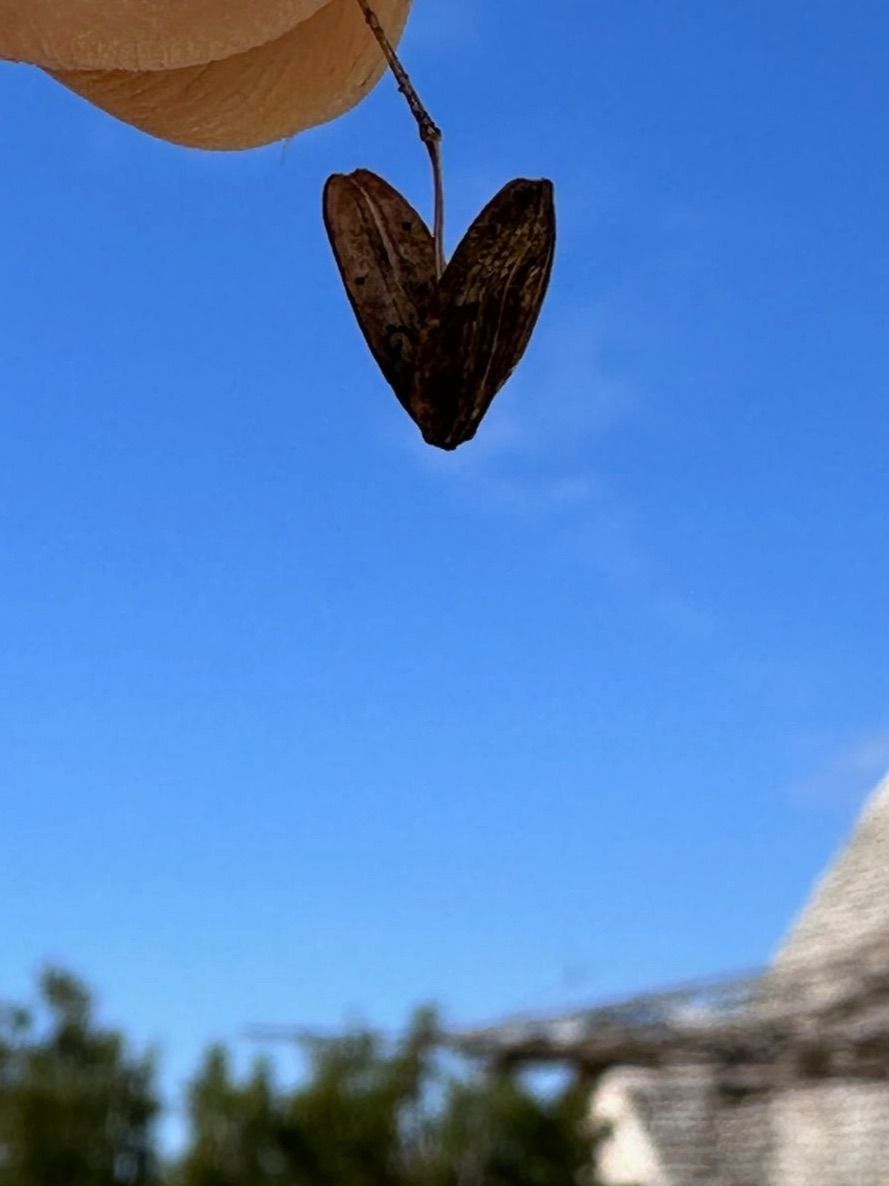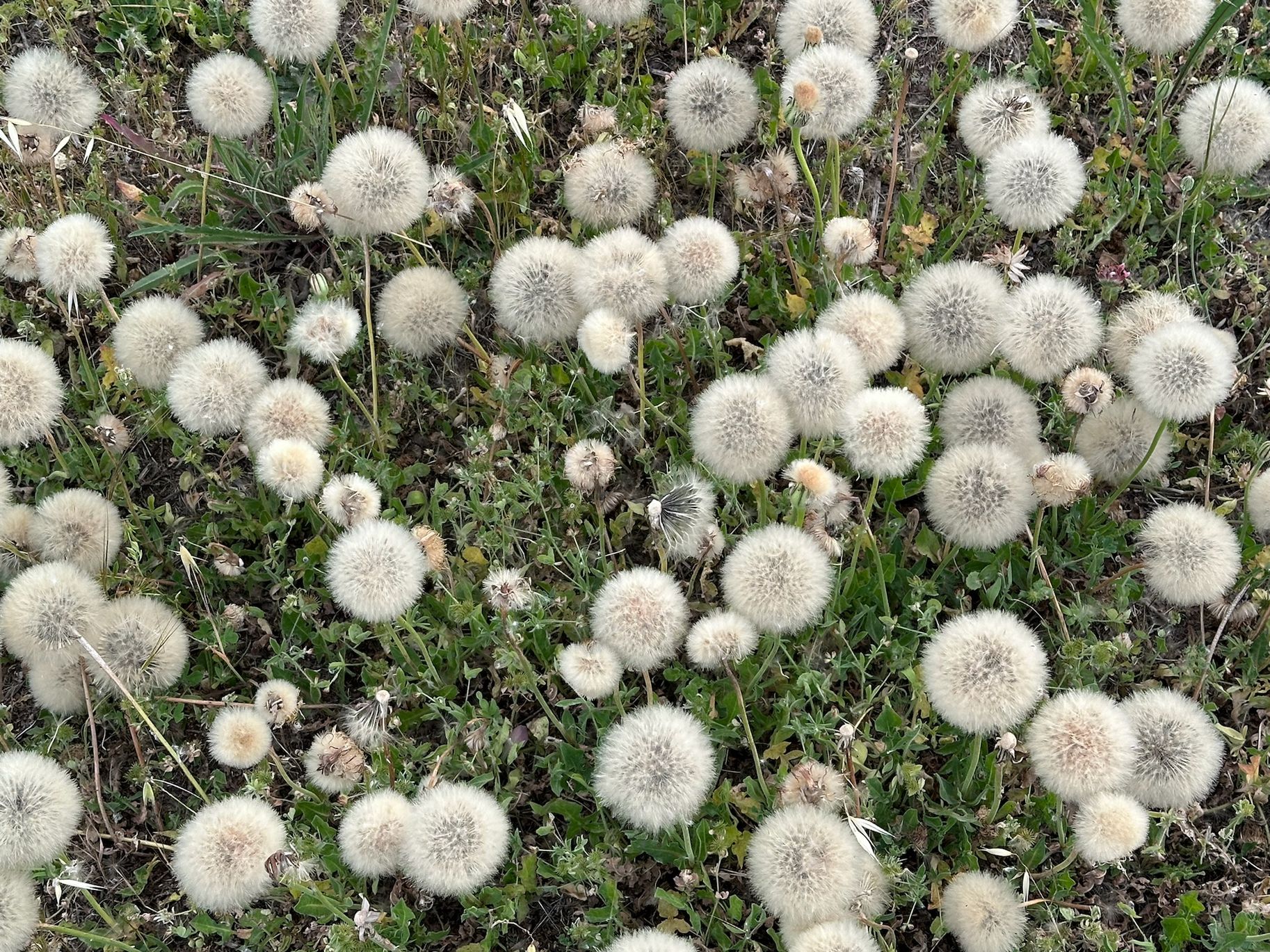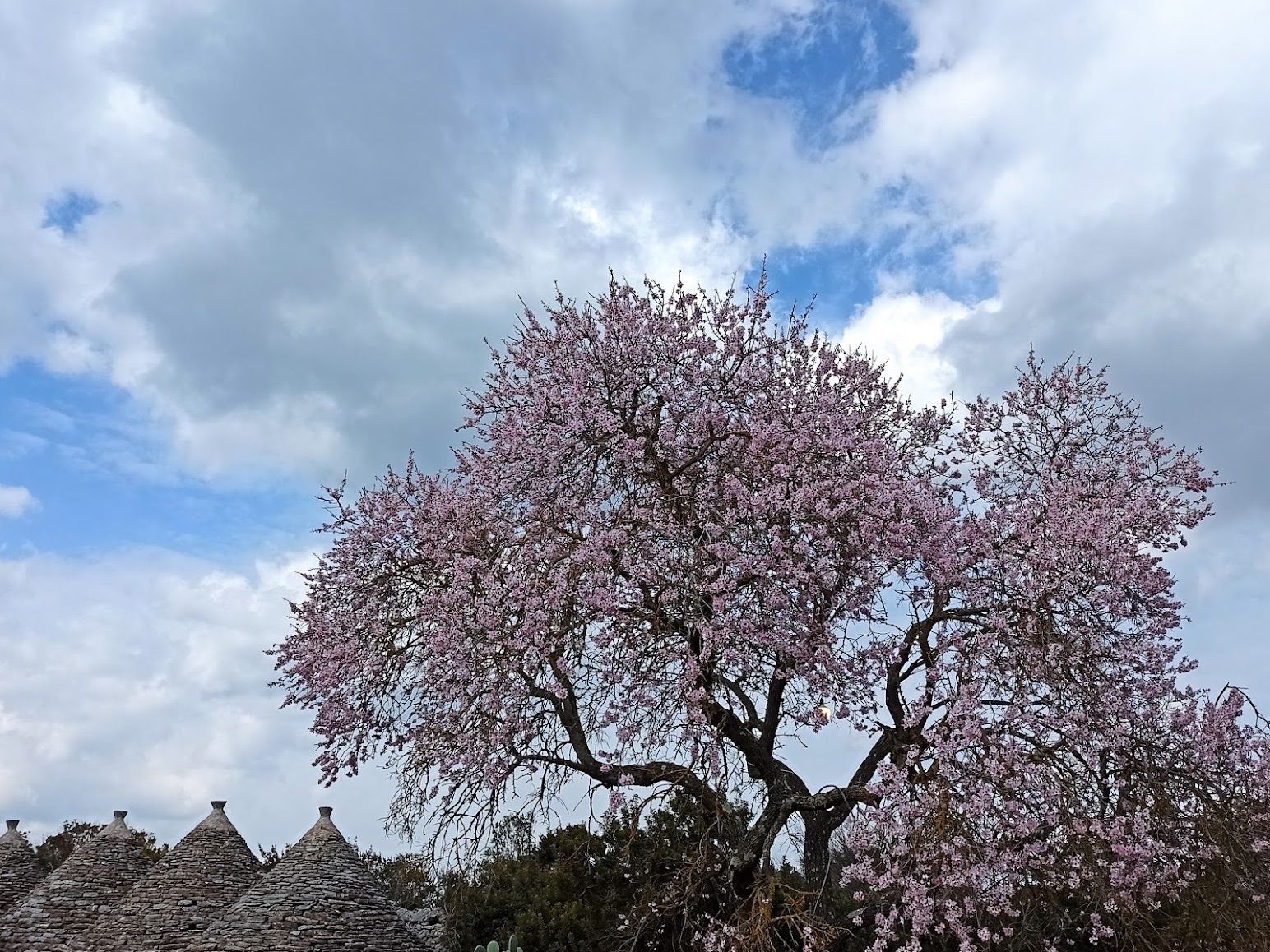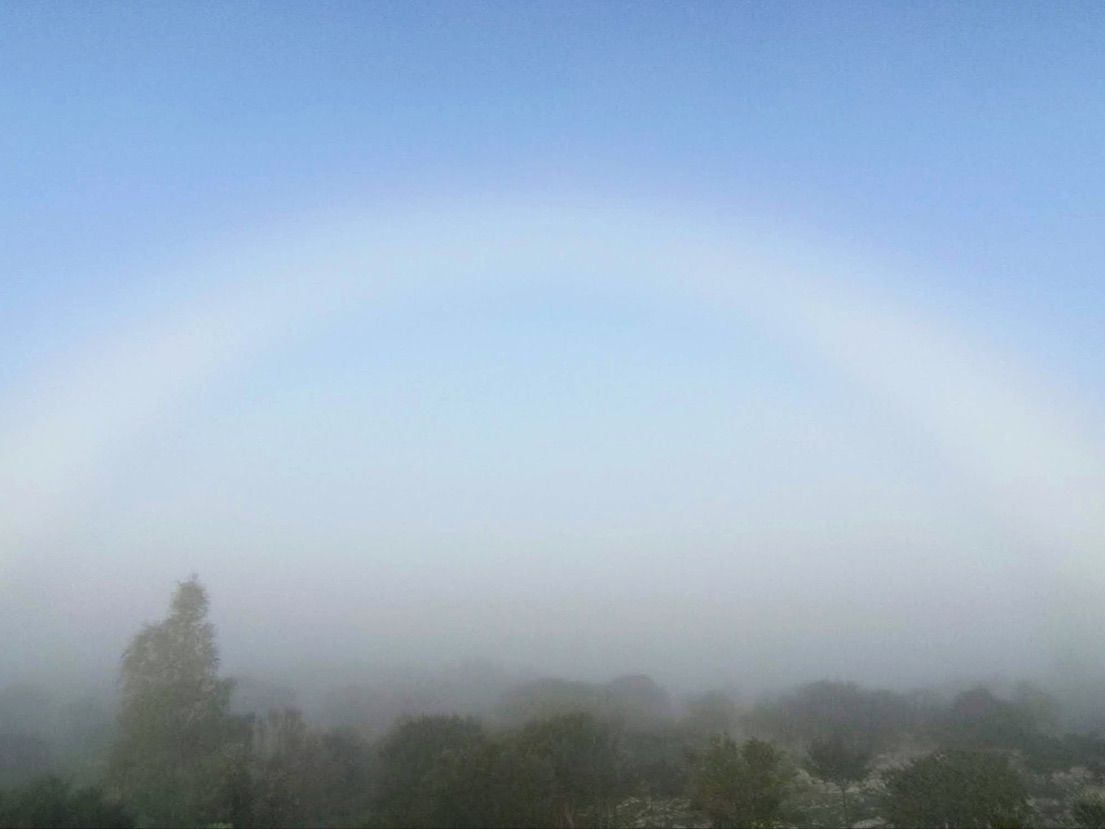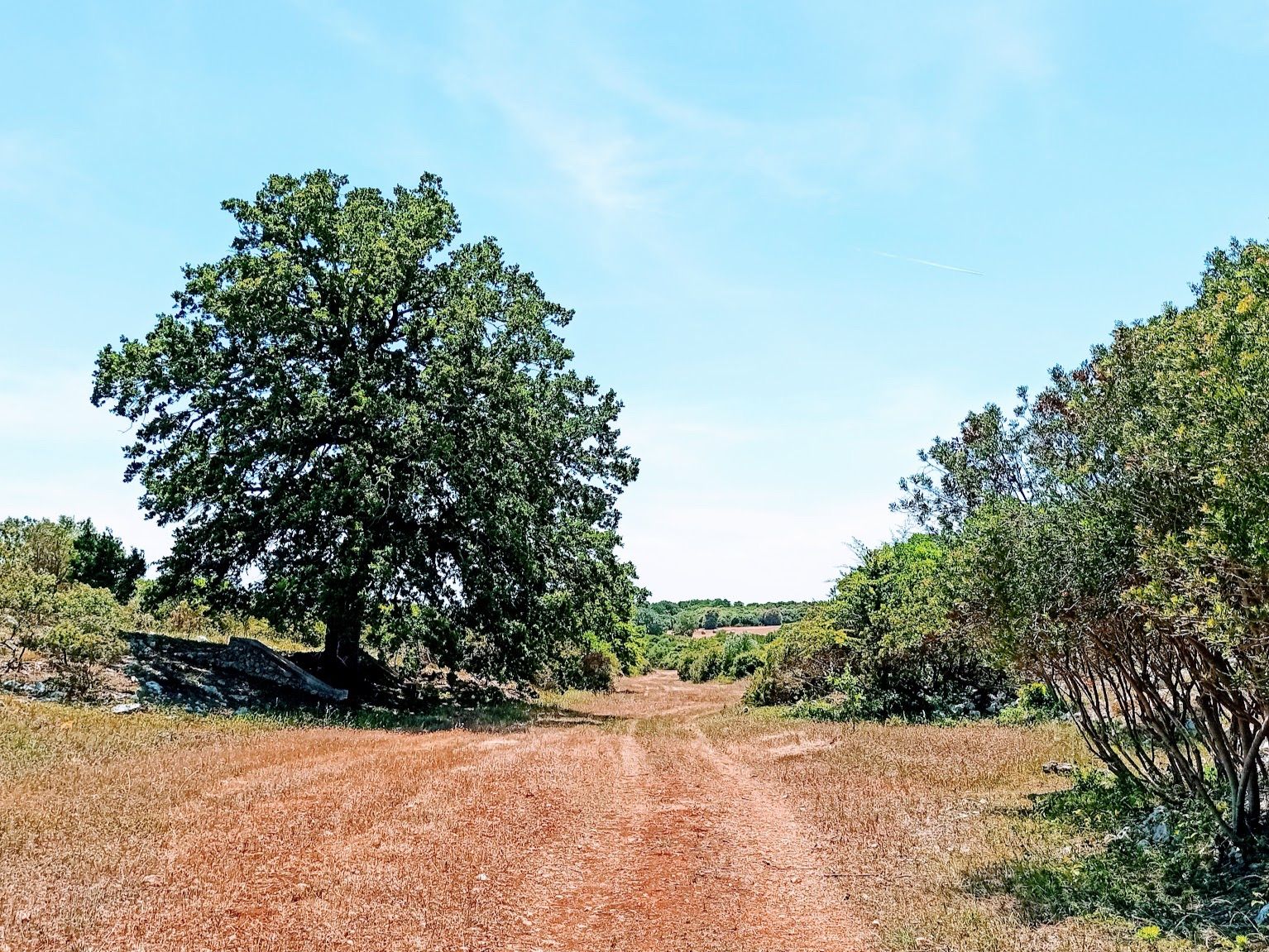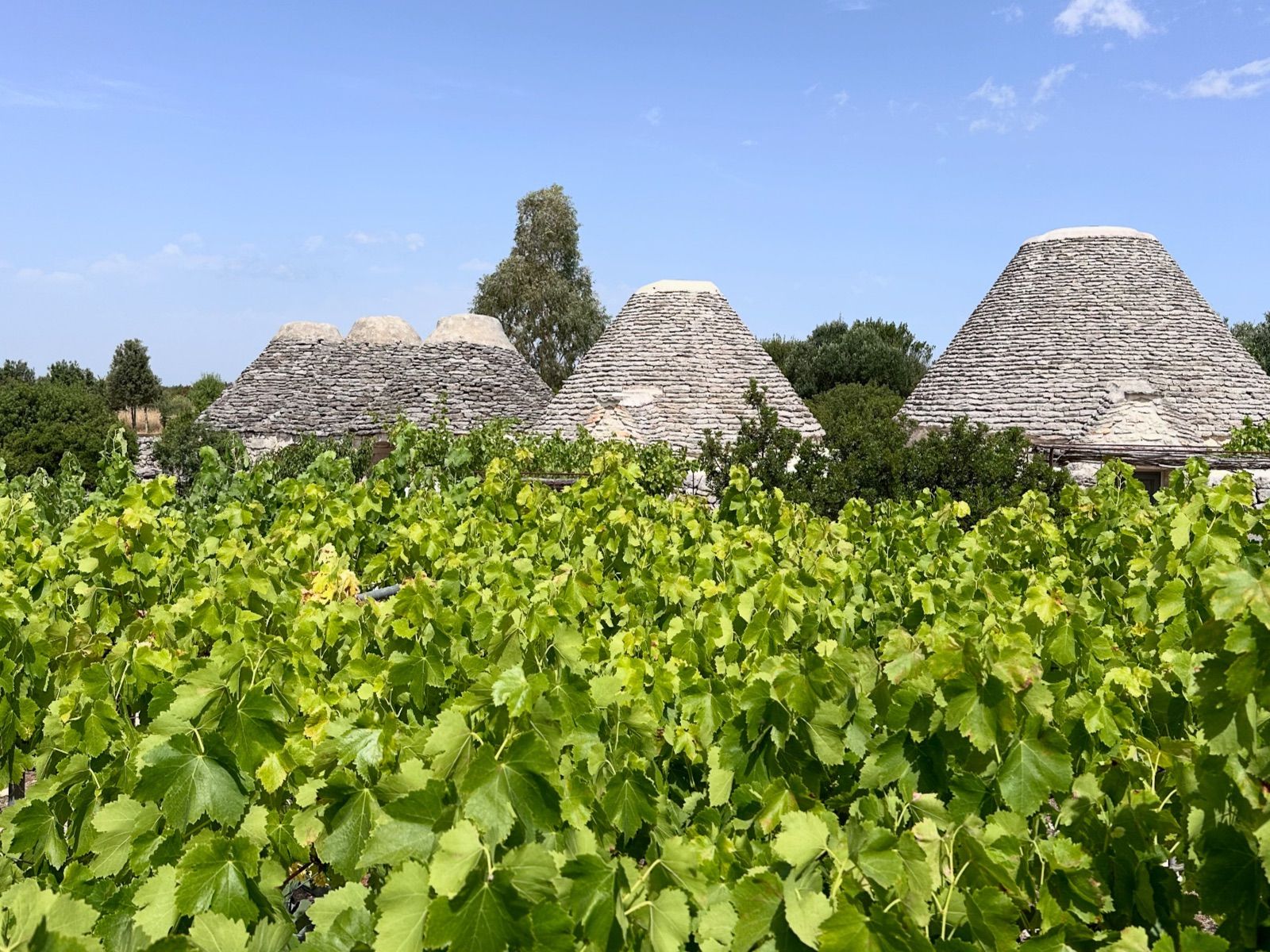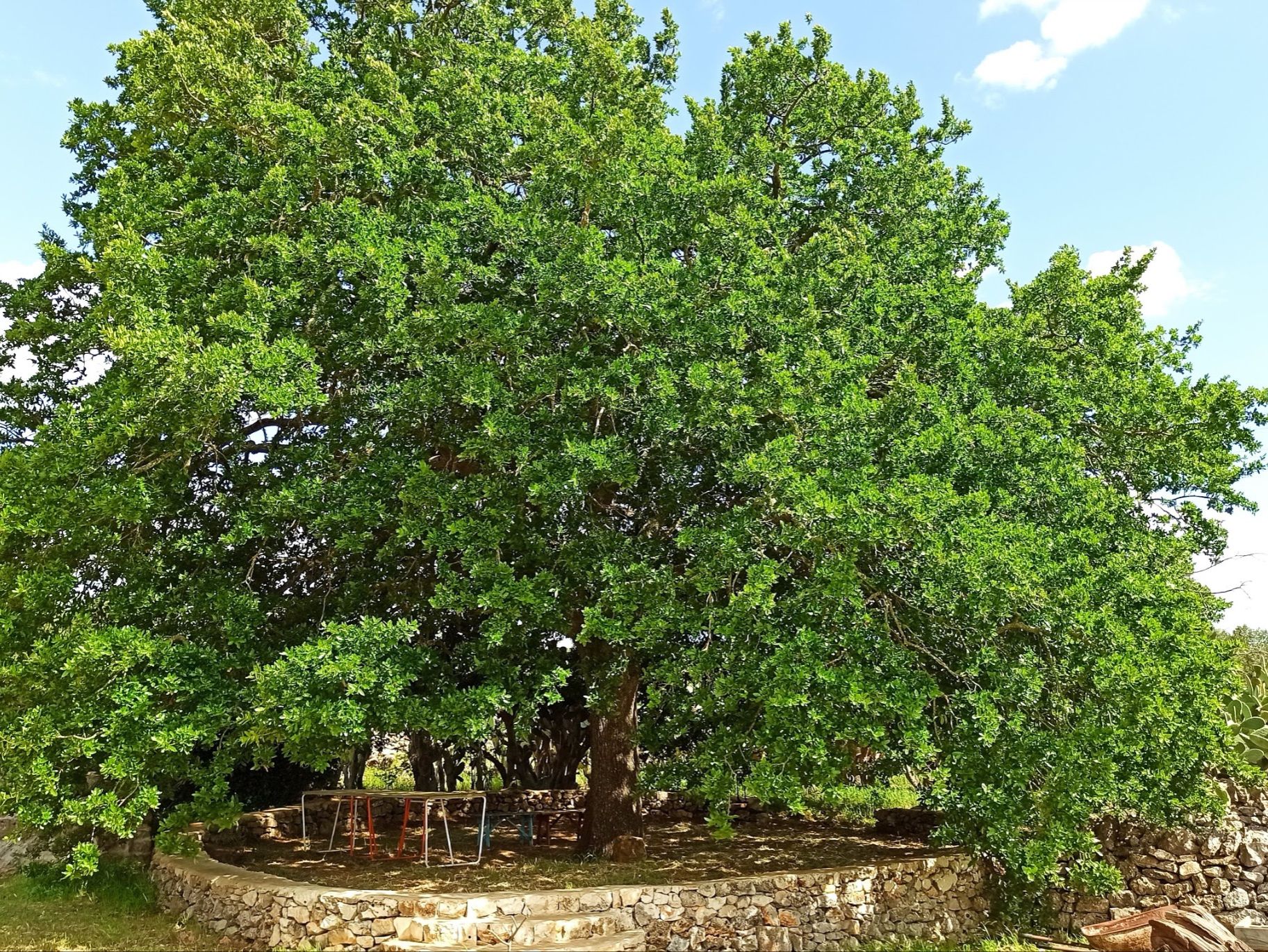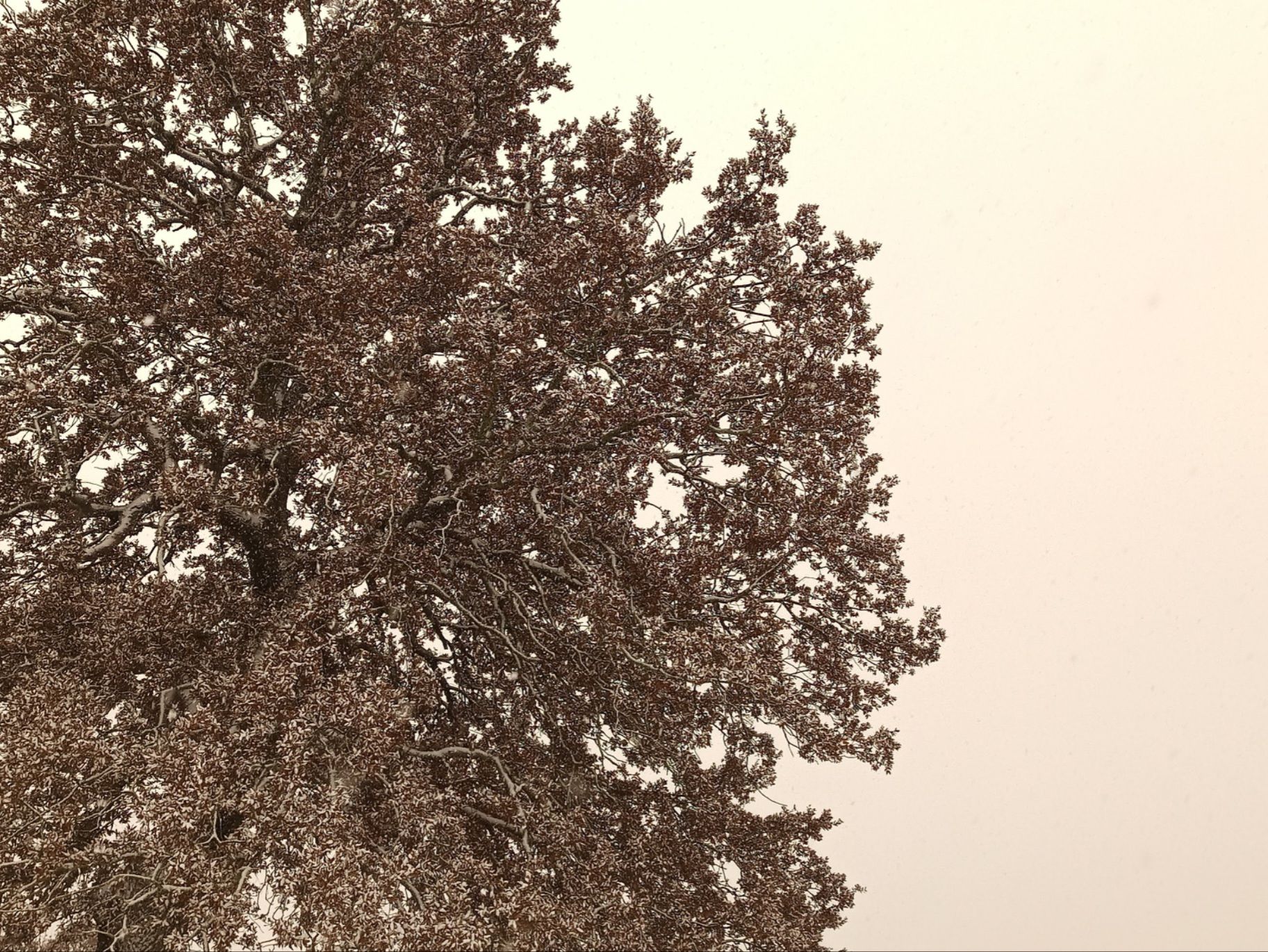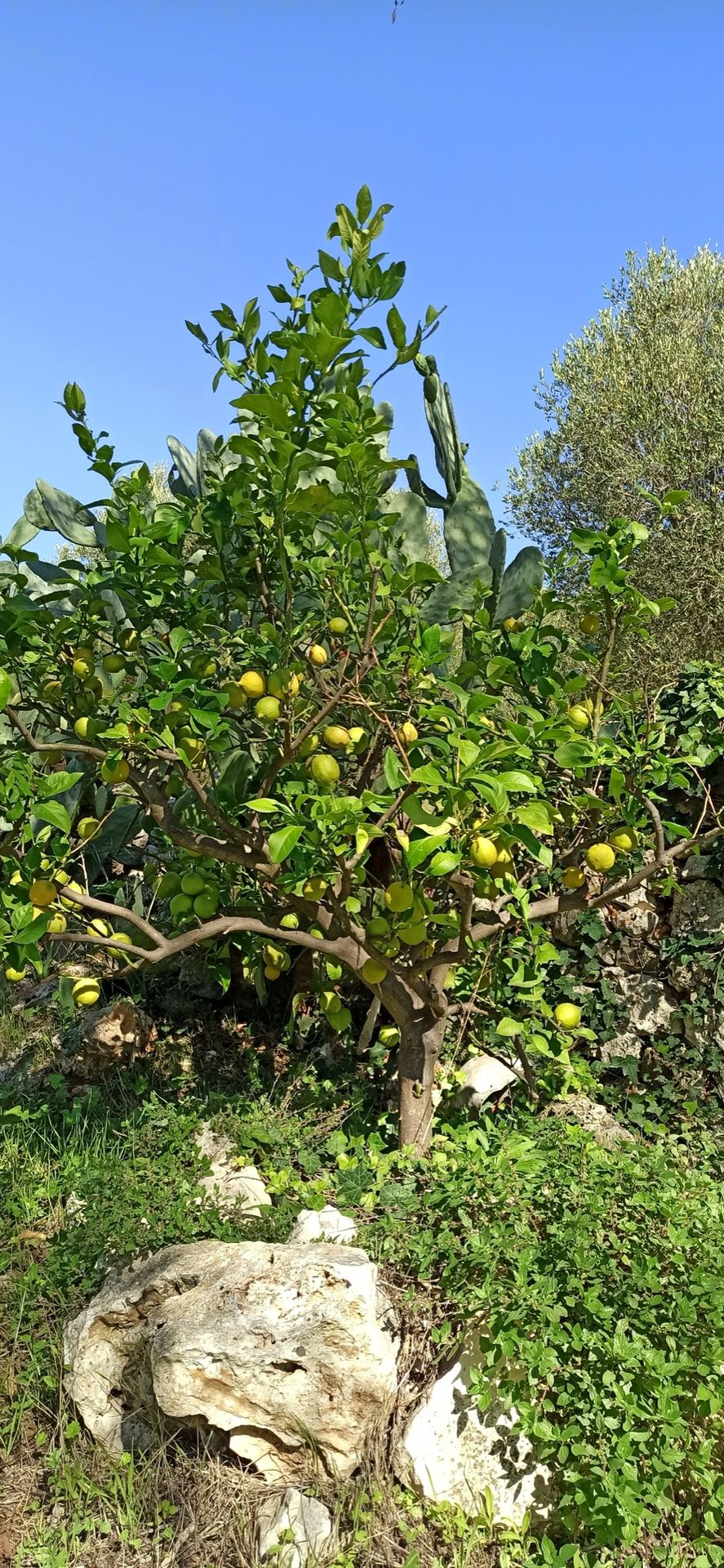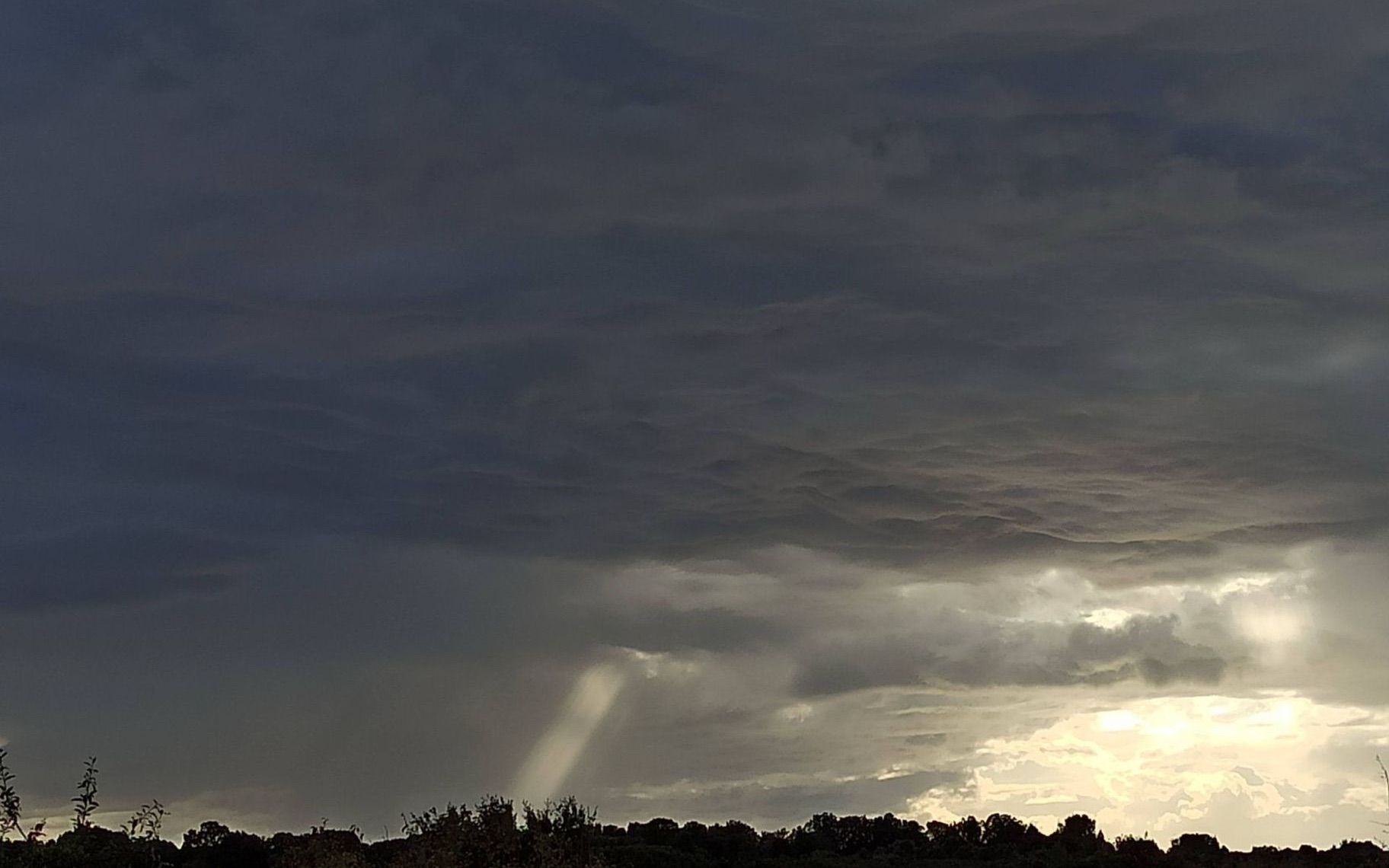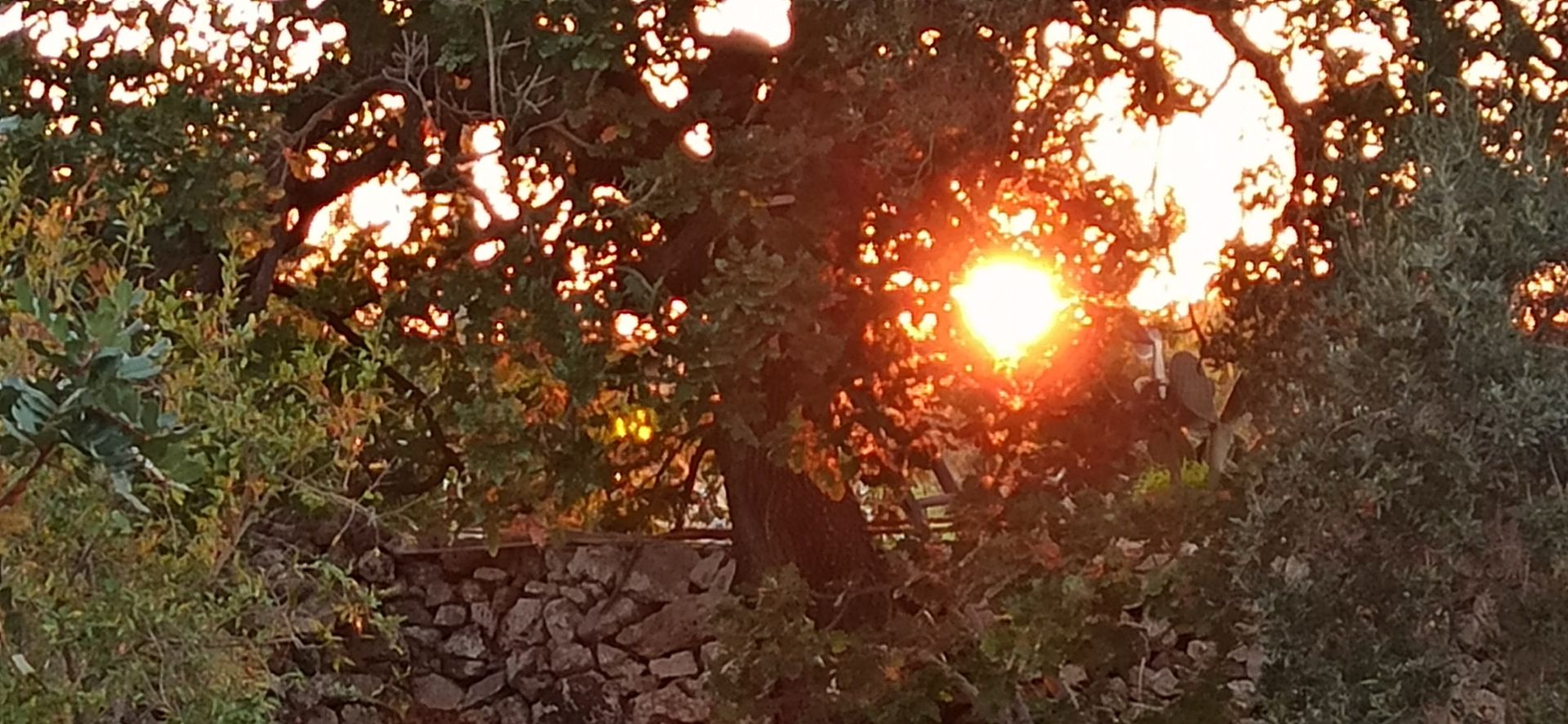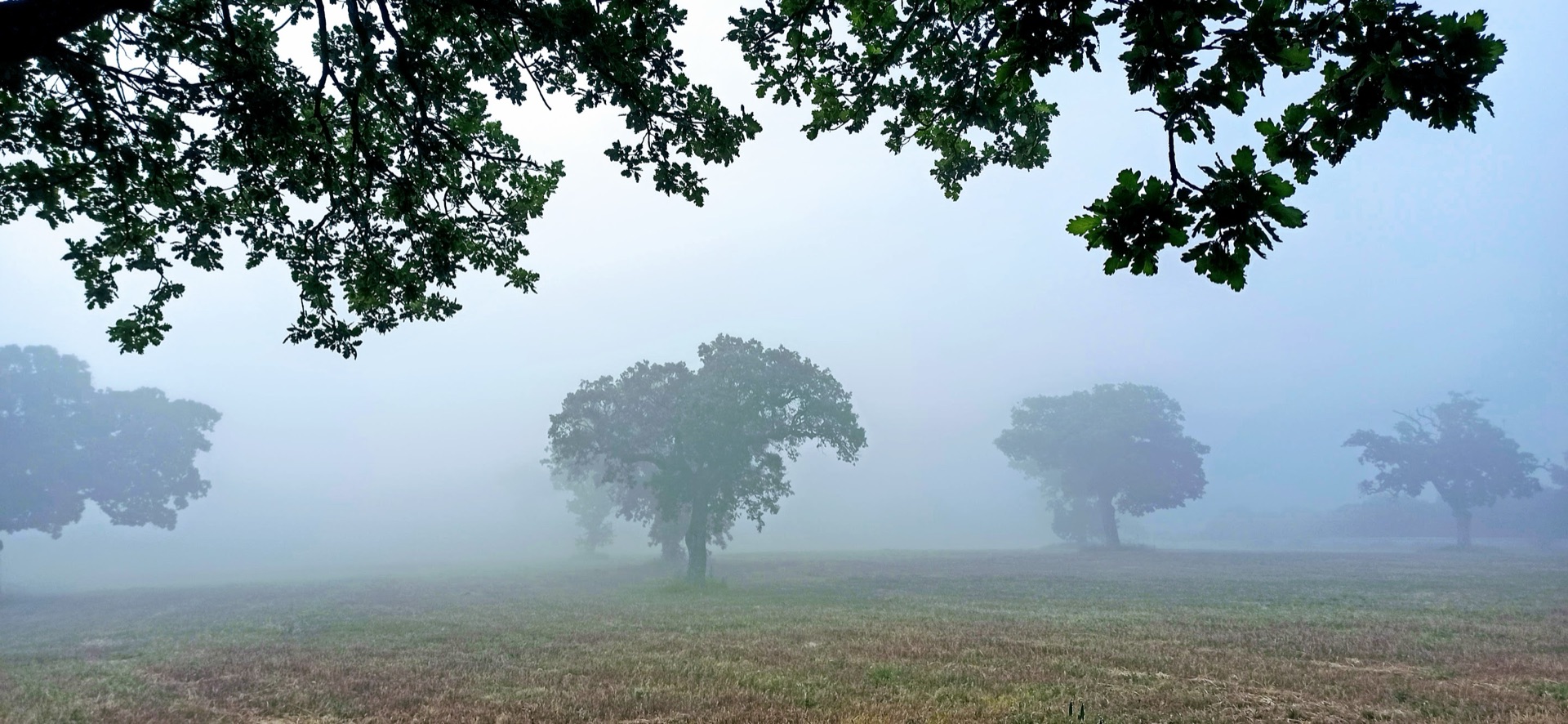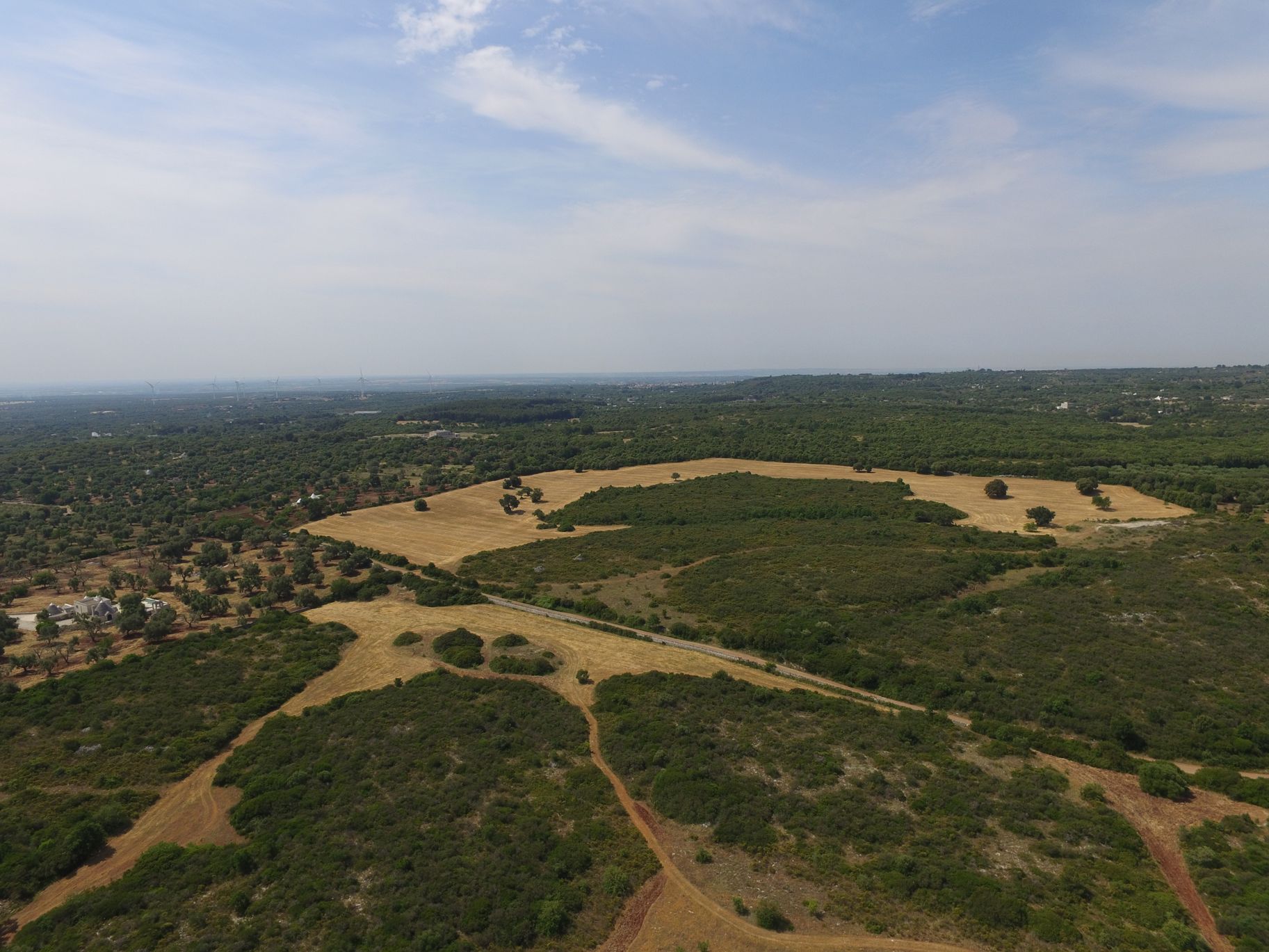
Twenty-four hectares of unspoilt nature. Olive trees, meadows, Mediterranean scrub. Nature in its own spontaneous becoming. No timetable, no signposts: you go where your eyes lead you, surrounded by endless shades of green.
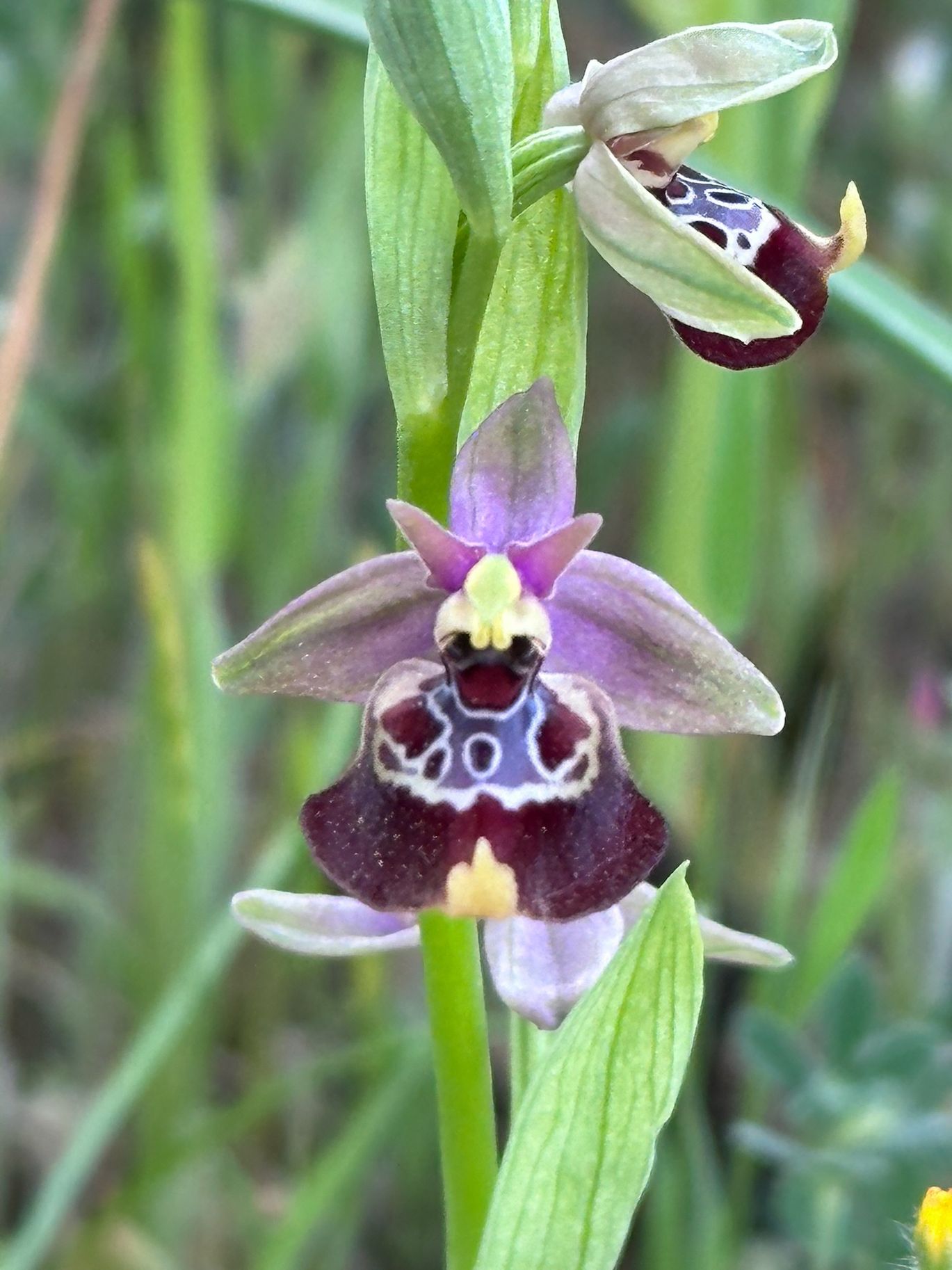
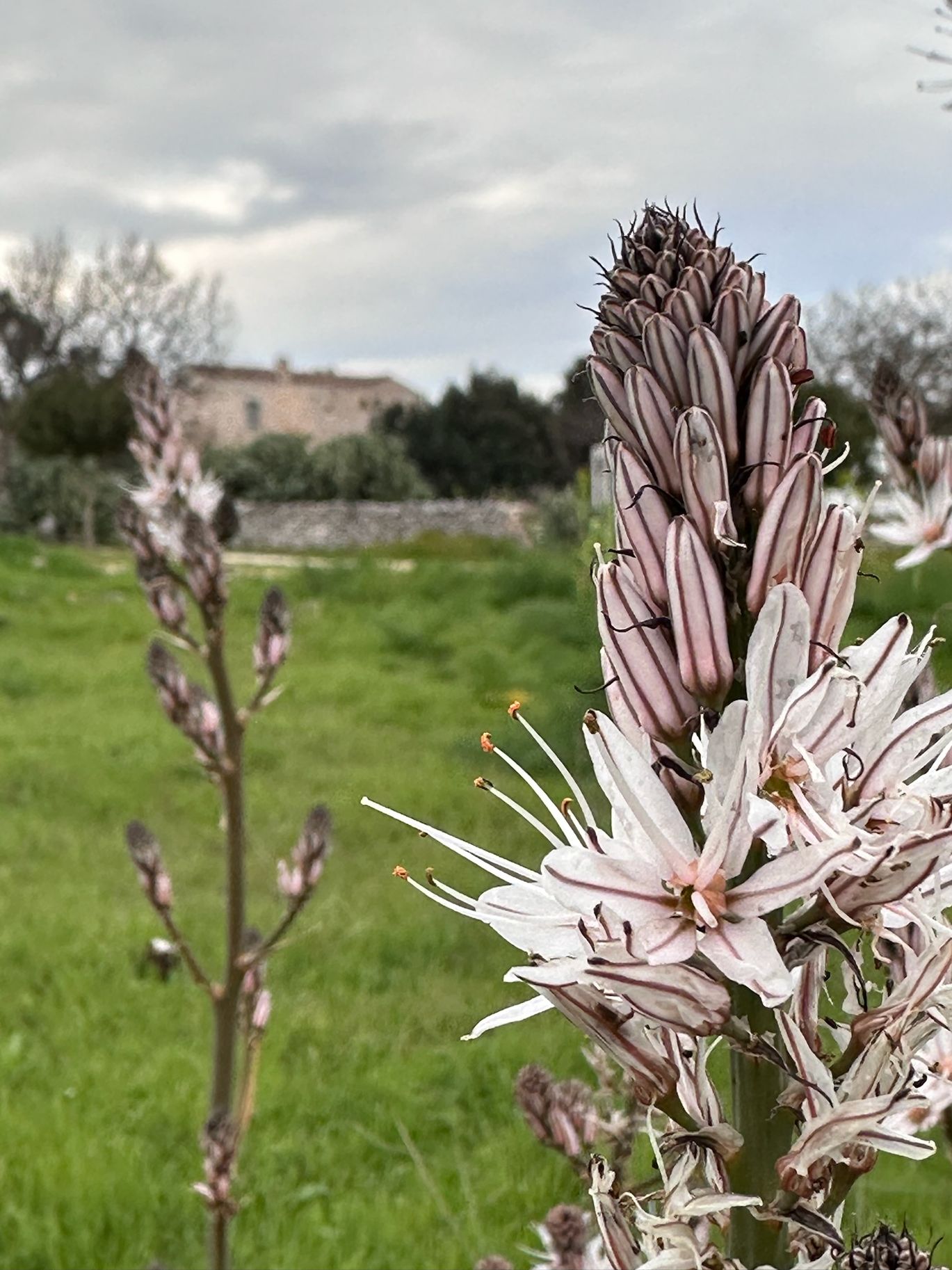
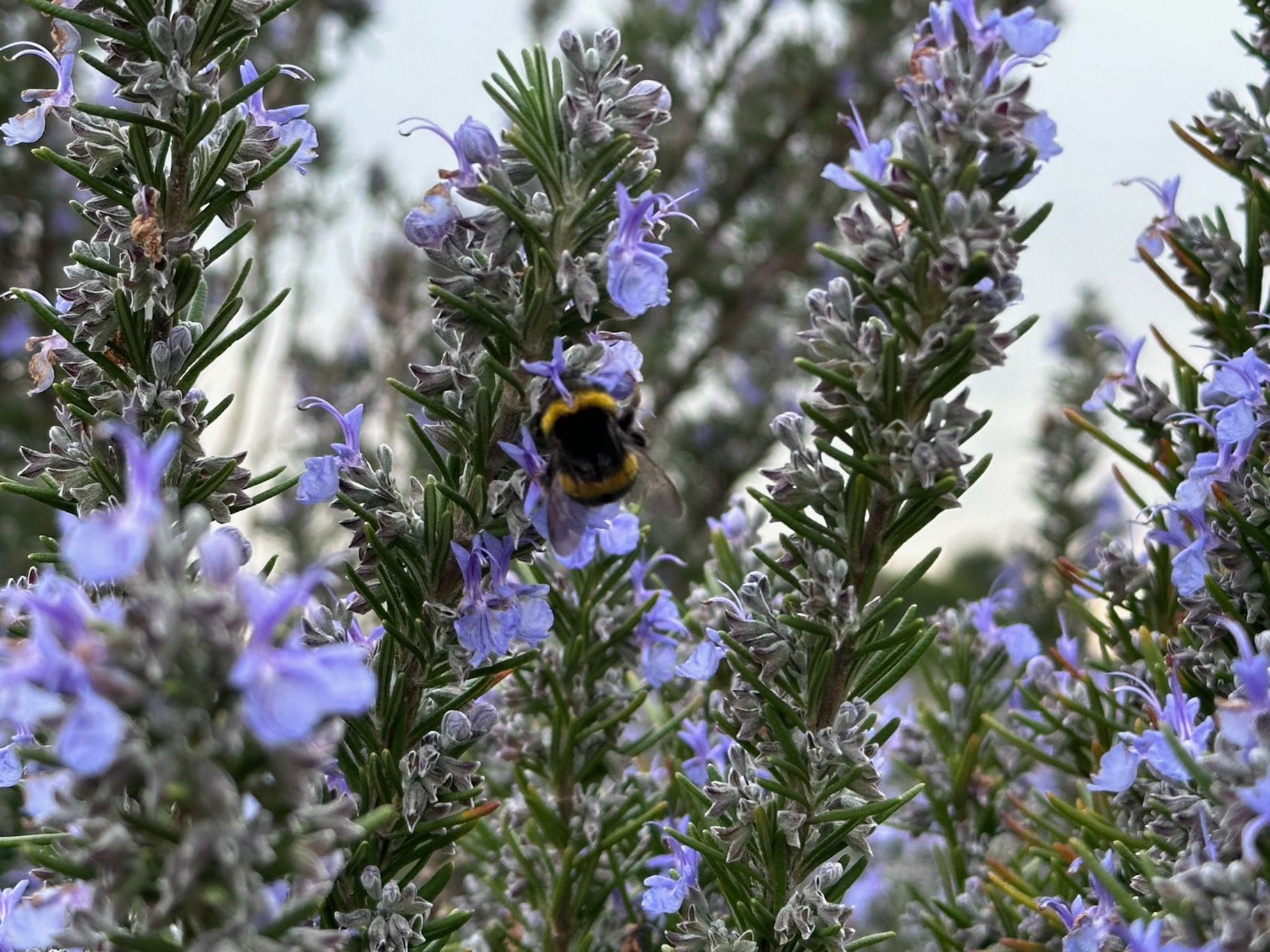
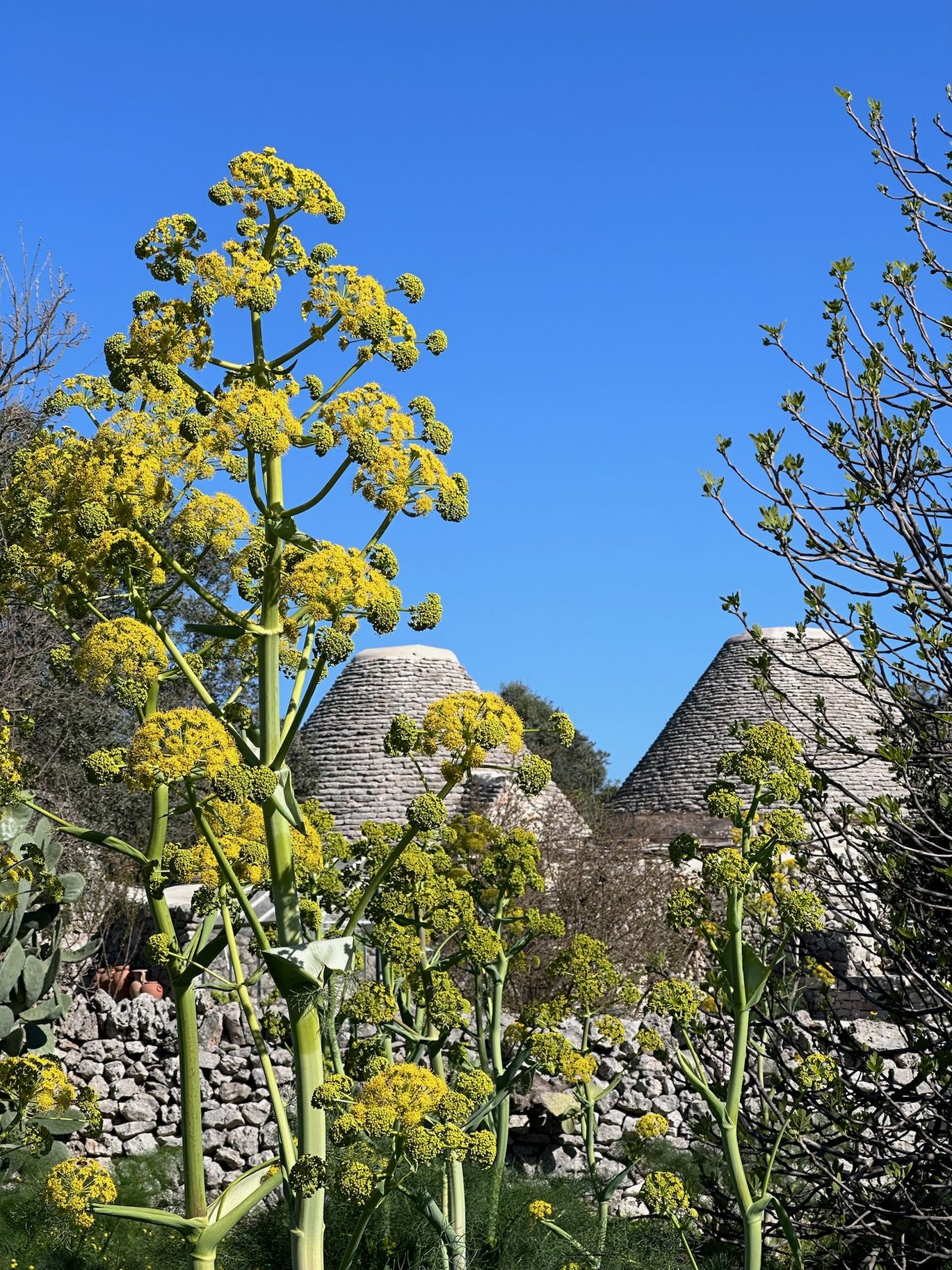
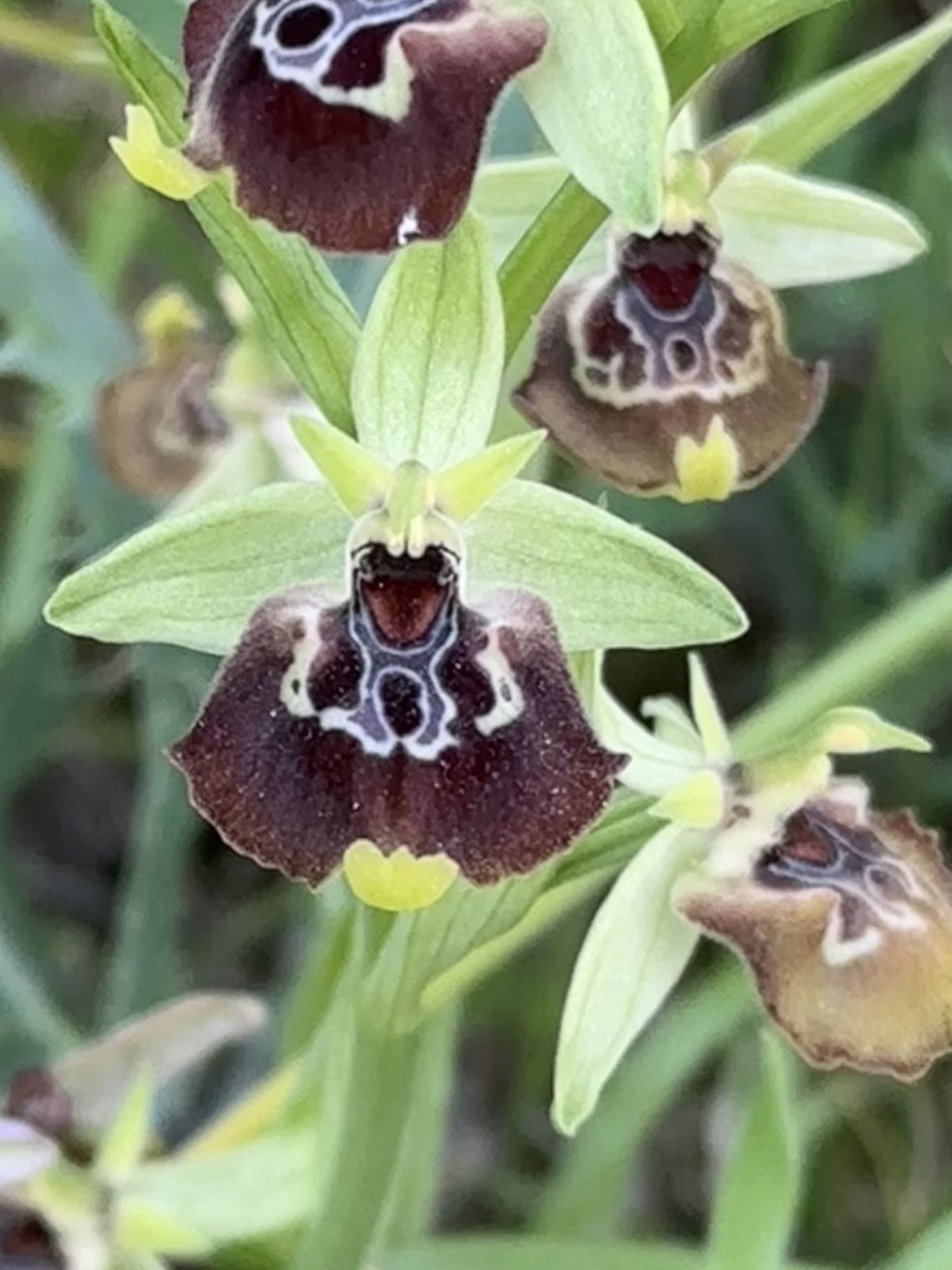
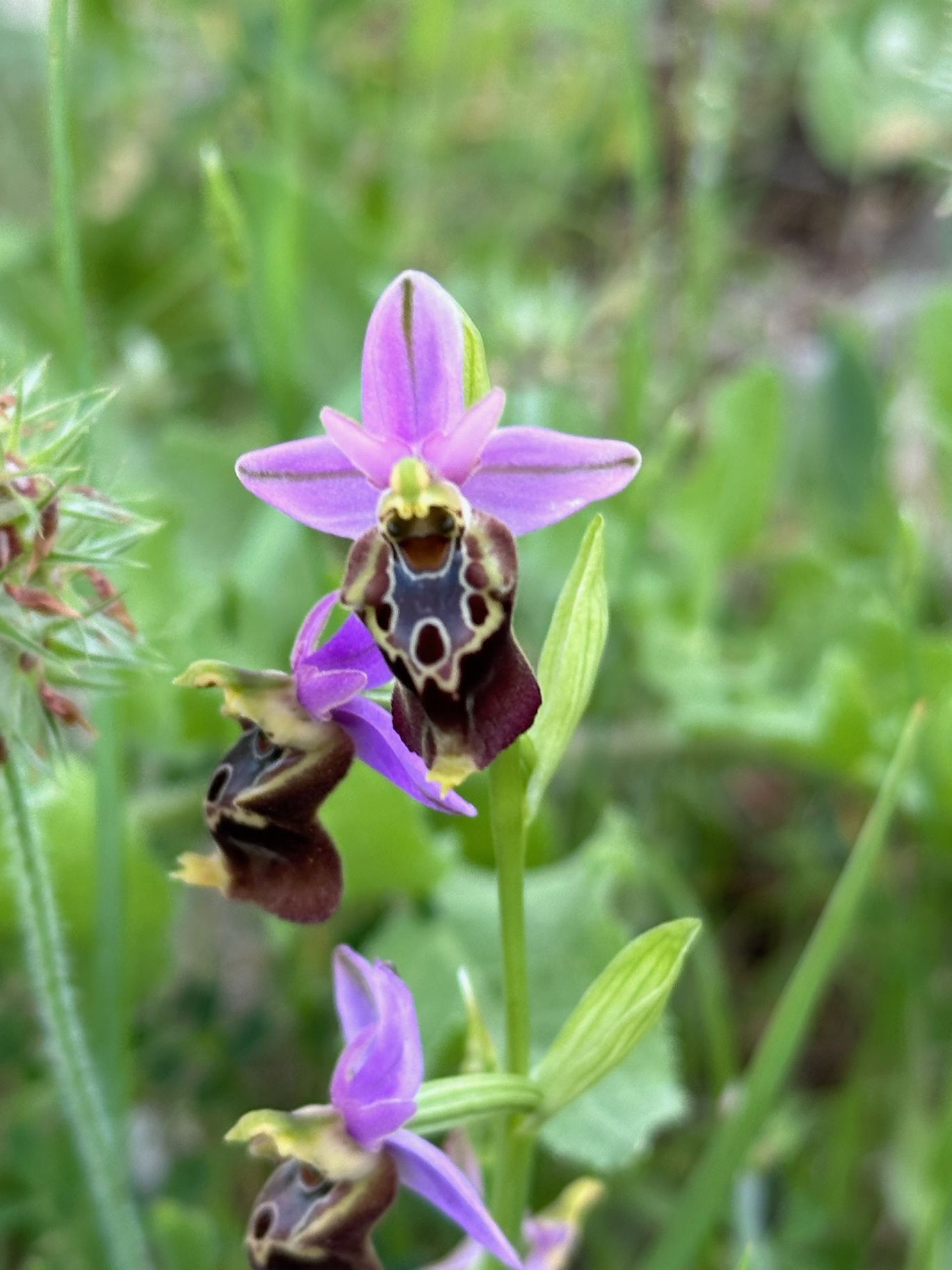
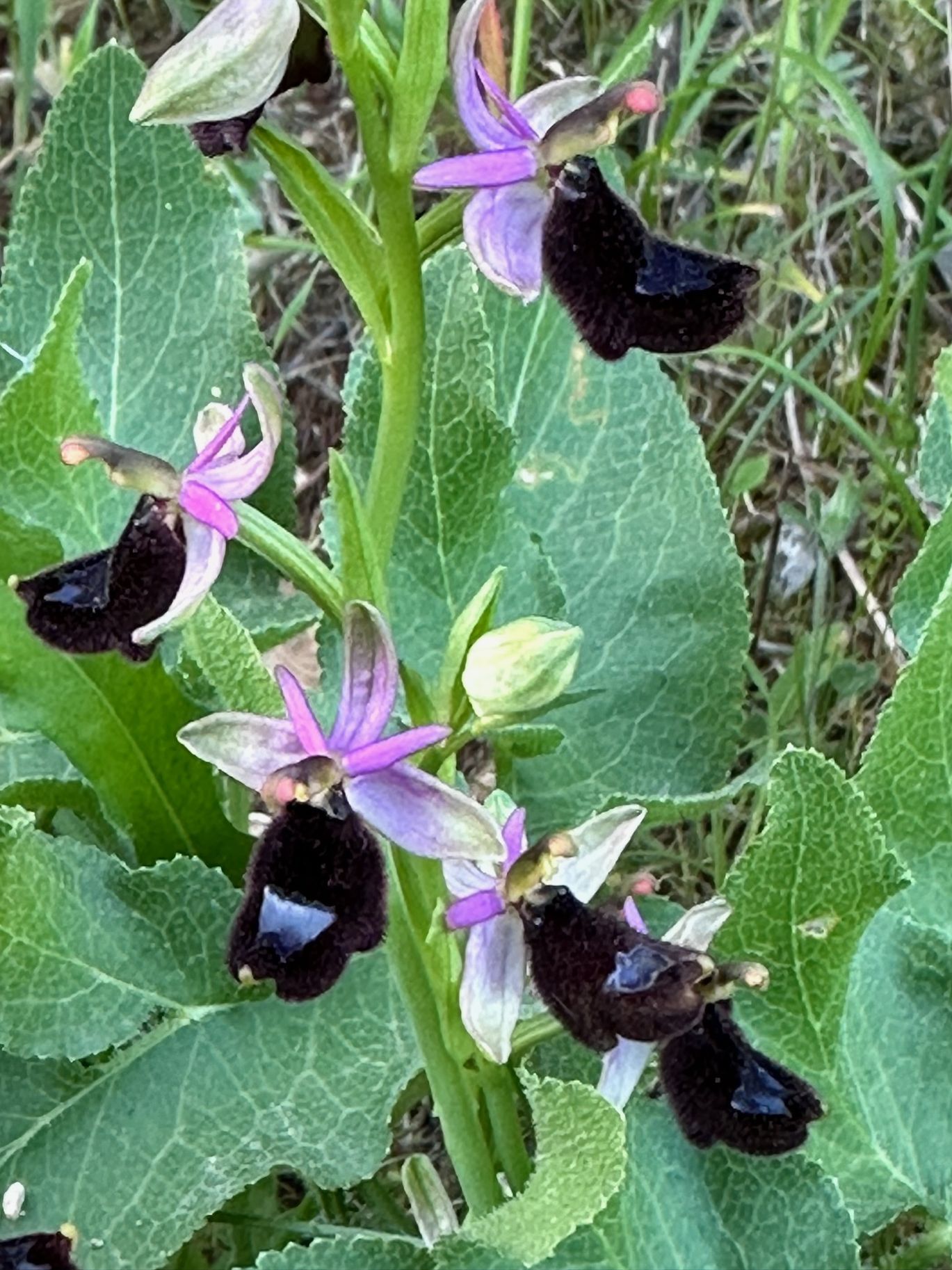
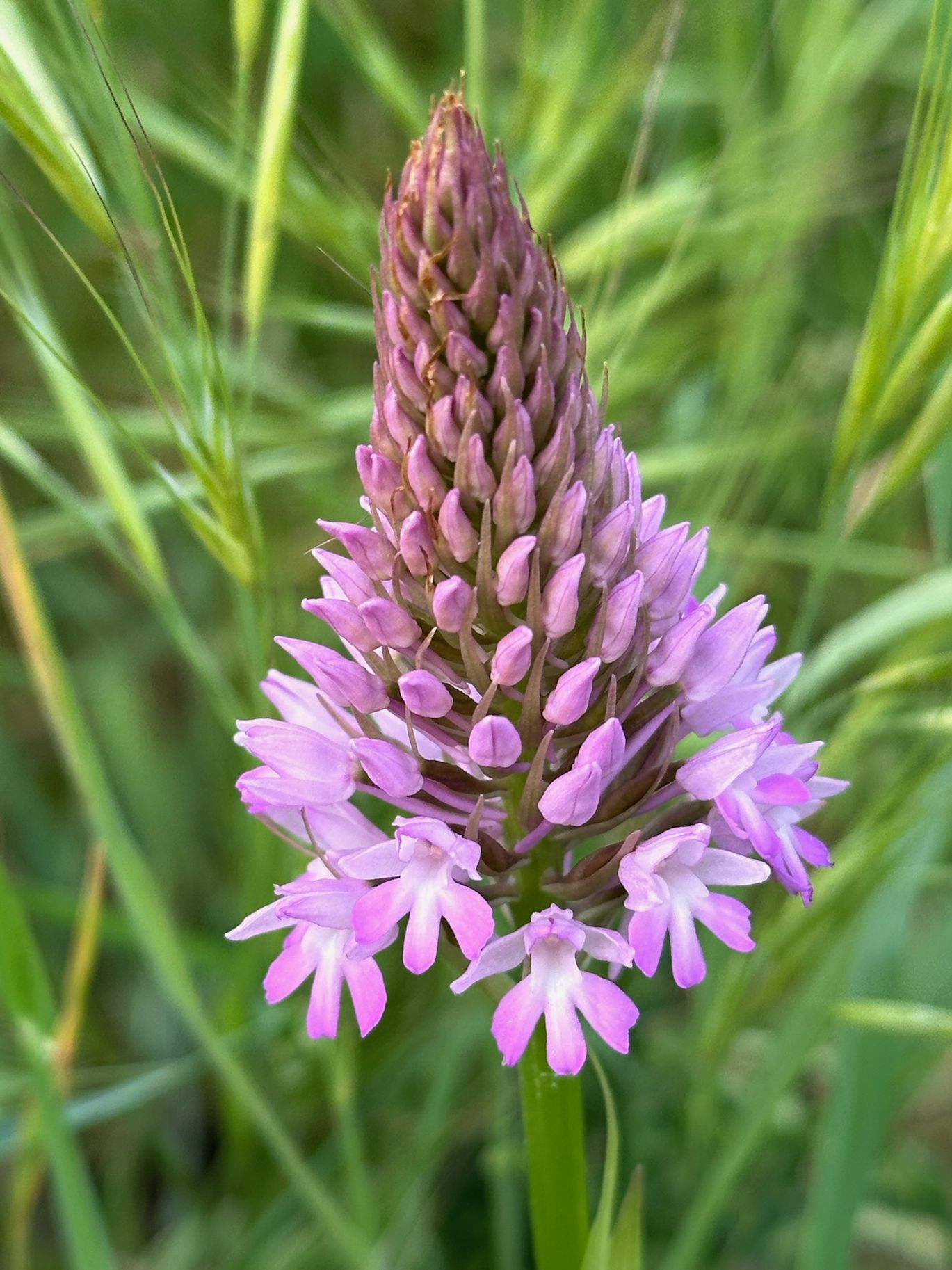
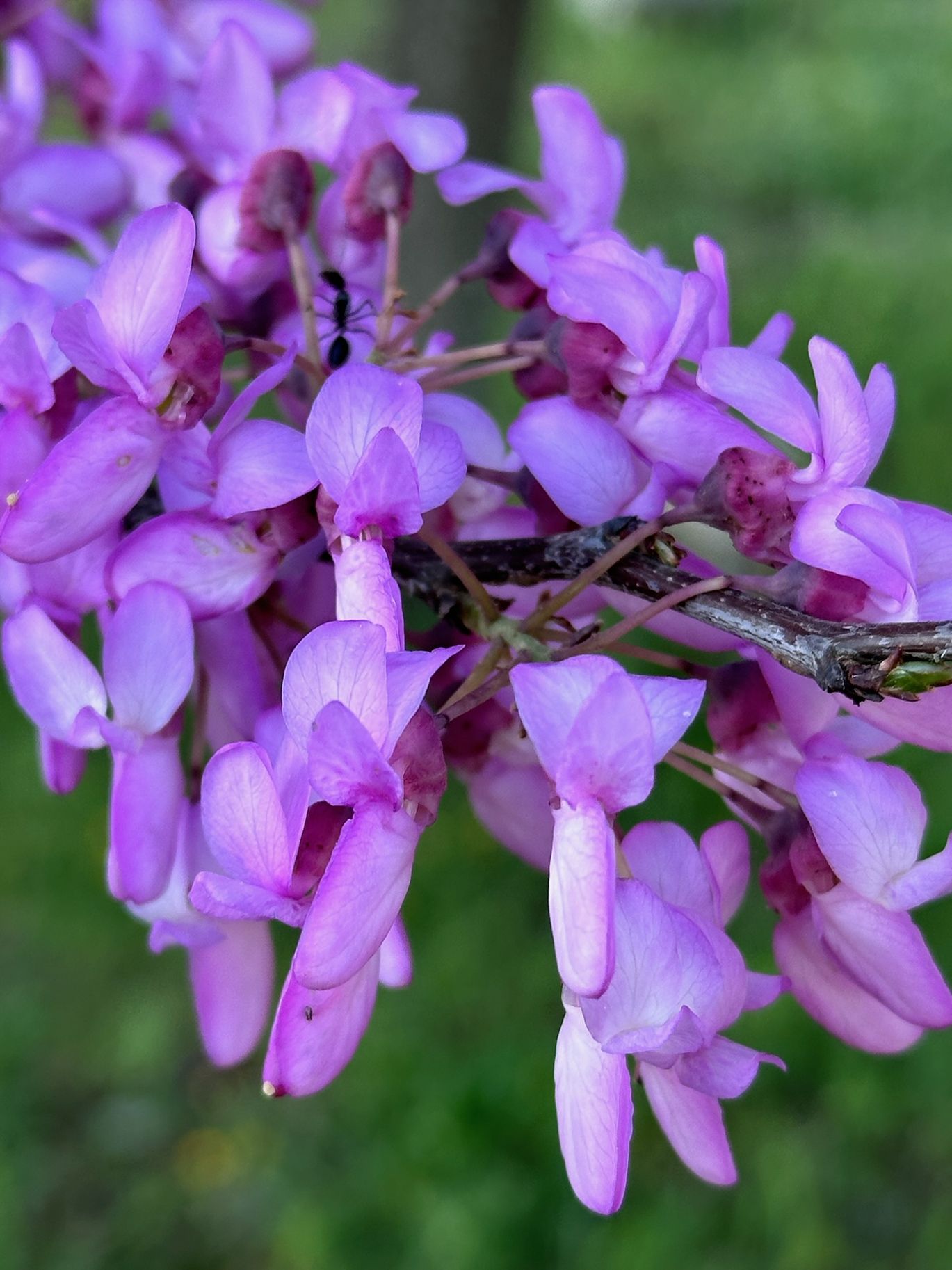
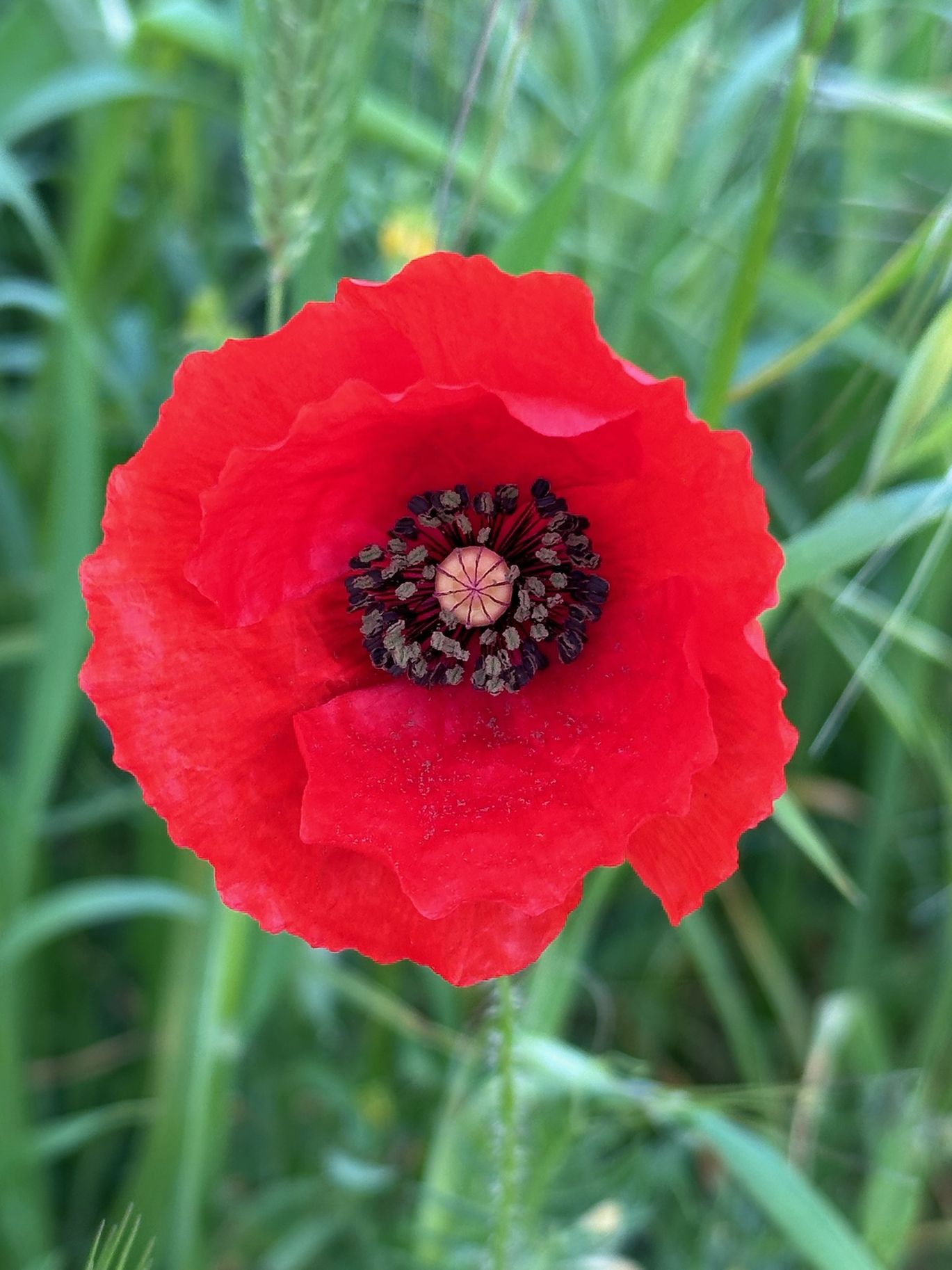
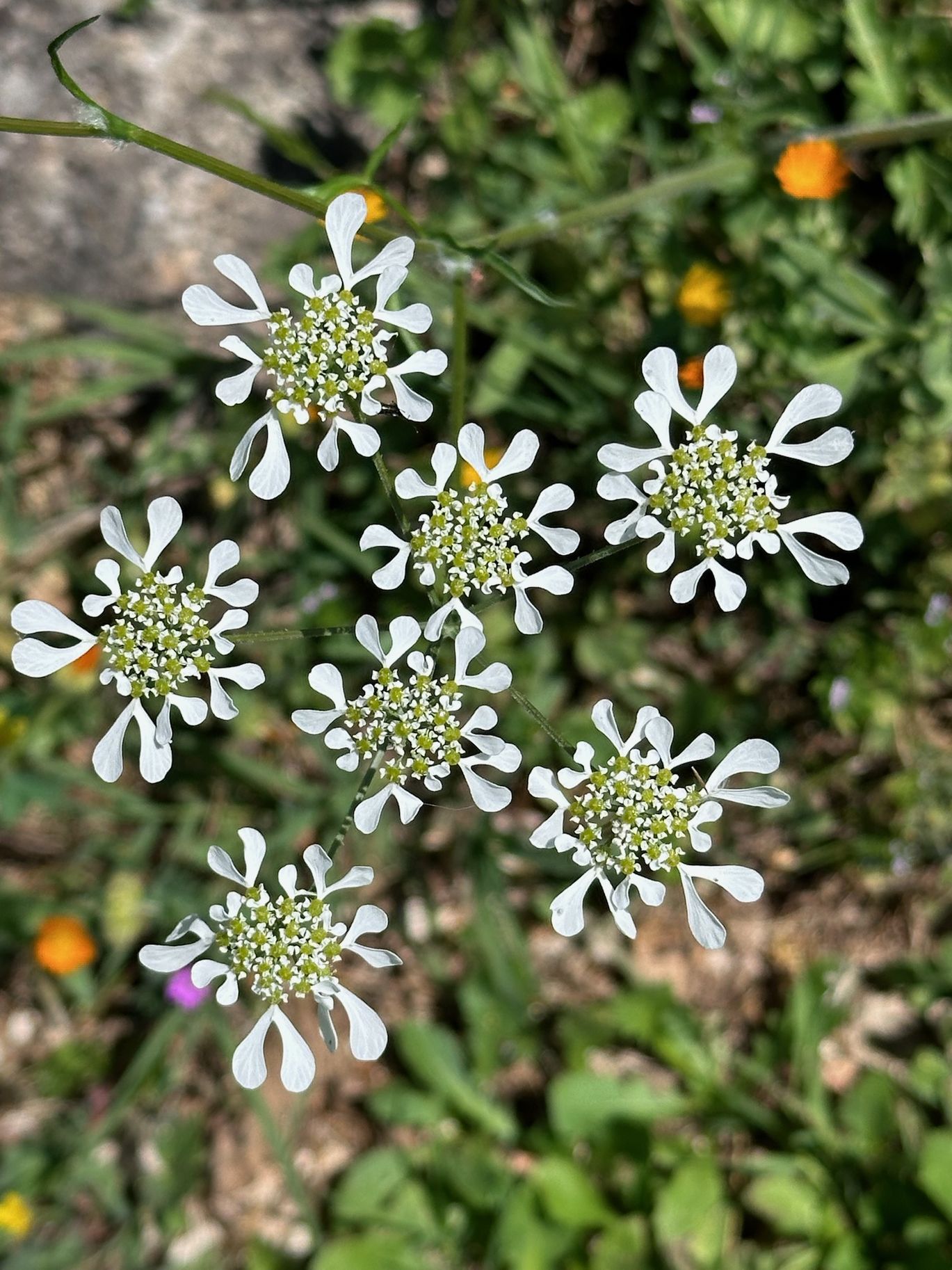
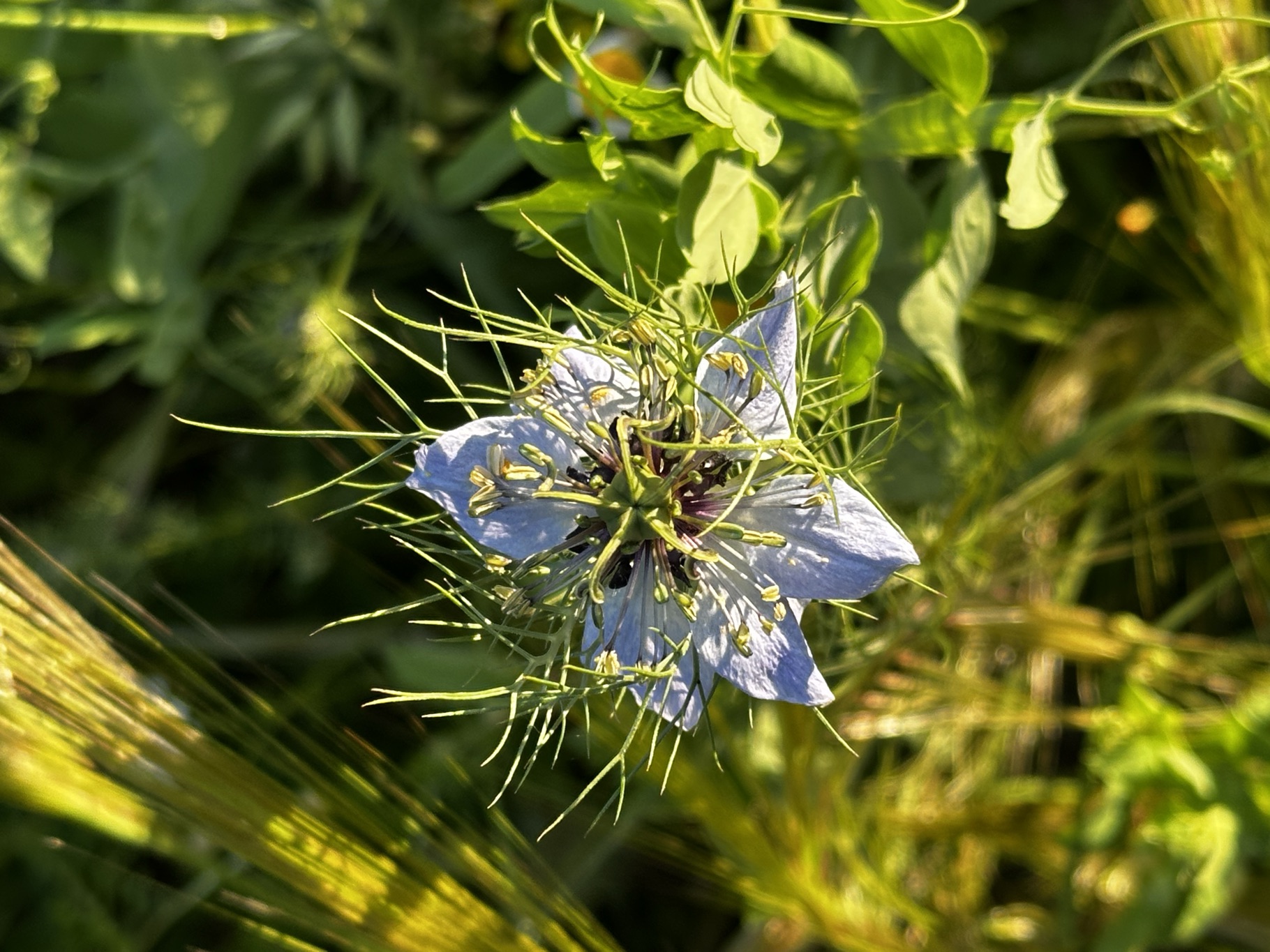
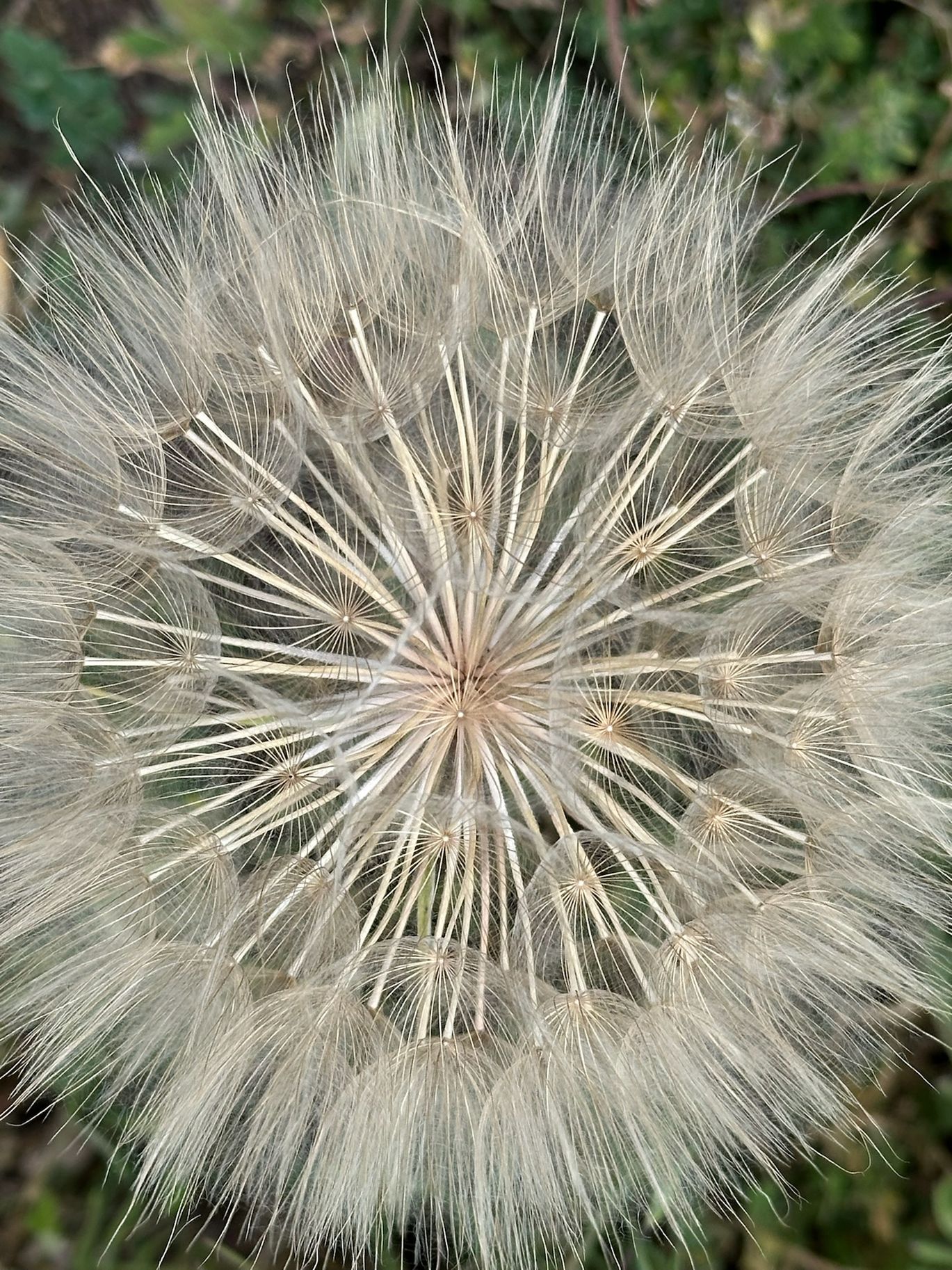
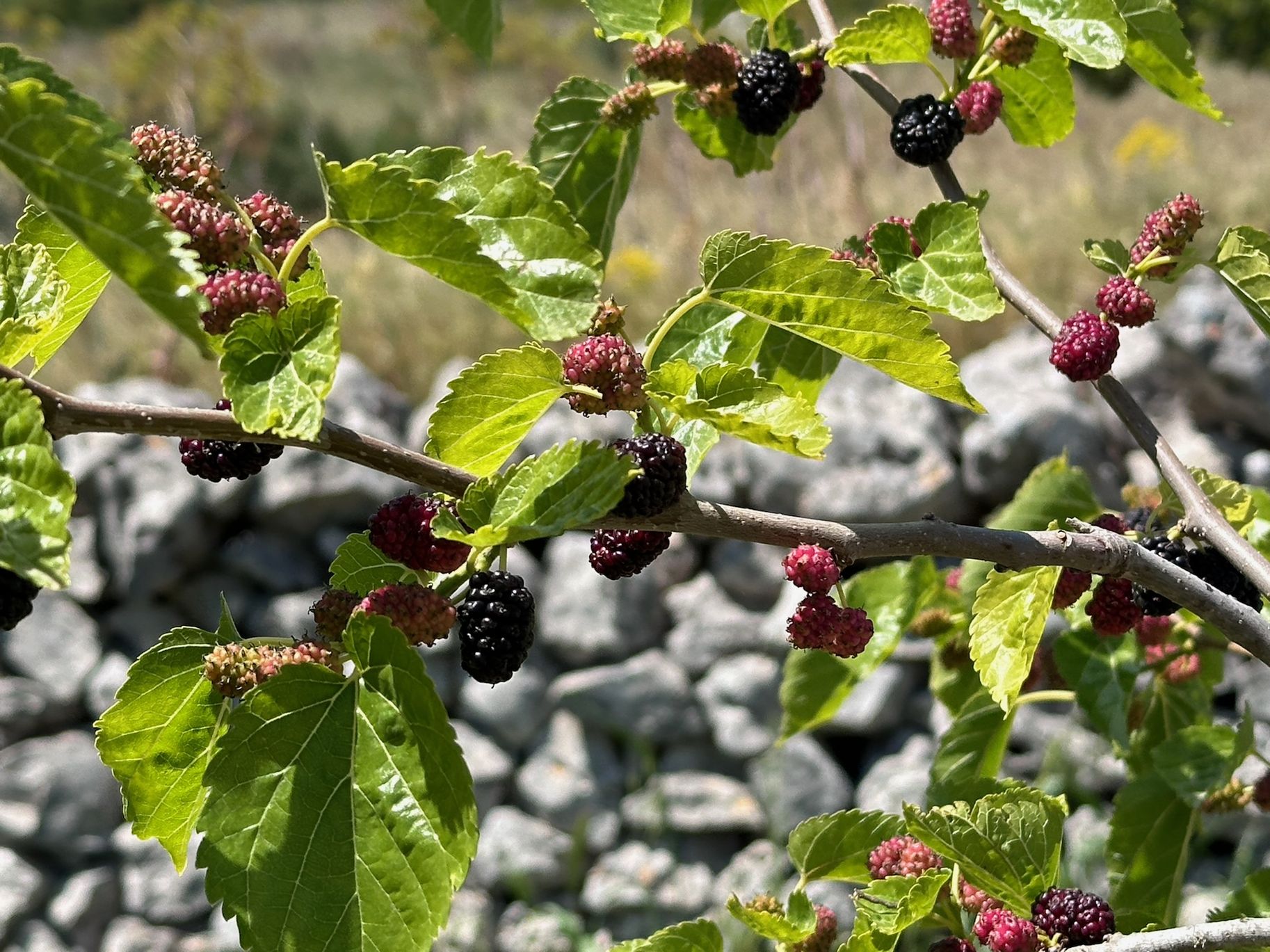
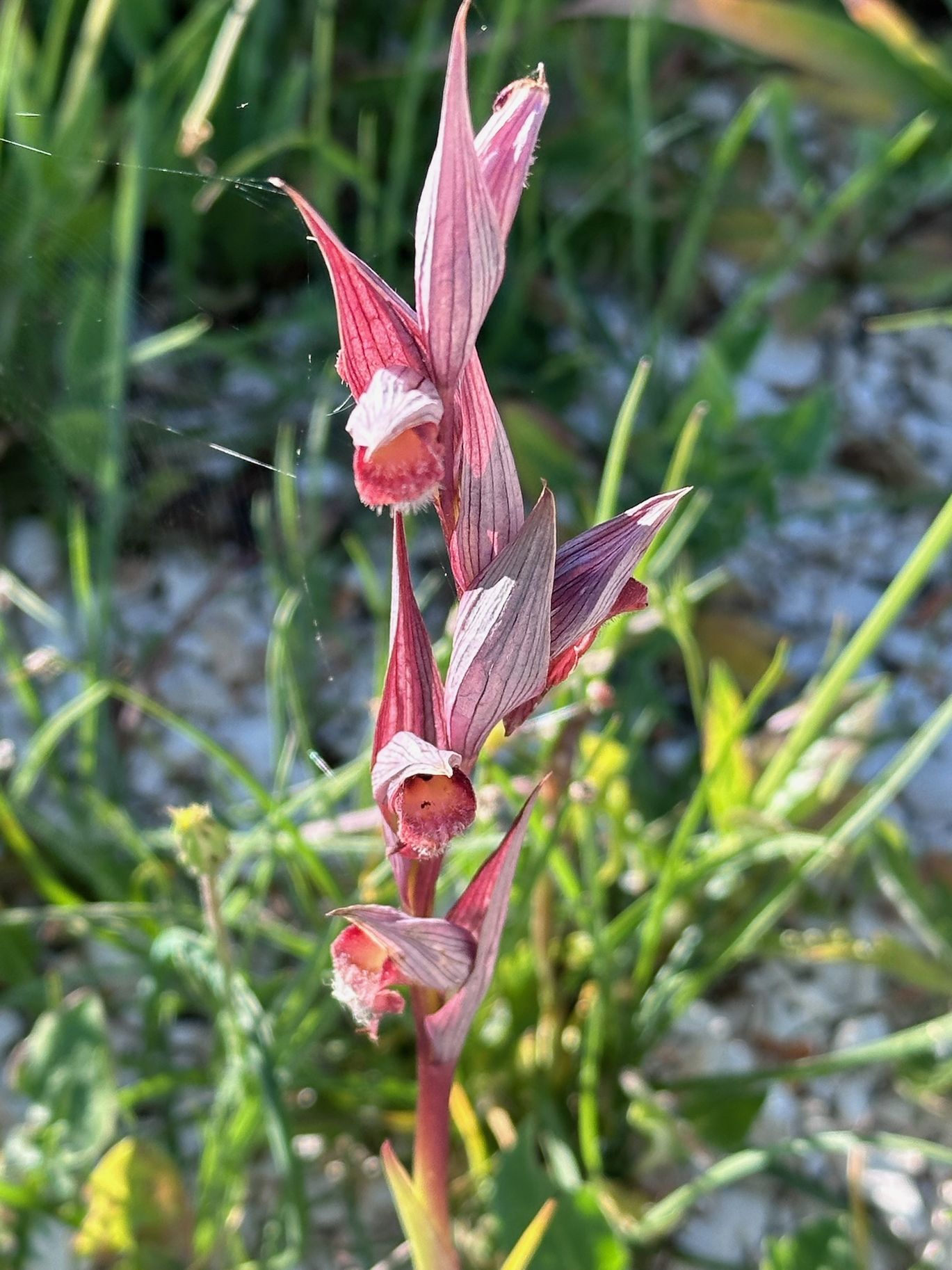
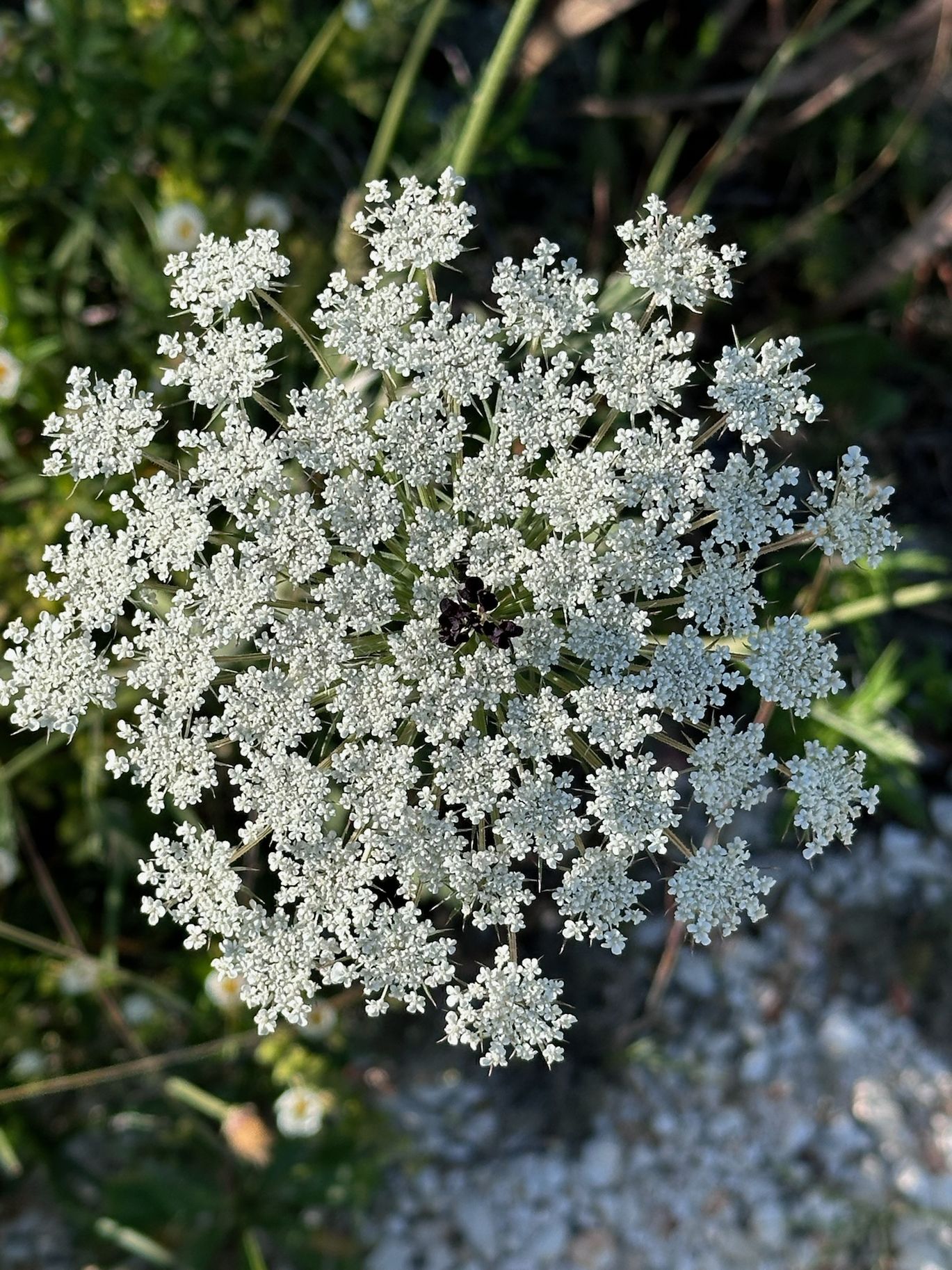
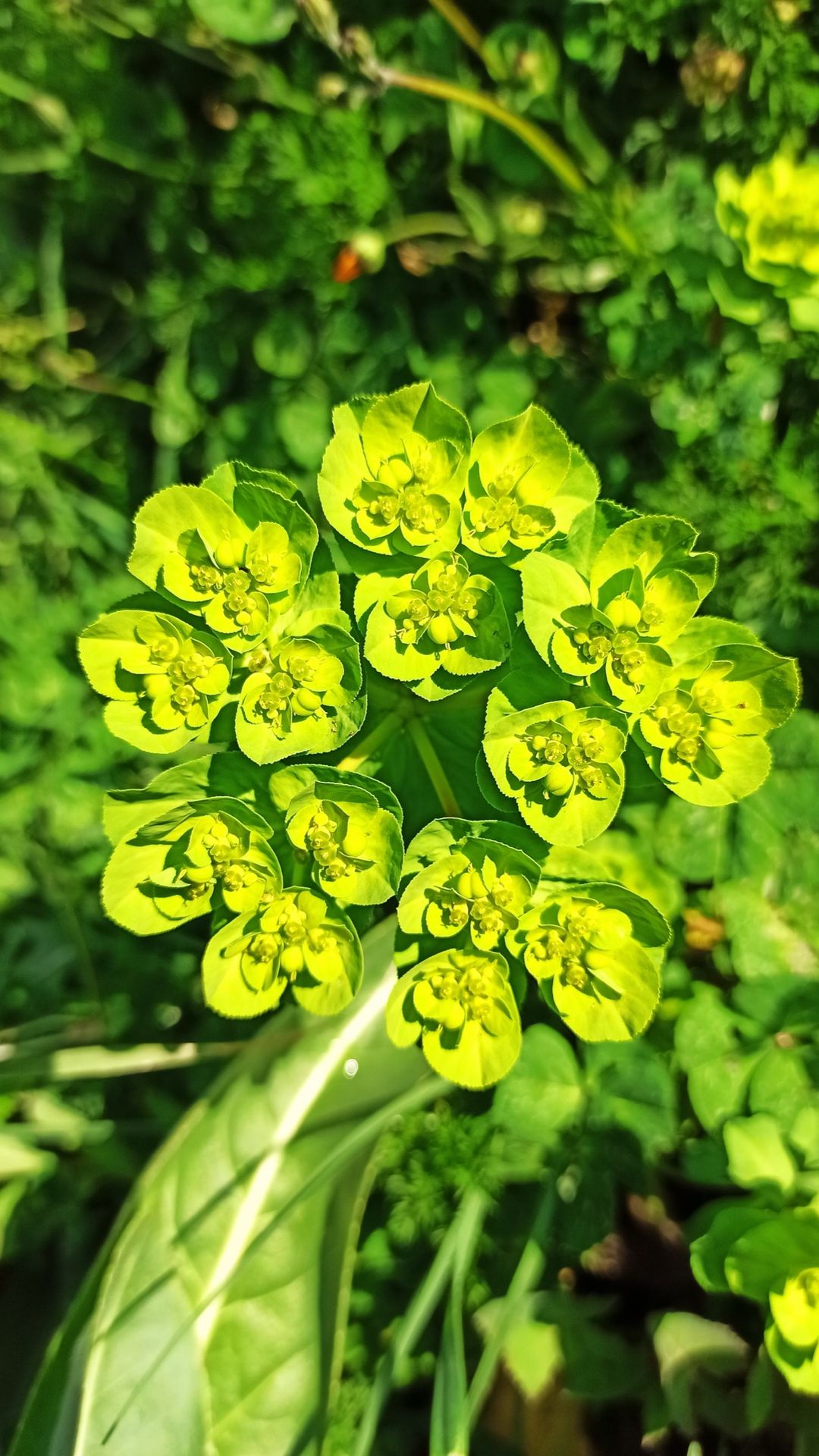
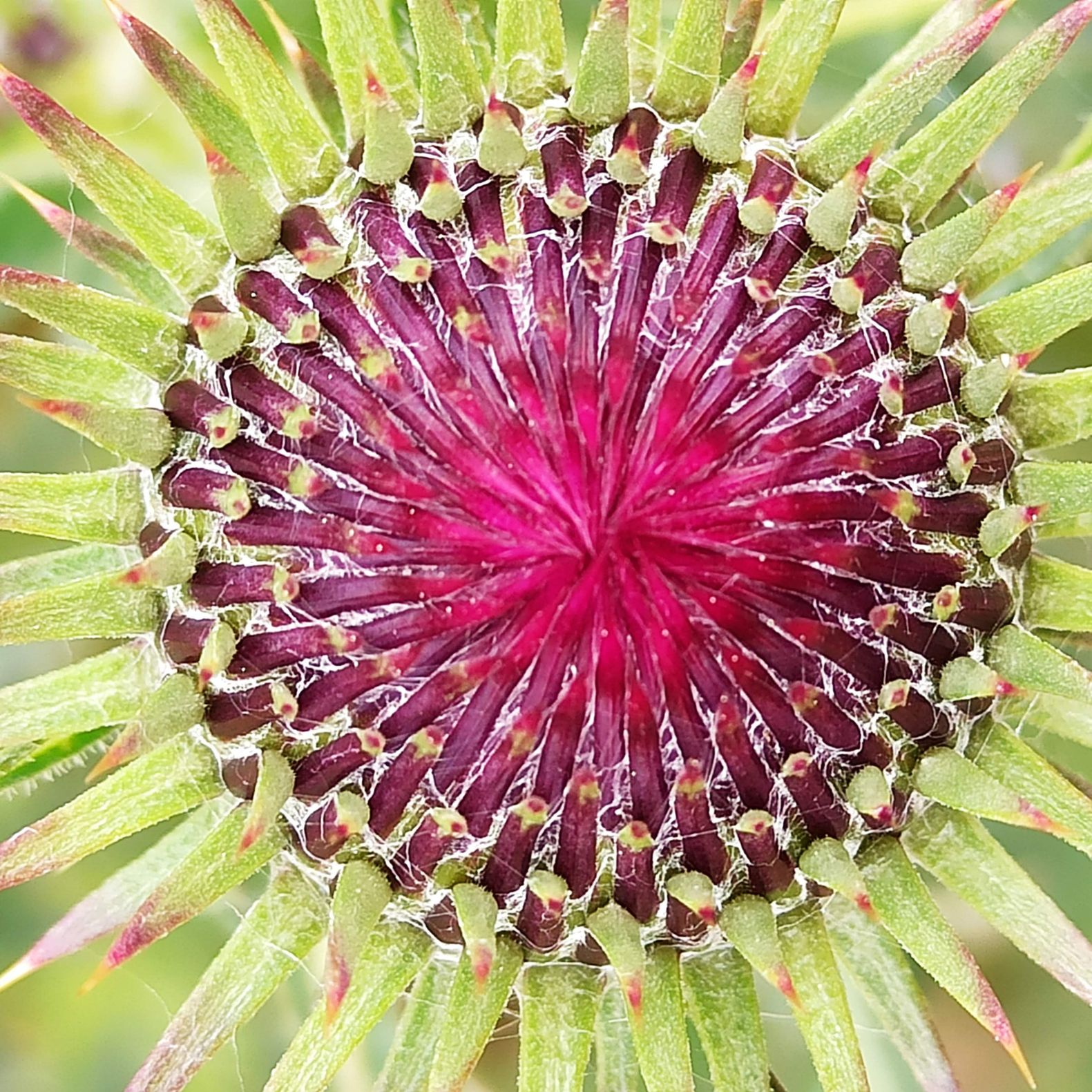
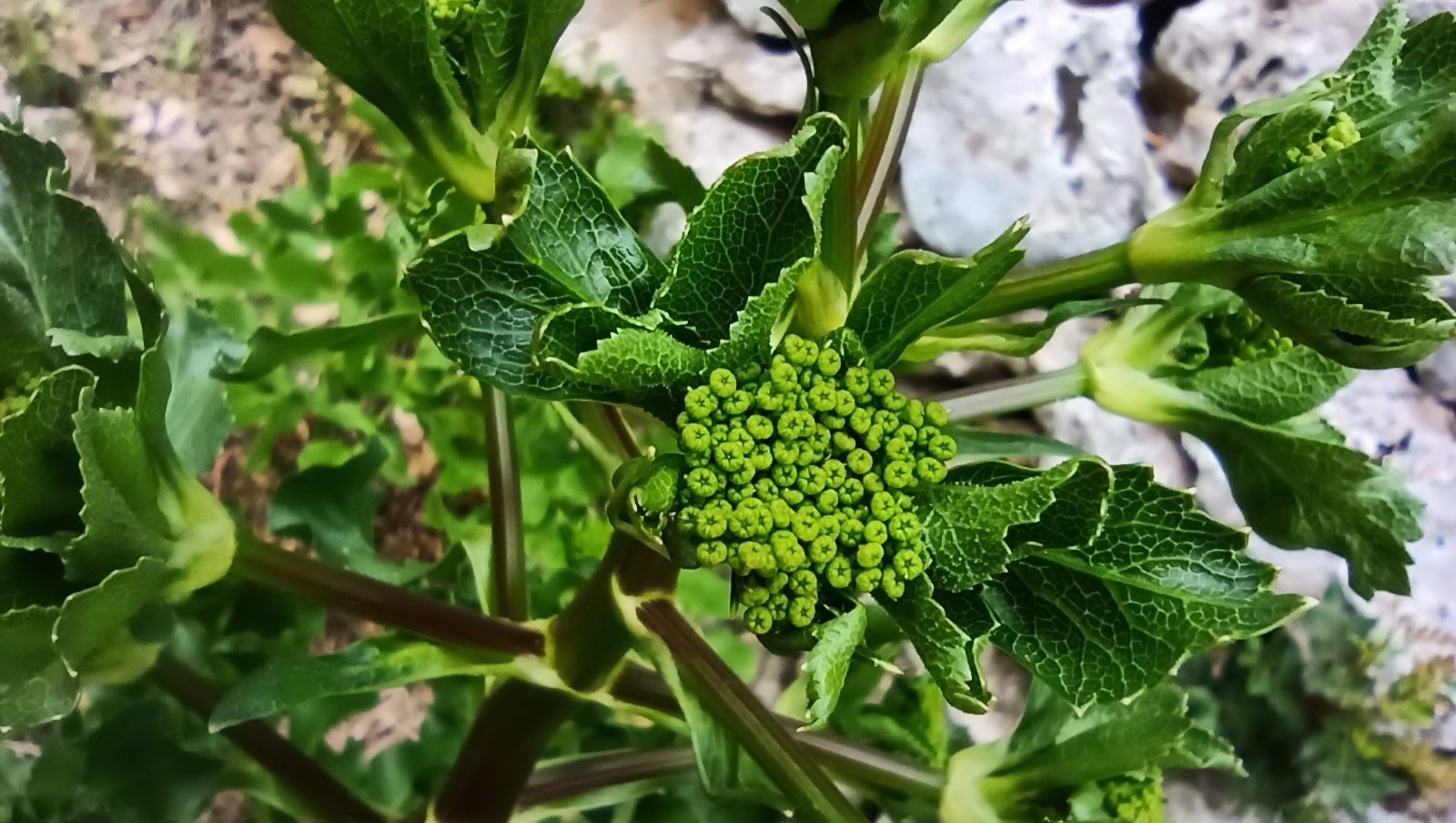
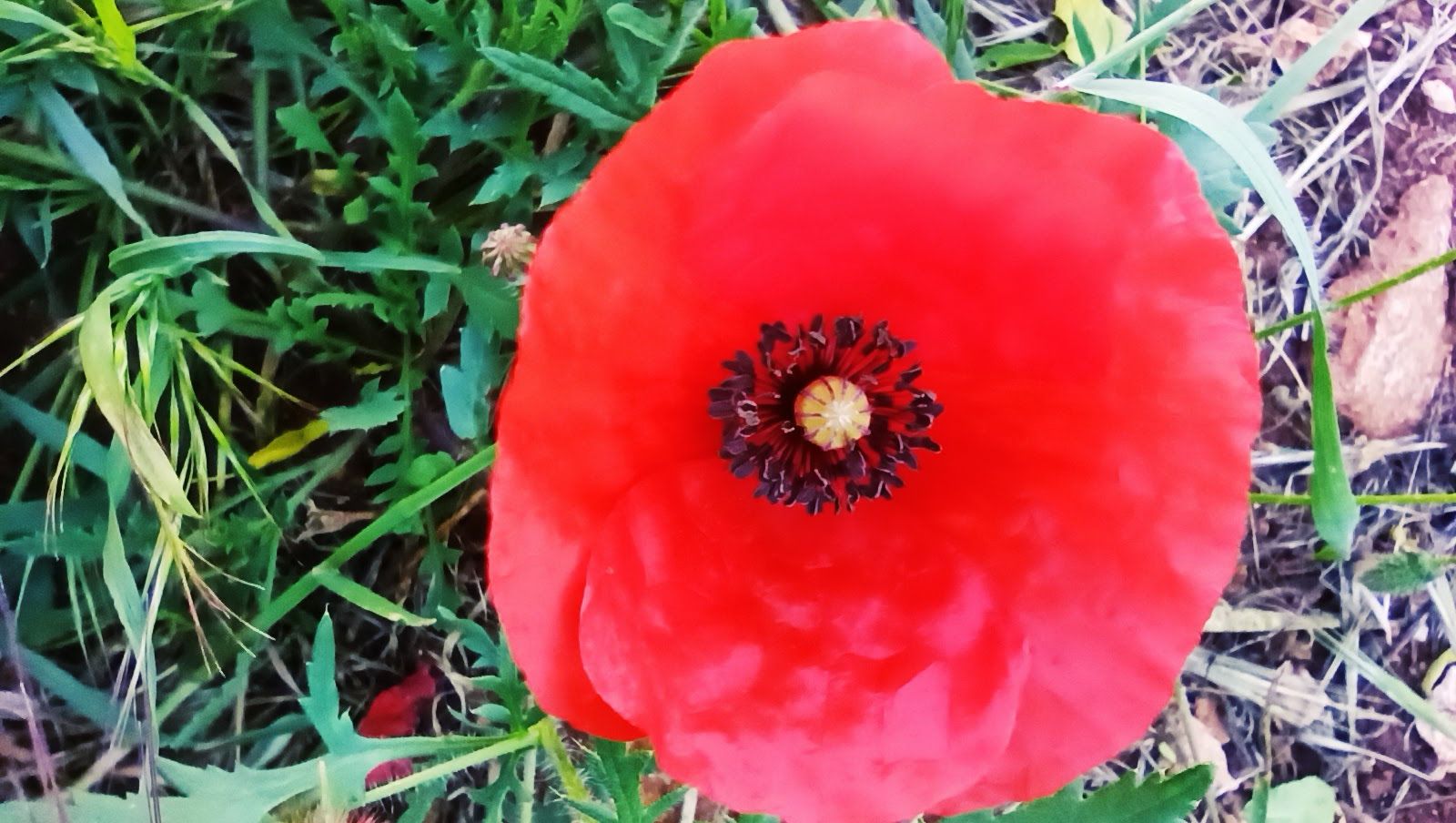
Immerse yourself in the cradle of Apulian biodiversity, surrounded by flora found nowhere else in the world, butterflies, dragonflies, bumblebees. Every month has its own flowers: in March the asphodel, which in Homer covered the meadows of Hades; in April the giant fennel, with yellow umbels taller than a person, and in the meadow at least five wild orchids, among them the sensuous Ophrys, which imitate an insect to get pollinated; in May wild carrot and mulberry... Here blooms the very rare Ophrys celiensis, the Ceglie orchid.


The Japanese calendar divides the year into seventy-two seasons of five days, each named after a small thing that happens: «silkworms feast on mulberry leaves». Nicola has begun writing the masseria's own, watching the grounds day by day.

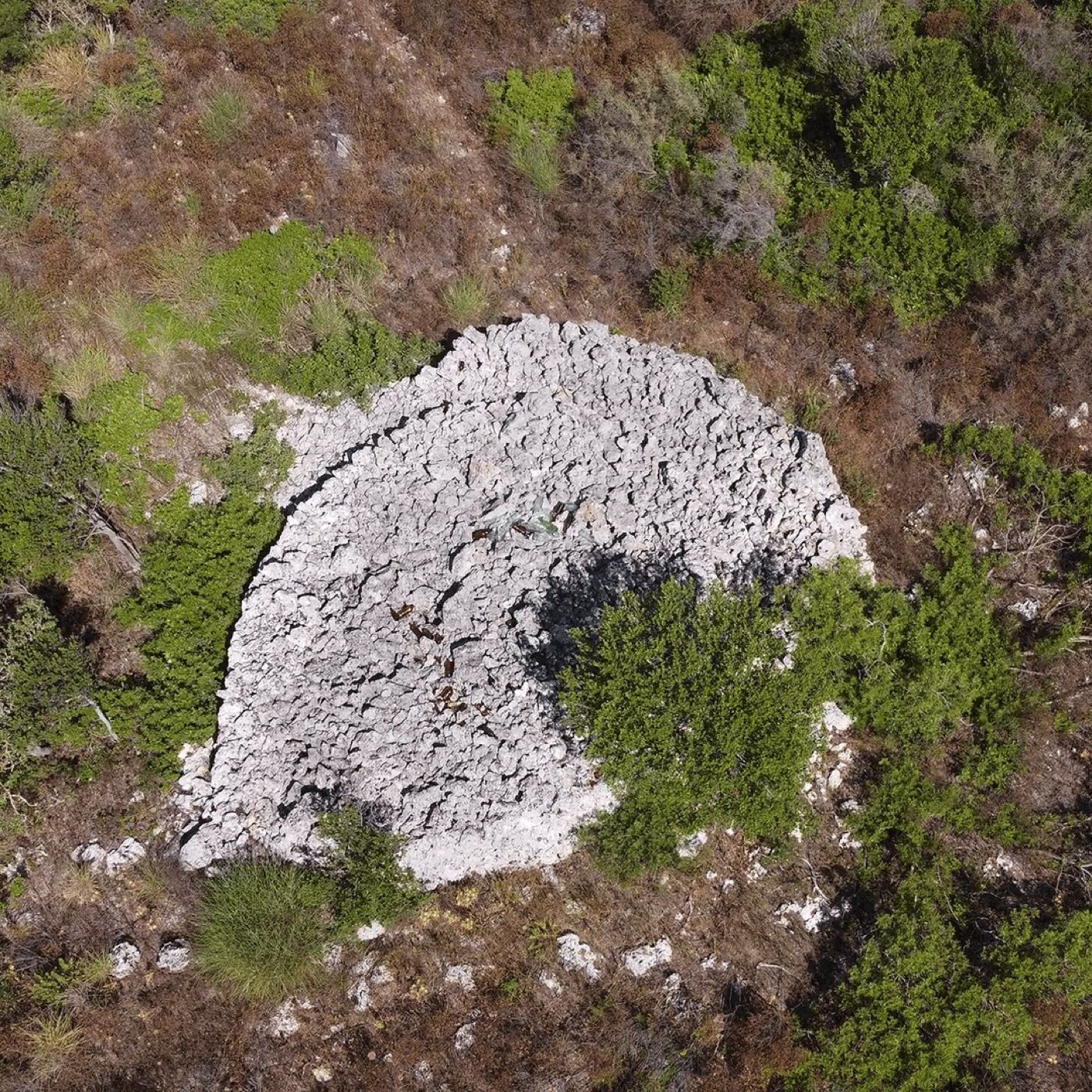
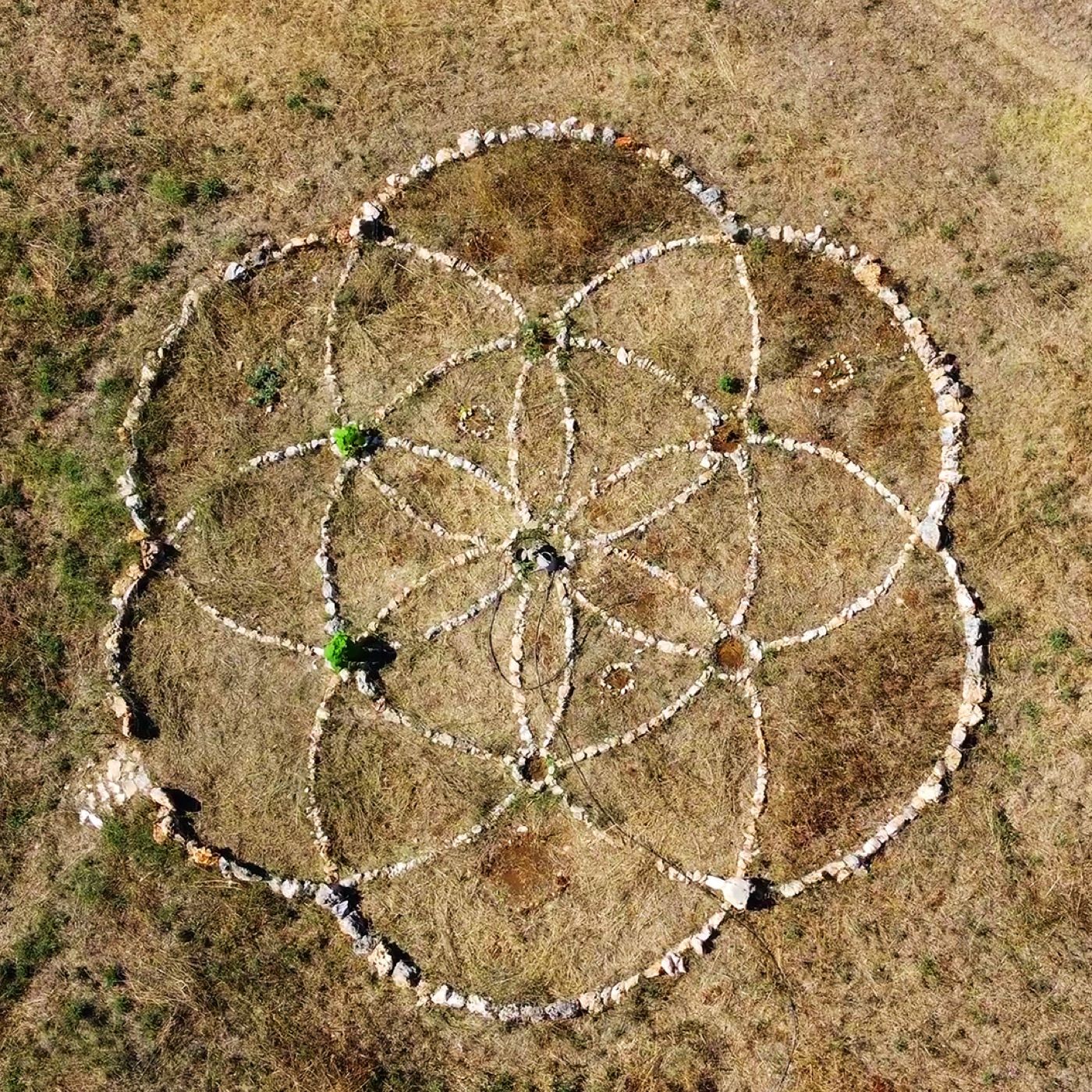
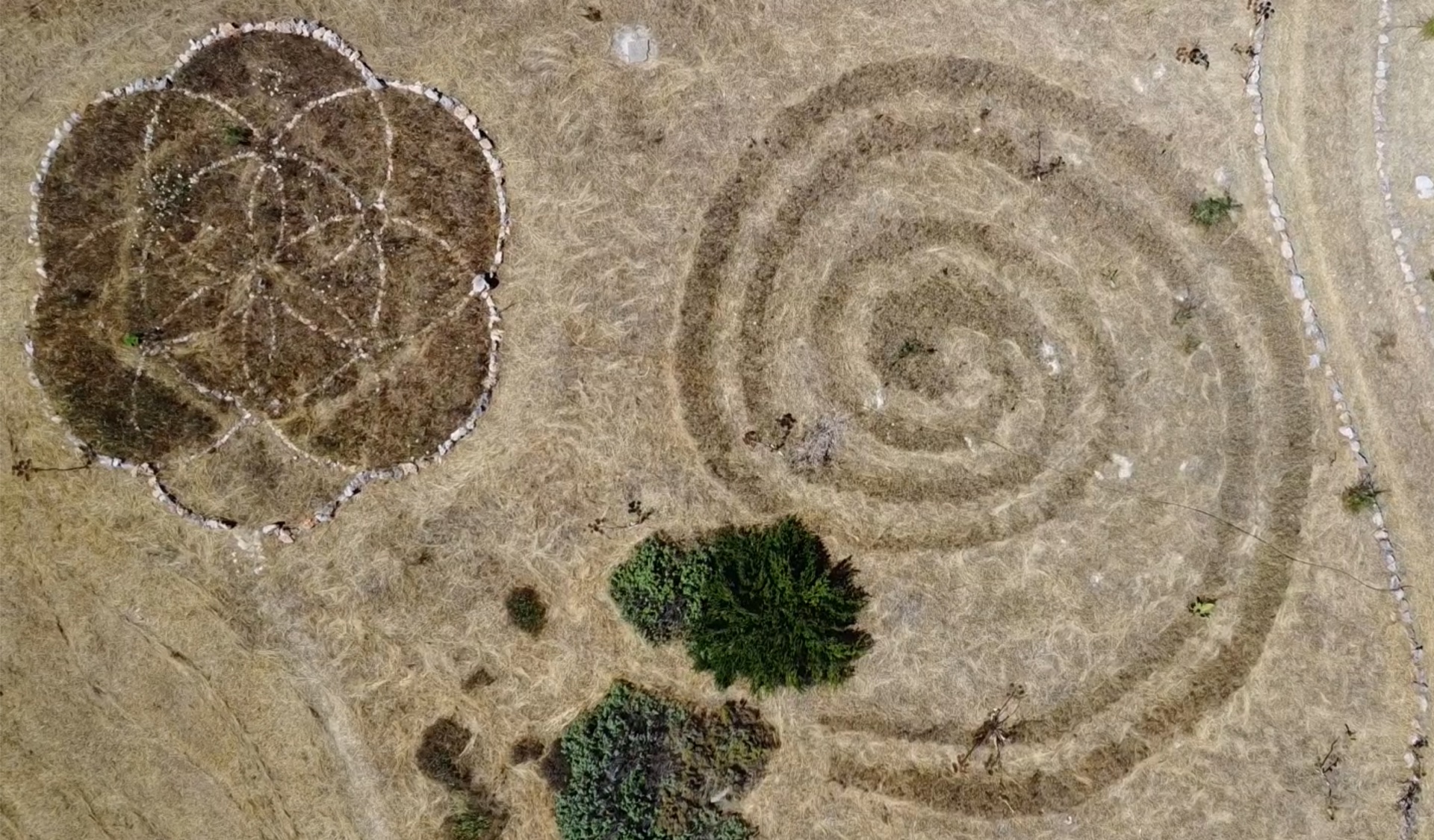
In 1967 Richard Long walked back and forth across a field in England until the grass drew a line; he photographed it, and the grass stood up again. Here the work follows the same spirit, with what the grounds offer: a spiral cut into the dry grass, a flower of life in white stones, each as wide as a house. They last as long as the meadow holds them; then the meadow takes them back.
Places of Masseria LoJazzo →
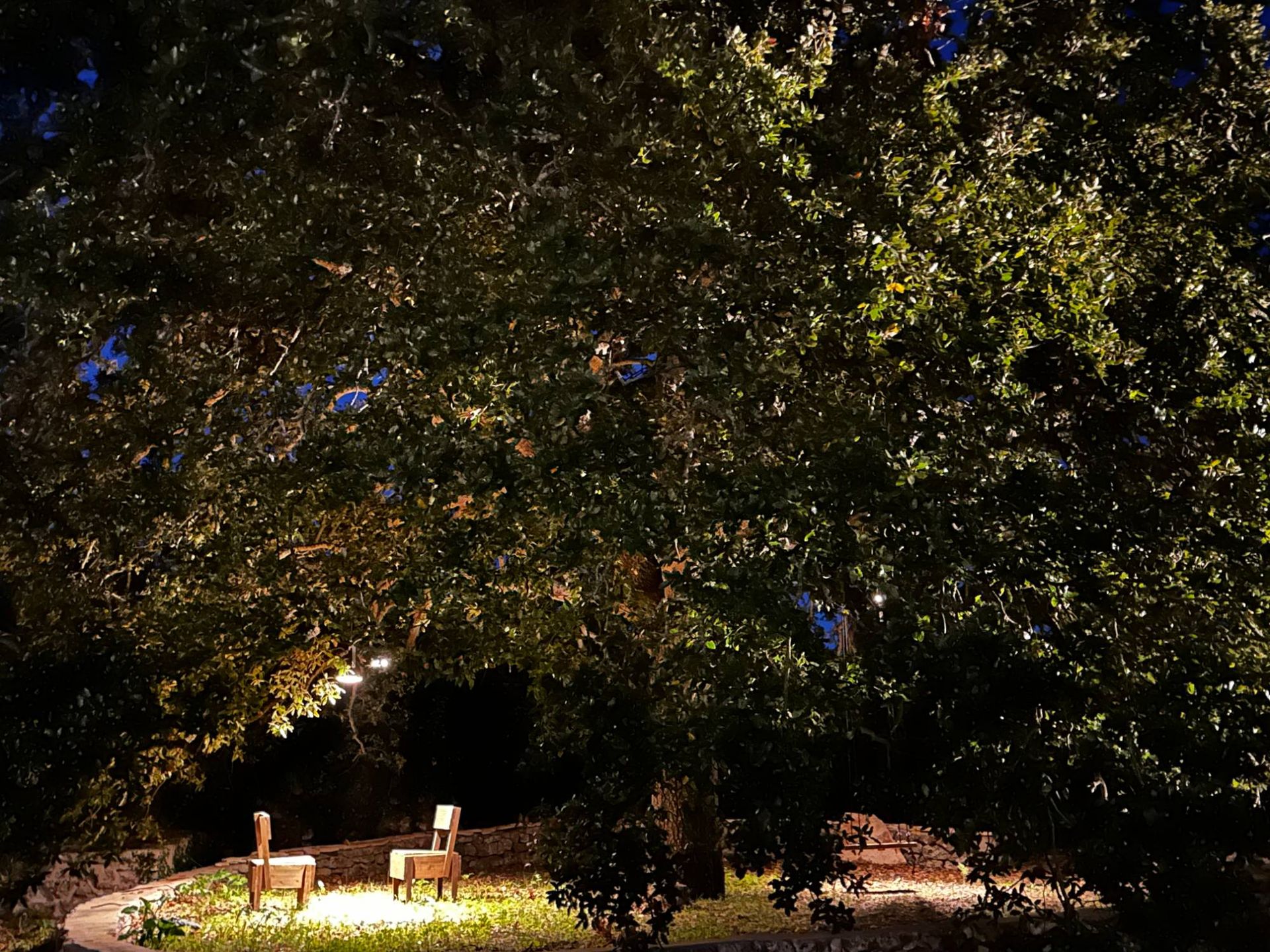
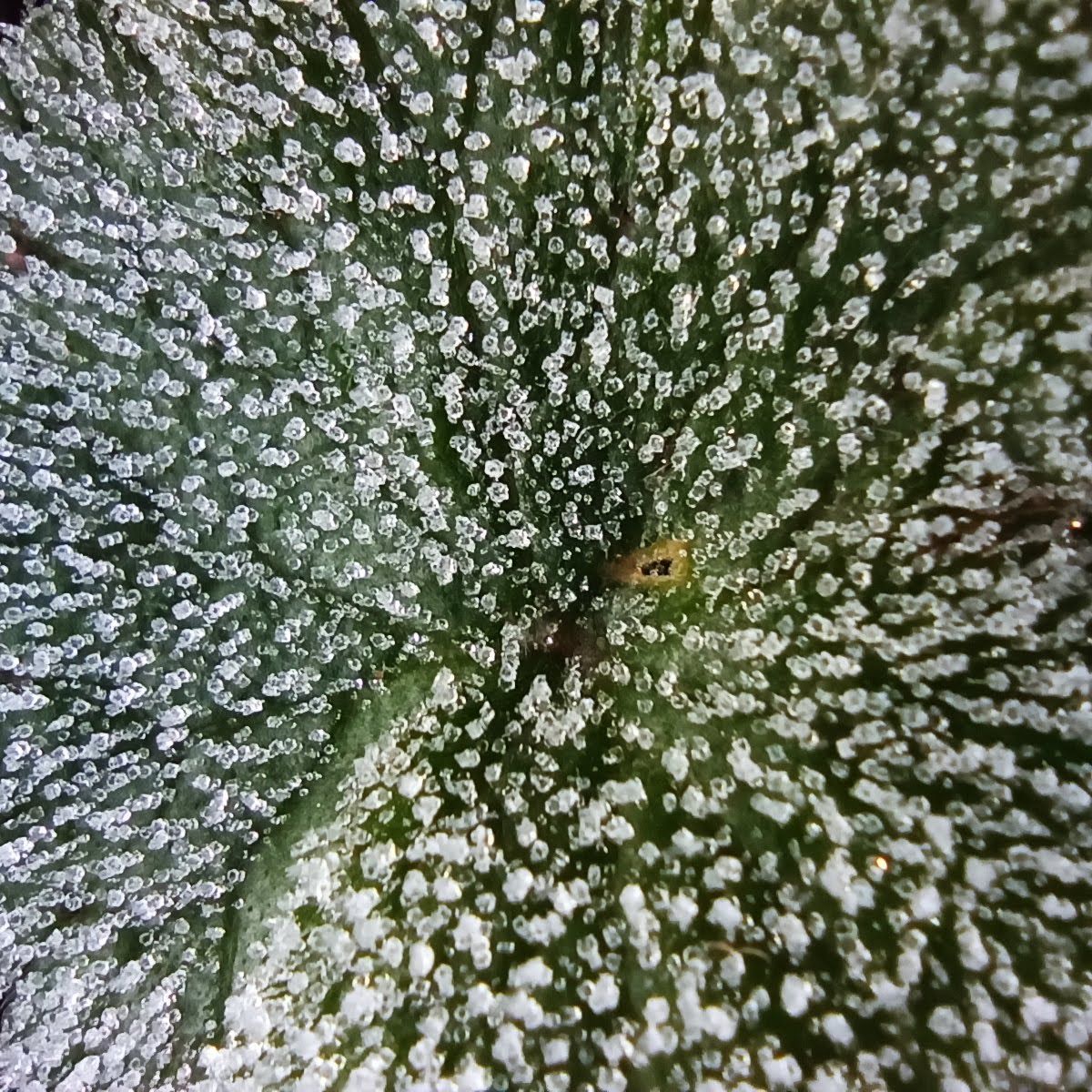
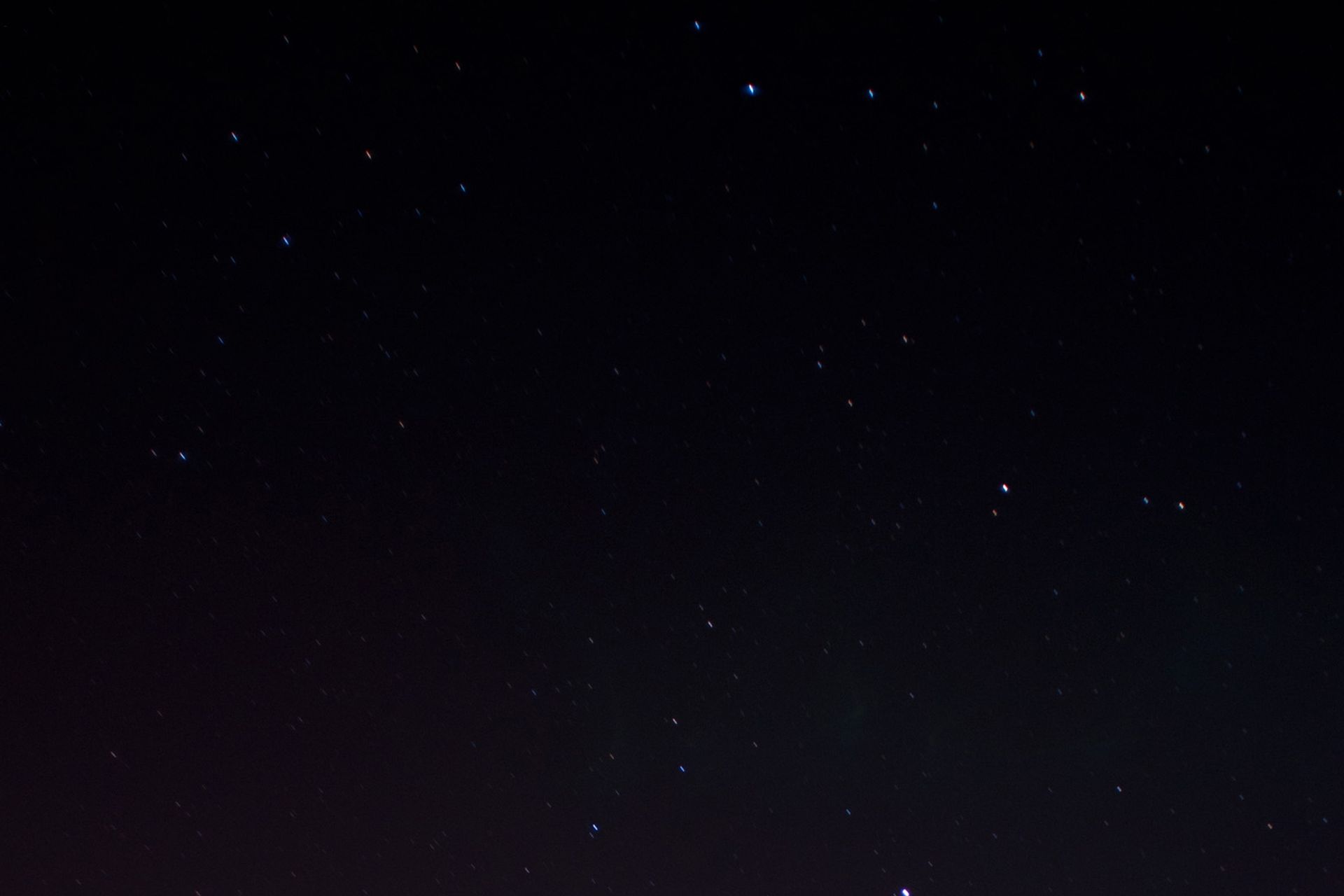
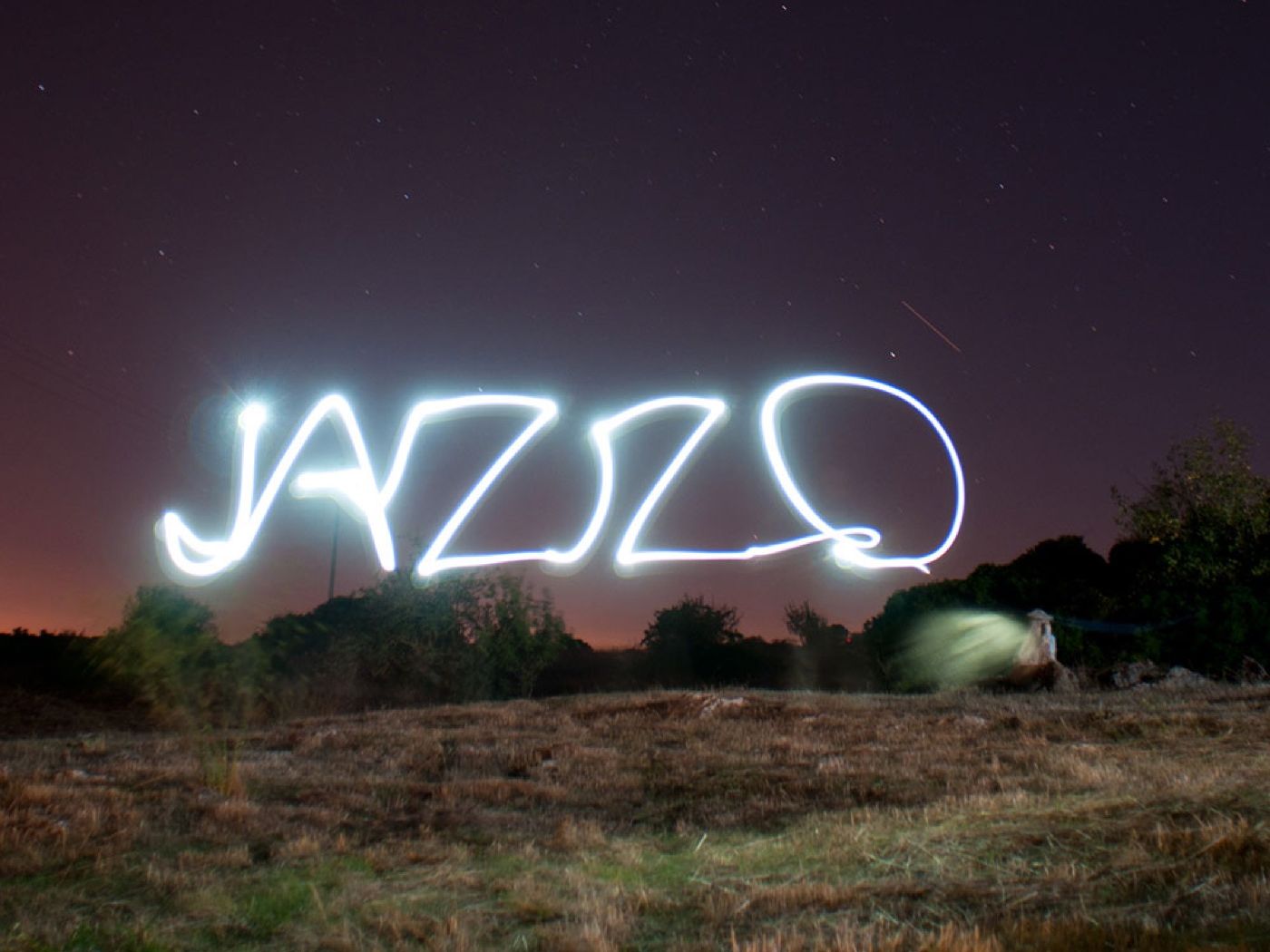
Italo Calvino named his Mr Palomar after the telescope, but then had him bend down to look at things up close: a lawn, a shadow, the belly of a gecko. Looking near with astronomical precision: that is the Art of Noticing. Here, by day, you practise it on orchids and stones; at night, in the sumptuous darkness of the Jazzo, you do the opposite. (Notice the shooting star in the photo.)
Darkness →

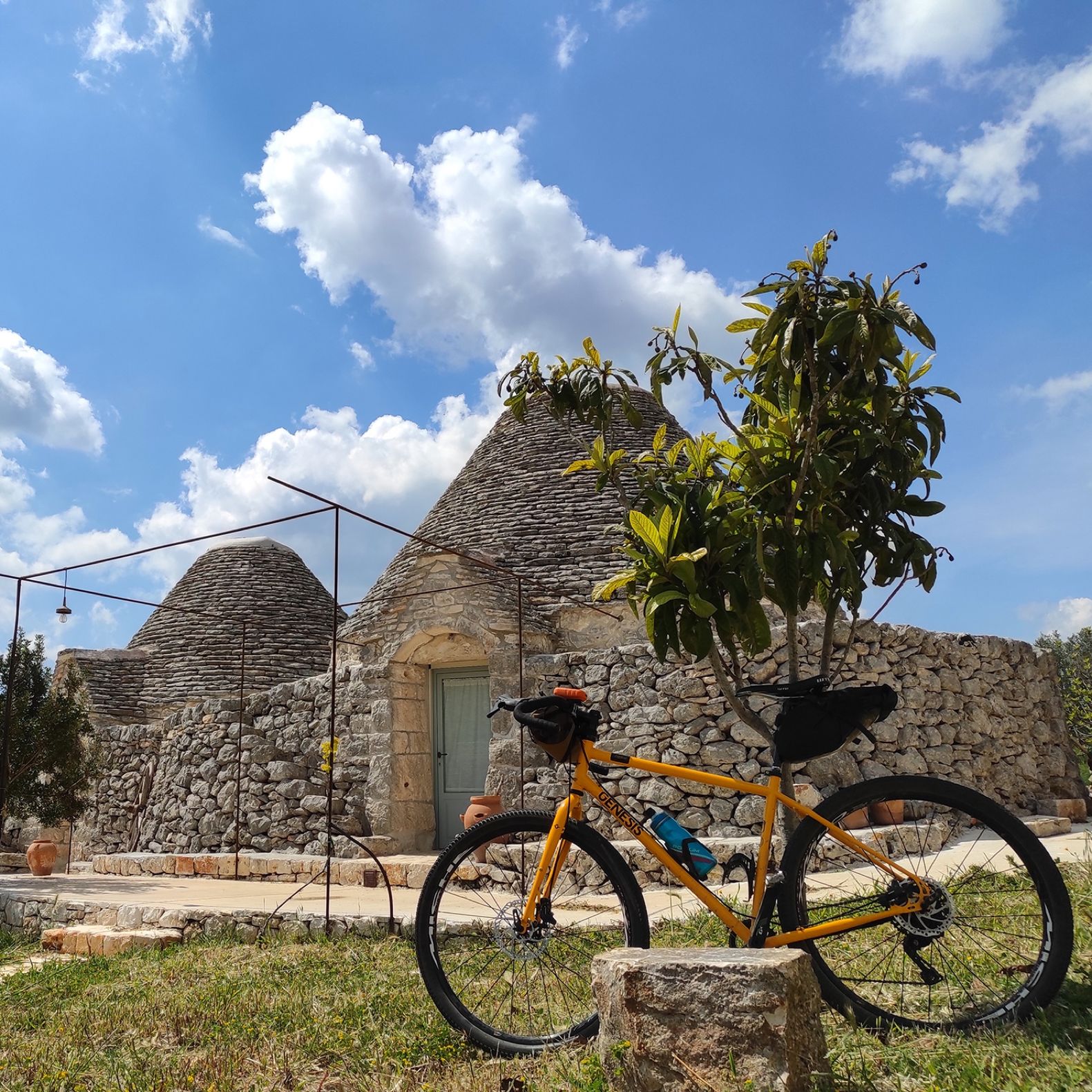
A 4 km gravel loop, and three kilometres away runs the Aqueduct Cycle Route.
By bike →where orchids are born.
Book