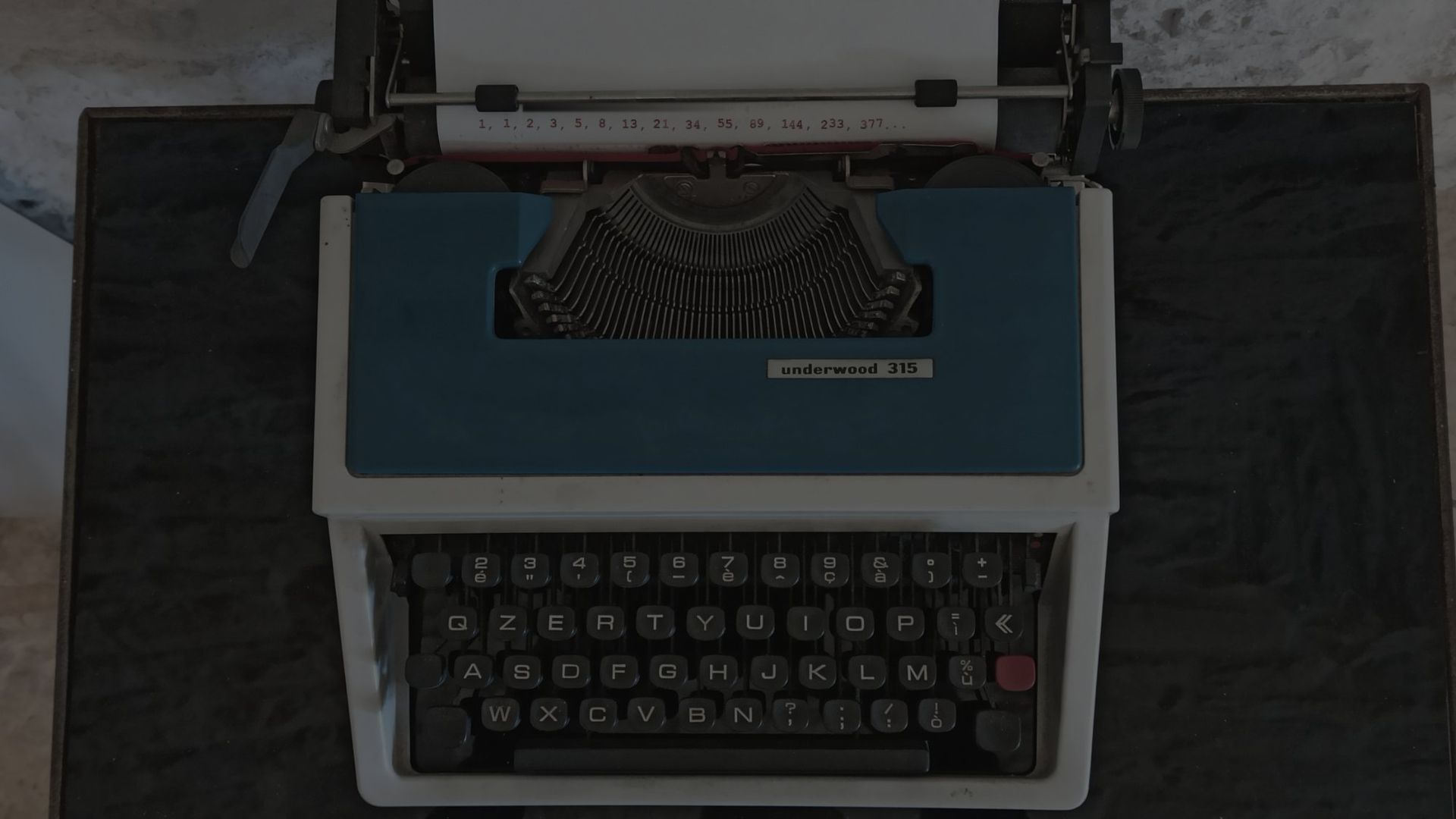
Fibonacci Books is the publishing house of Masseria LoJazzo: a family of books tightly interwoven with one another. It grows like the sequence of the famous mathematician: each volume bears the number given by the sum of the two before it — 1·2·3·5·8·13·21·34·... — and inherits their themes, in a widening spiral. This series is a single expanding organism. Flamenca, a novel with many layers of reading, is number 1; The Imaginary Museum, a flight of imagination through contemporary art, number 5; Piracy, a book of rude poems, number 8; others will follow. The authors are heteronyms of Nicola, à la Pessoa: each has a biography, a city and a year of birth, a style of their own.
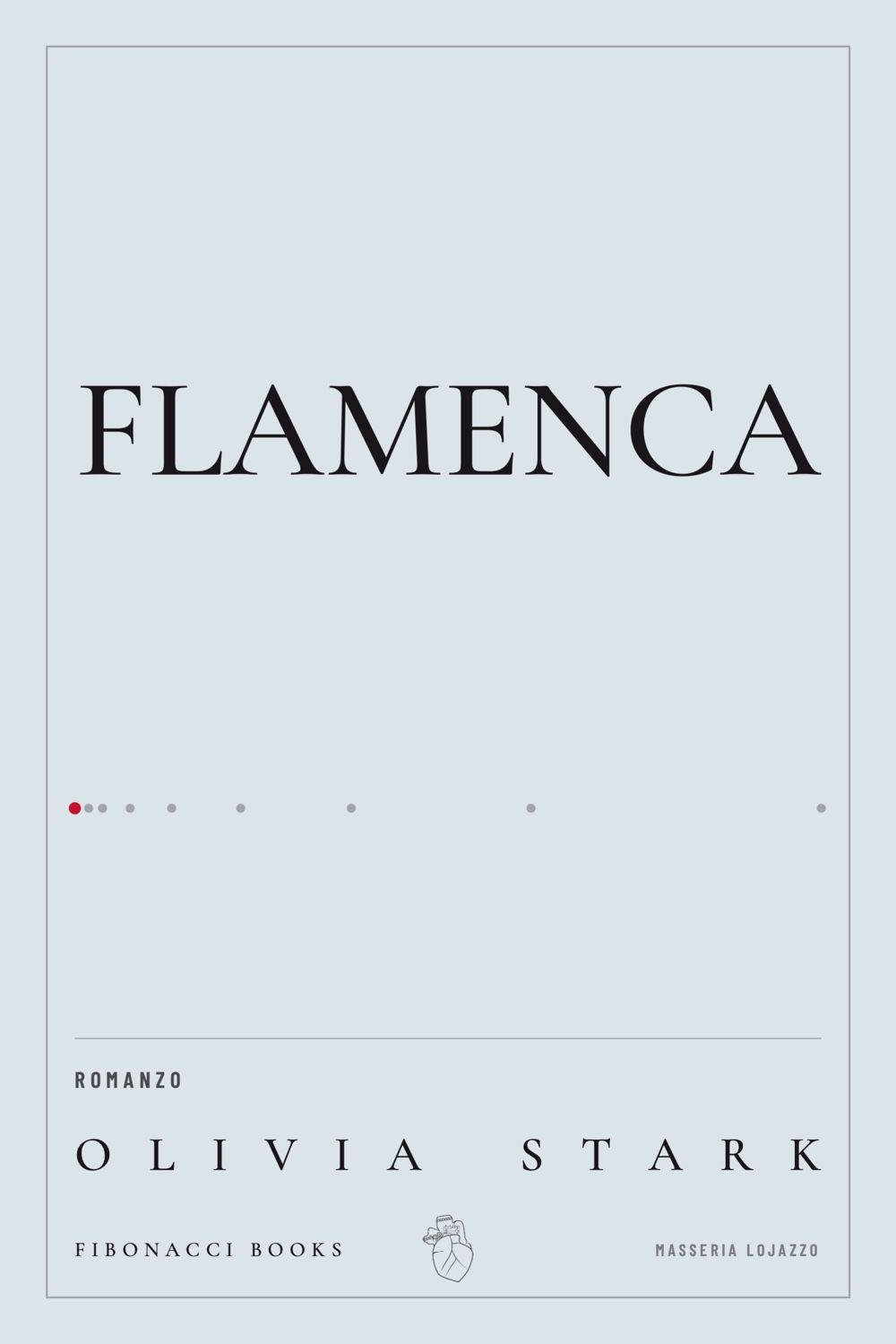
Every Thursday, at half past ten exactly, a vintage limousine stops in front of Buchanan's, a Fifth Avenue department store dying with elegance. A woman steps out, wrapped in a cloak, escorted by six bodyguards. No one has ever seen her face. She tries on five dresses, chooses one, vanishes into the traffic. They say her name is Flamenca. William — salesman by accident, failed writer, and methodical misanthrope — discovers that an old air duct connects the warehouse to the fitting room where she undresses. Too narrow for a man to pass through it. But words do. One Thursday, he brings his mouth to the duct and speaks: “Help.” The following Thursday, the woman answers.
A novel about love, about imagination, and about the terrible idea of trying to save someone who, in order to exist, needs to stay unseen.
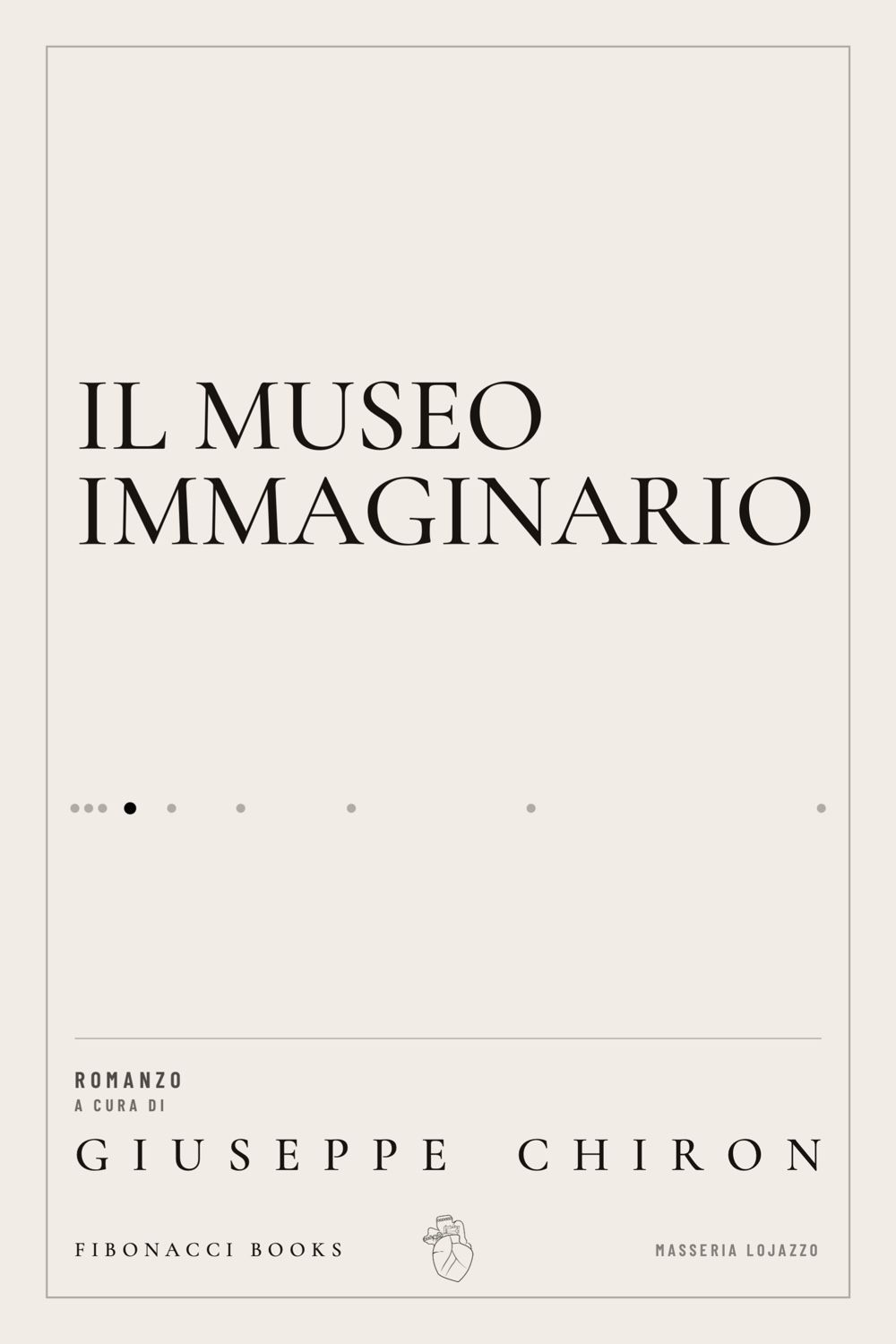
The year is 2049. Images are illegal. Museums have been abolished, figurative artists sentenced, memories confiscated — and art survives in the only legal form left: the label. This is the official catalogue of the 13th Palo Alto Biennale, the exhibition that almost unleashed the end of the World.
Read them slowly: each one builds its masterpiece inside your mind. Which makes you the artist — and possibly the criminal.
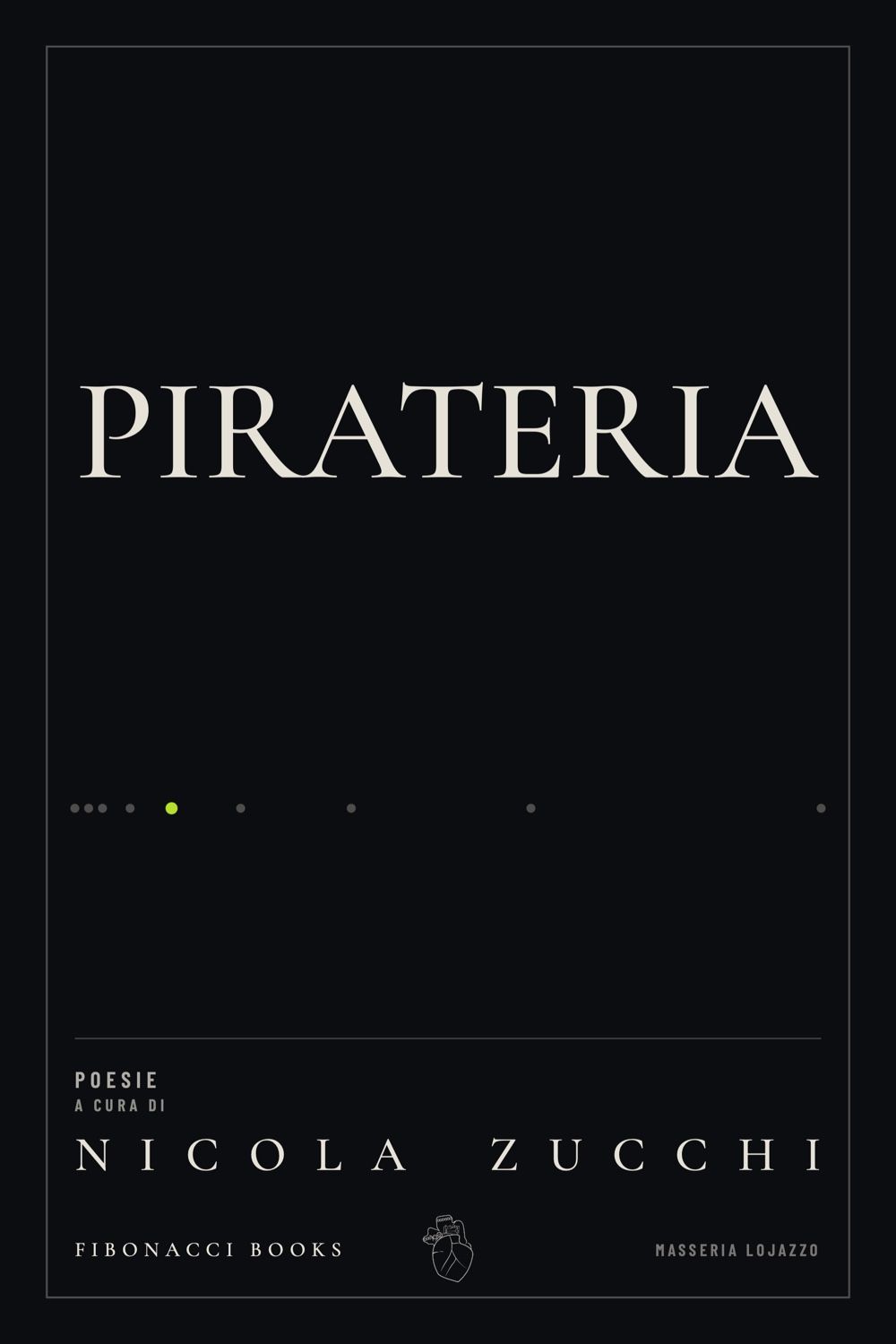
“Finally, a poetry book that hates me as much as I hate myself.”
— Luna Klein, former assistant editor, now herder
Each poem belongs to an imaginary author, à la Pessoa. Not to hide, but to expose. That's why these poems wear masks. That's why they need heteronyms. There must be distance from truth: seen too close, it burns. You won't agree with every poem.
That's good.
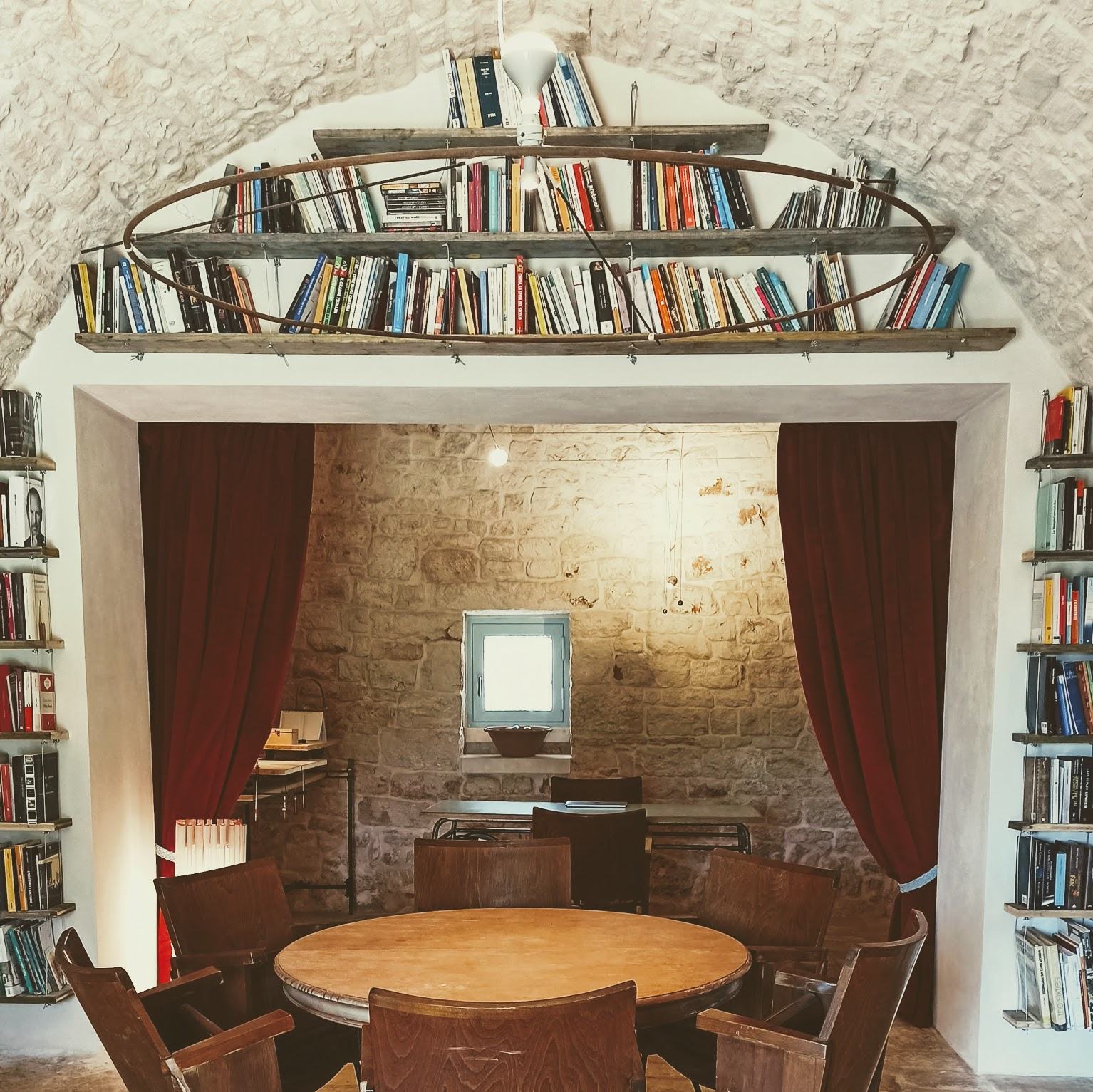
Every Fibonacci book was written at the Jazzo, during events and stays, and holds on to the life that passed close by: echoes of encounters, reverberations of evenings, inspirations, memories. Two voices can be heard in their pages: the voice of the land, made of stones, seasons and winds, and the voice of the world, which arrives with those who come from far away. A single hand gathers them and lets them speak under many names, those of the heteronyms, who all live here.
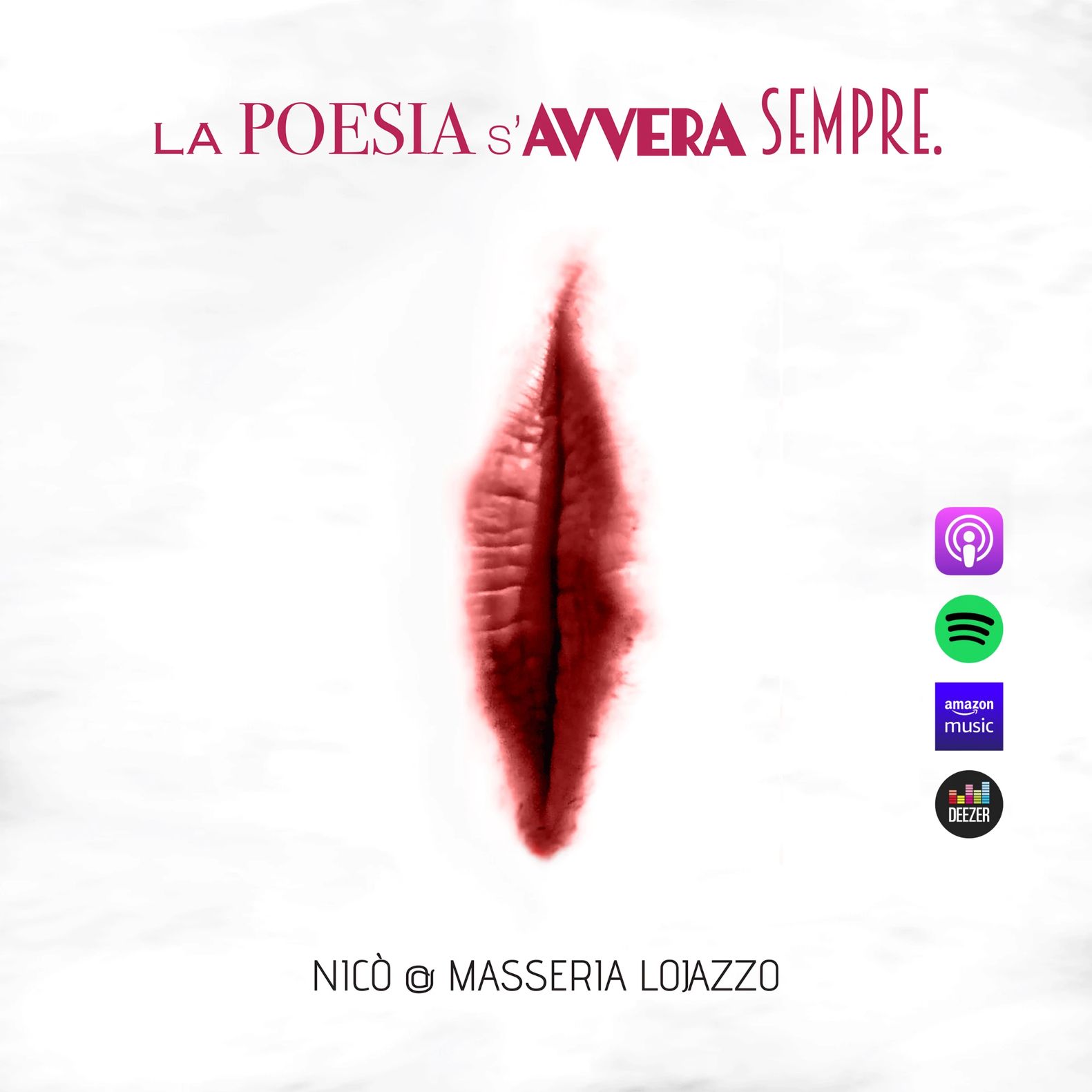
The heteronyms’ poems, read by a single voice: Nicola’s. Two seasons, more than twenty episodes, on every platform.
Listen →where Nicola and his 14 heteronyms write.
Book