History,and stories.
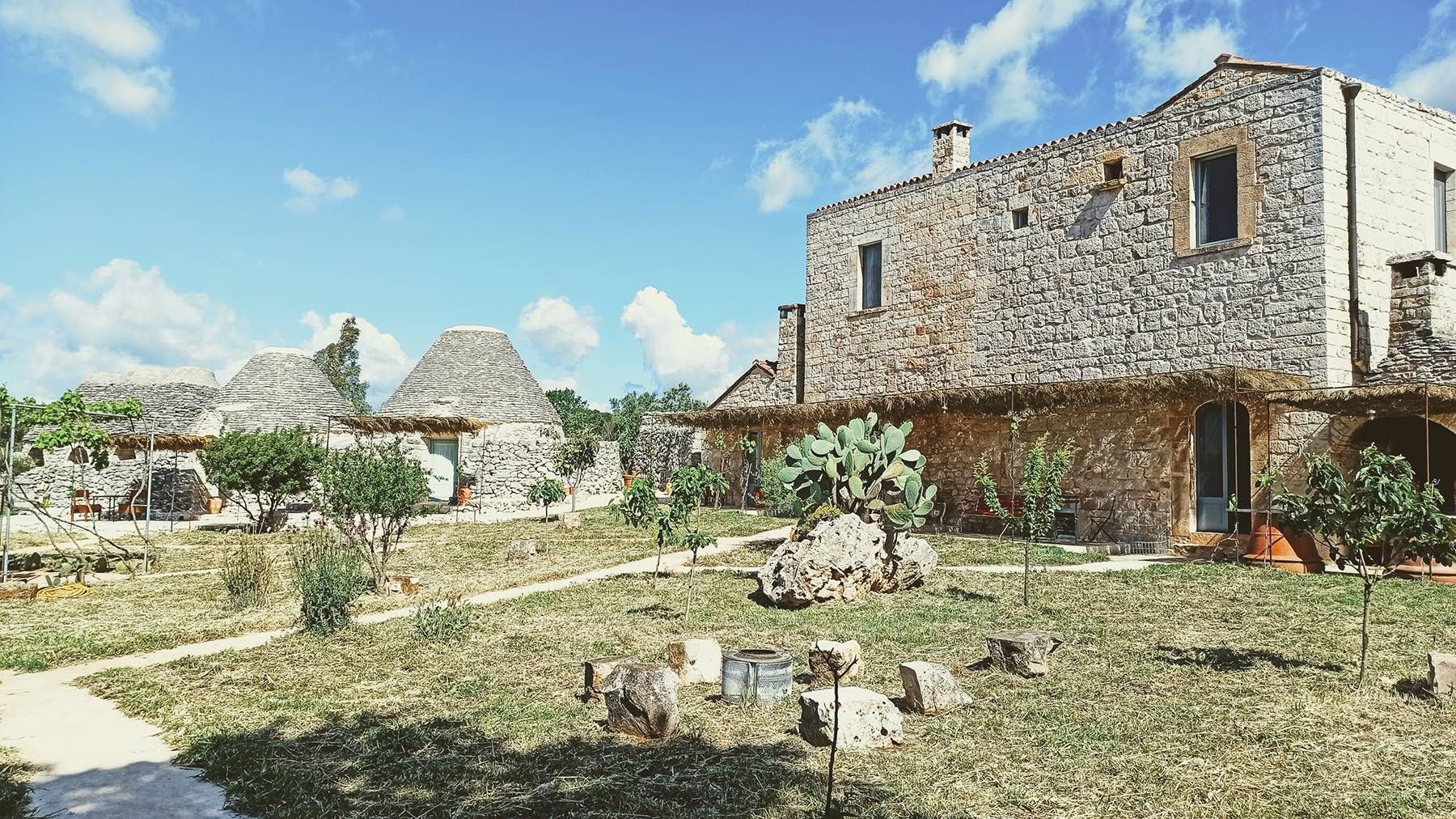
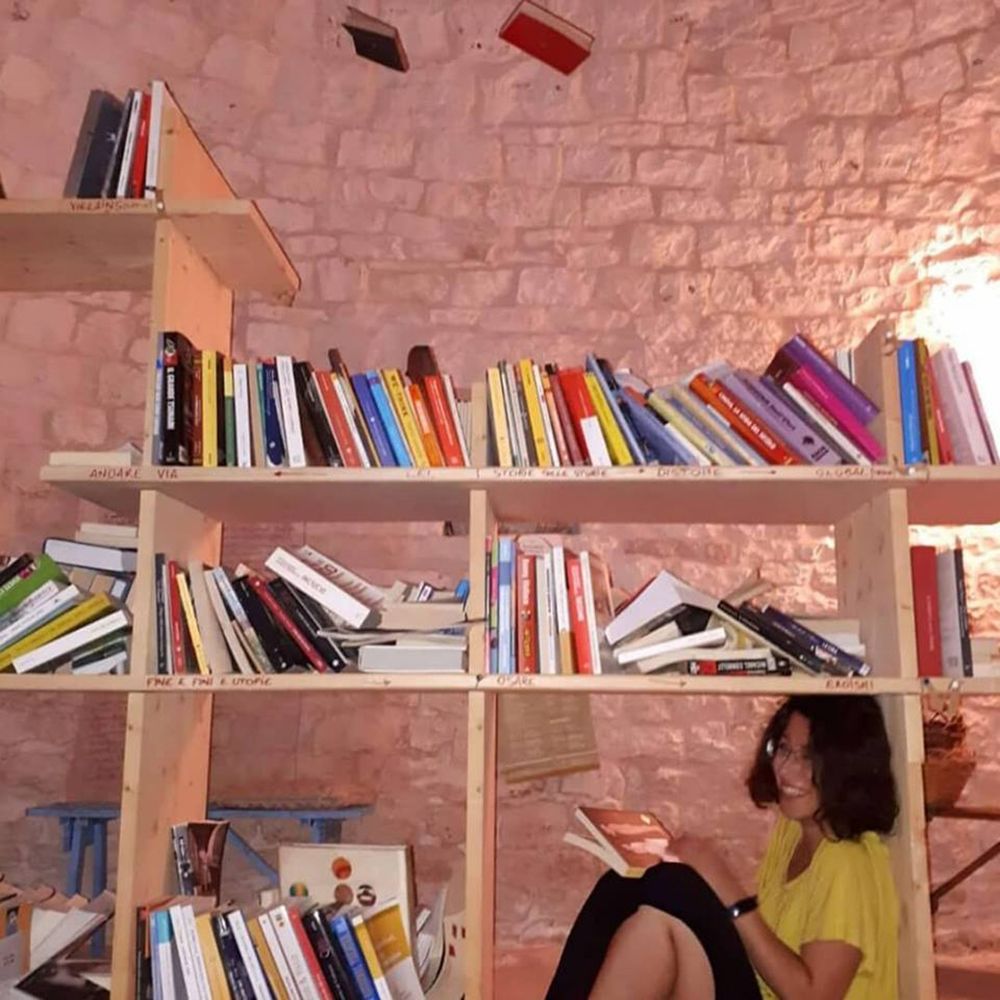
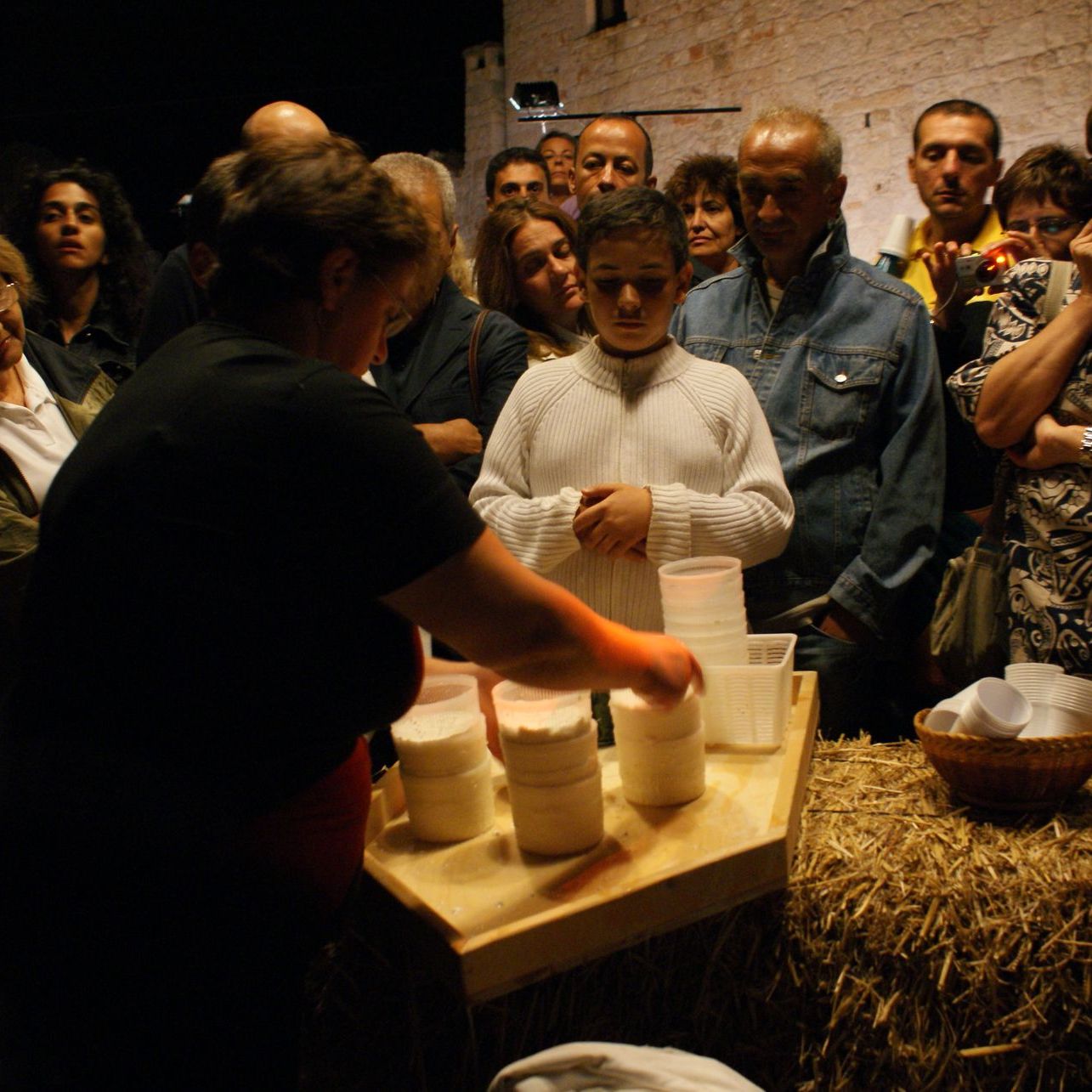
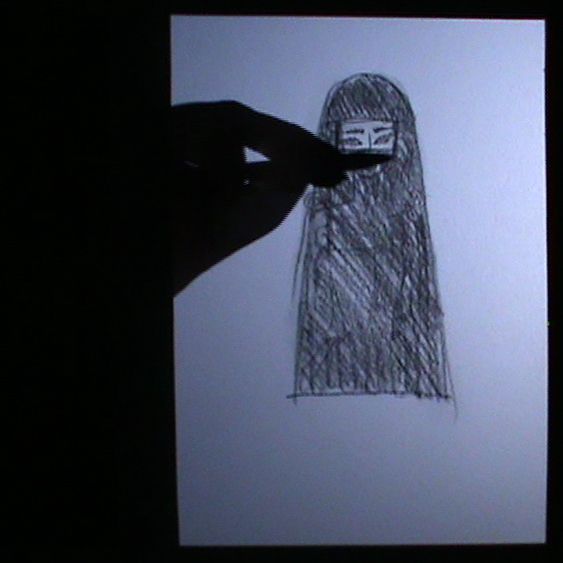
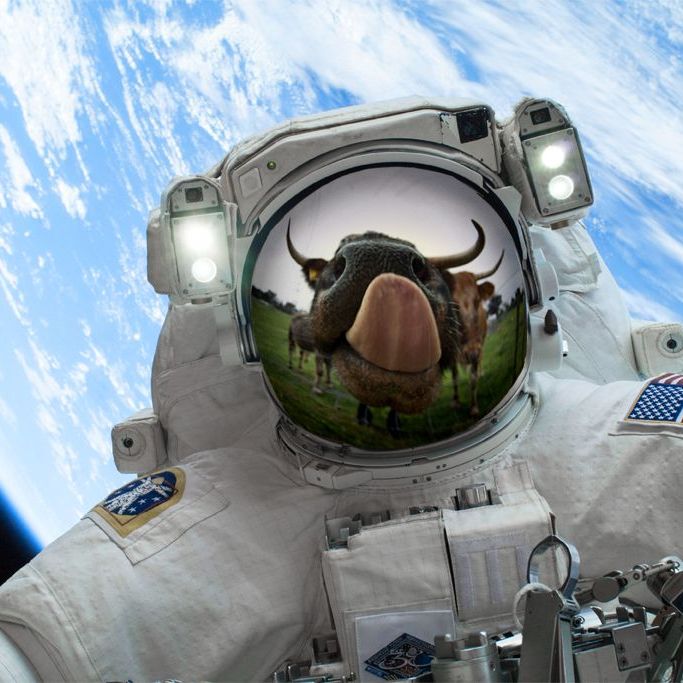
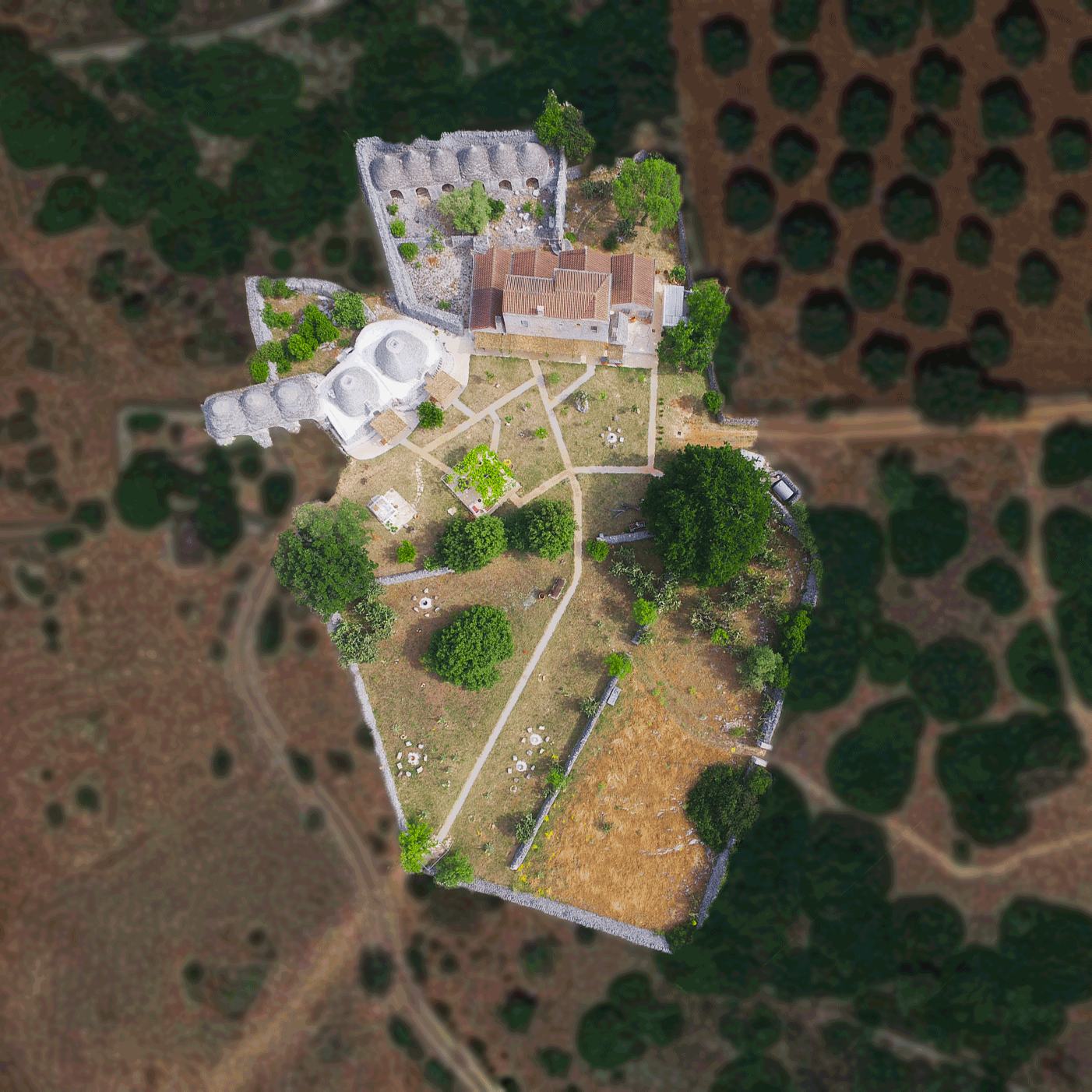
Lojazzo is a jazzo, a stone pen for the flocks of the transhumance, grown into a village: eleven trulli and a masseria, all laid dry. And like Janus it has two faces. One looks back: three thousand years of Messapians, specchie and shepherds, the history held in the stone. The other looks ahead: the stories that have lived here since 2003, brought by those who act, project, play, write and invent here. In Italian, storia is one word for both. Here it is one thing.
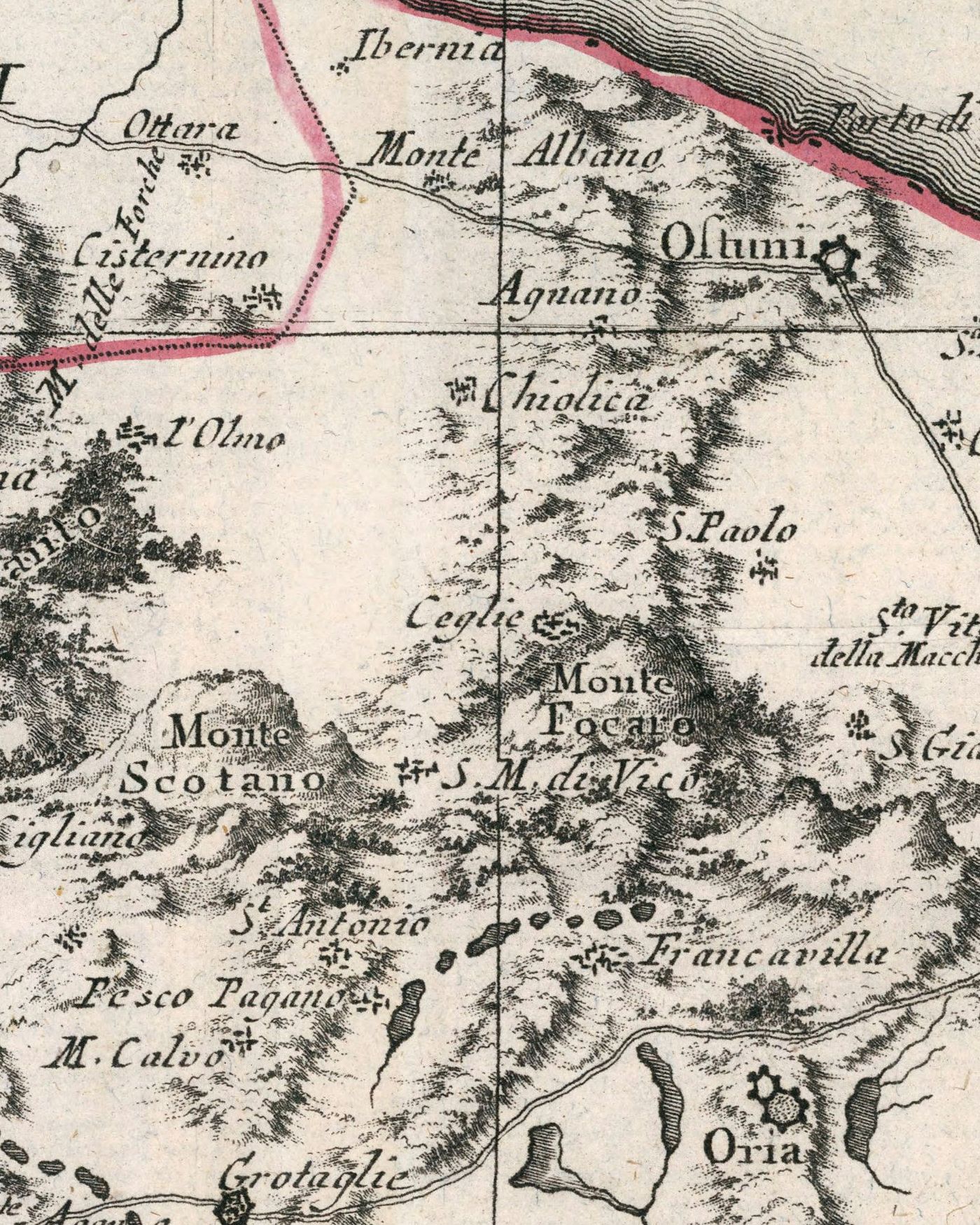
19th centuryIn Rizzi Zannoni's map of 1783, Ceglie sits between Monte Focaro and Monte Scotano. The masseria rises a few decades later, of the same stone as the trulli, laid dry.David Rumsey Map Collection · pubblico dominio
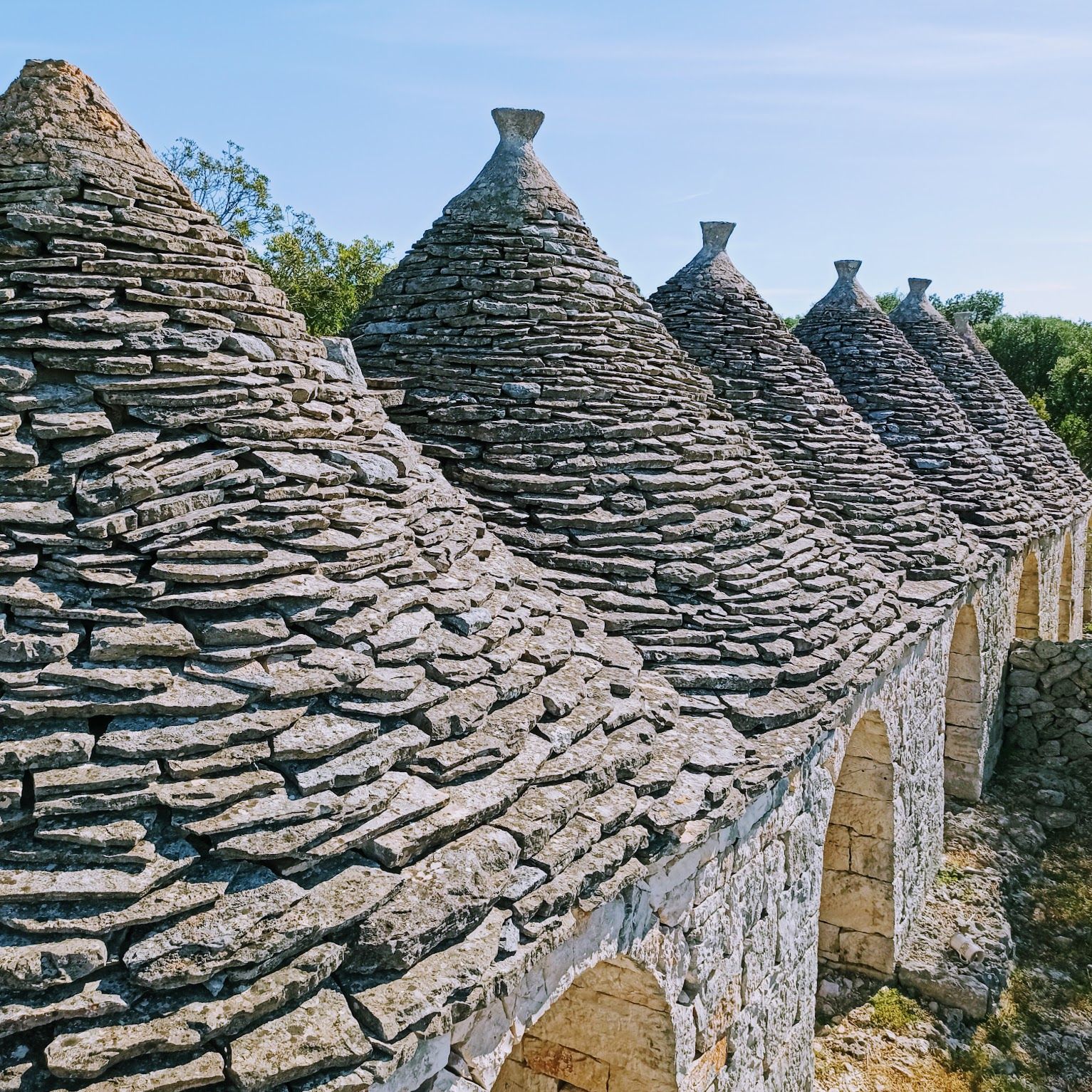
17th centuryThe trulli: limestone laid dry, without mortar, closed in a dome of overlapping slabs. Here there are eleven, grown around the jazzo, the enclosure where the flocks of the Tratturo delle Vacche stopped for the night. The oldest are three hundred and fifty years old.
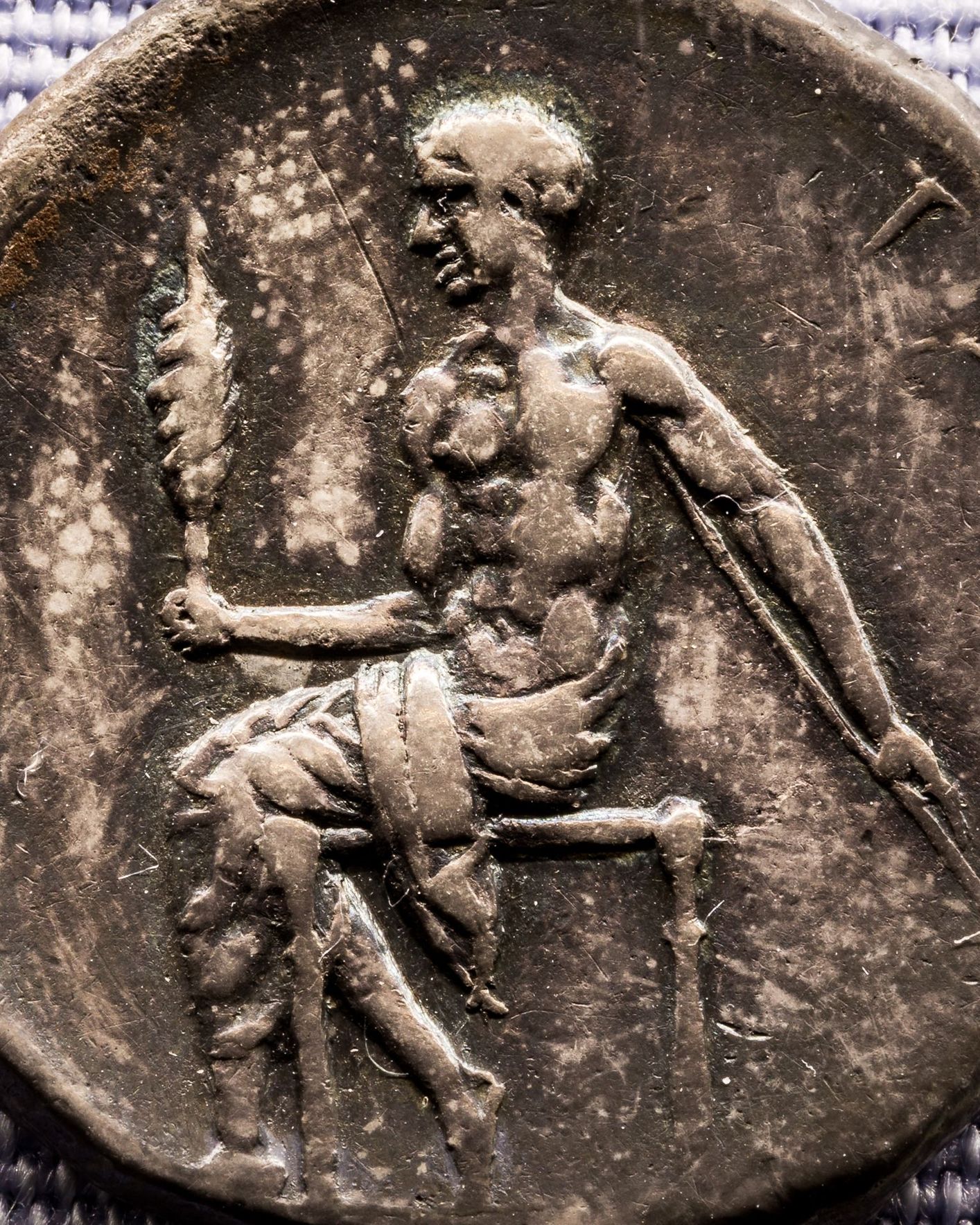
473 BCTaras and Rhegion march against the Messapians and are routed: for Herodotus, the greatest slaughter of Greeks he knew of. Tradition puts it here, beneath the walls of Kailìa, today Ceglie. This coin was struck by Taras in those same years.Staatliche Münzsammlung München · foto ArchaiOptix, CC BY-SA 4.0
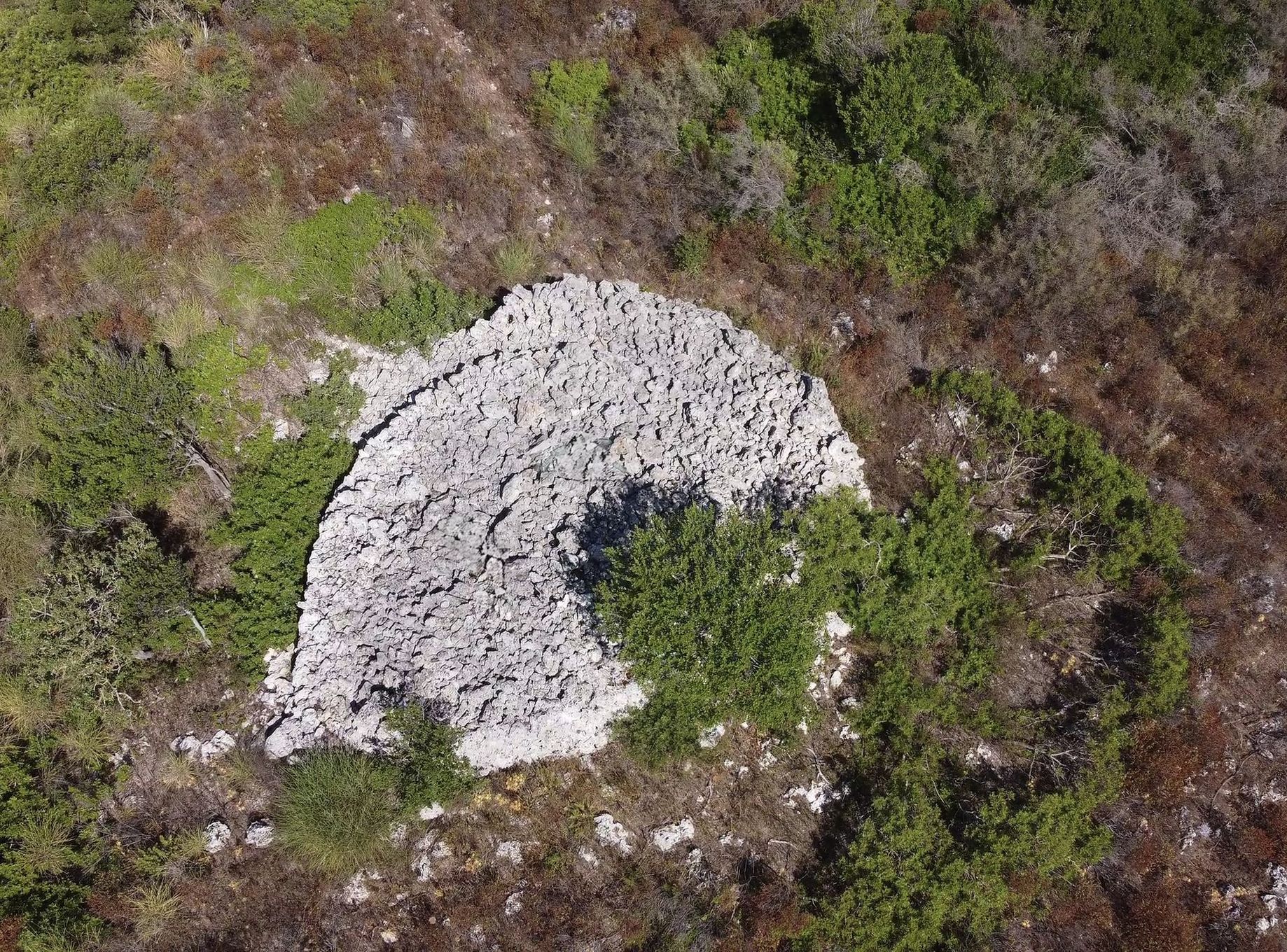
Twenty-five centuries agoThe specchie: great mounds of dry stone. For more than a century archaeologists have argued over what they were: lookouts within sight of one another, defending the land; tombs, perhaps as large as the standing of whoever was buried there; later, shelter for shepherds. Not to be confused with the heaps left by clearing stones from the fields. Ceglie has the highest concentration of them in Italy, and we don't touch a single one.
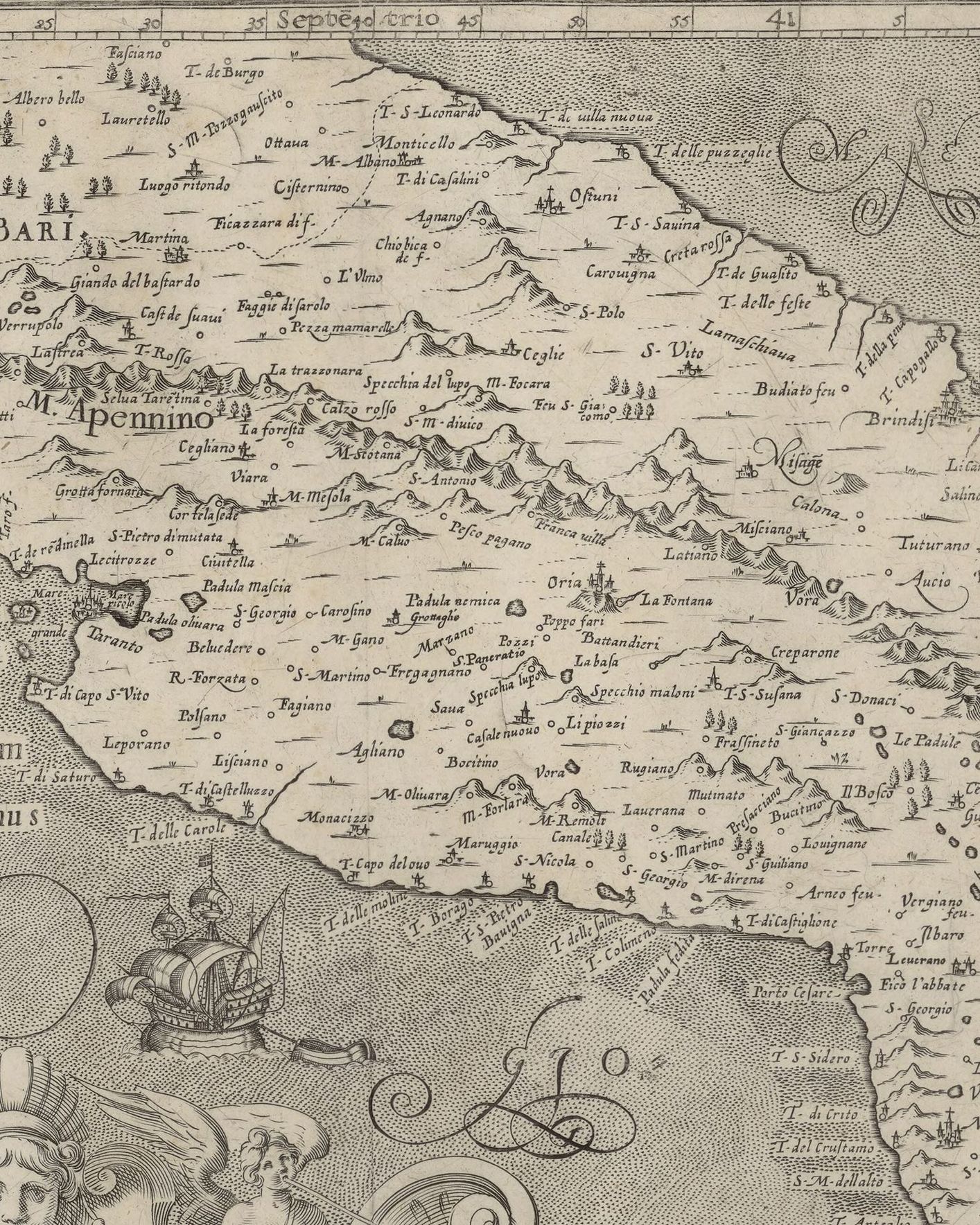
Three thousand years agoThe Messapians arrive: independent cities, allied in war, with kings whose names the Greek sources remember. Walls, tombs and inscriptions remain. Kailìa, today Ceglie, is one of the largest: it lies between the two seas, and from its heights, on clear days, you can see both.Bibliothèque nationale de France · pubblico dominio
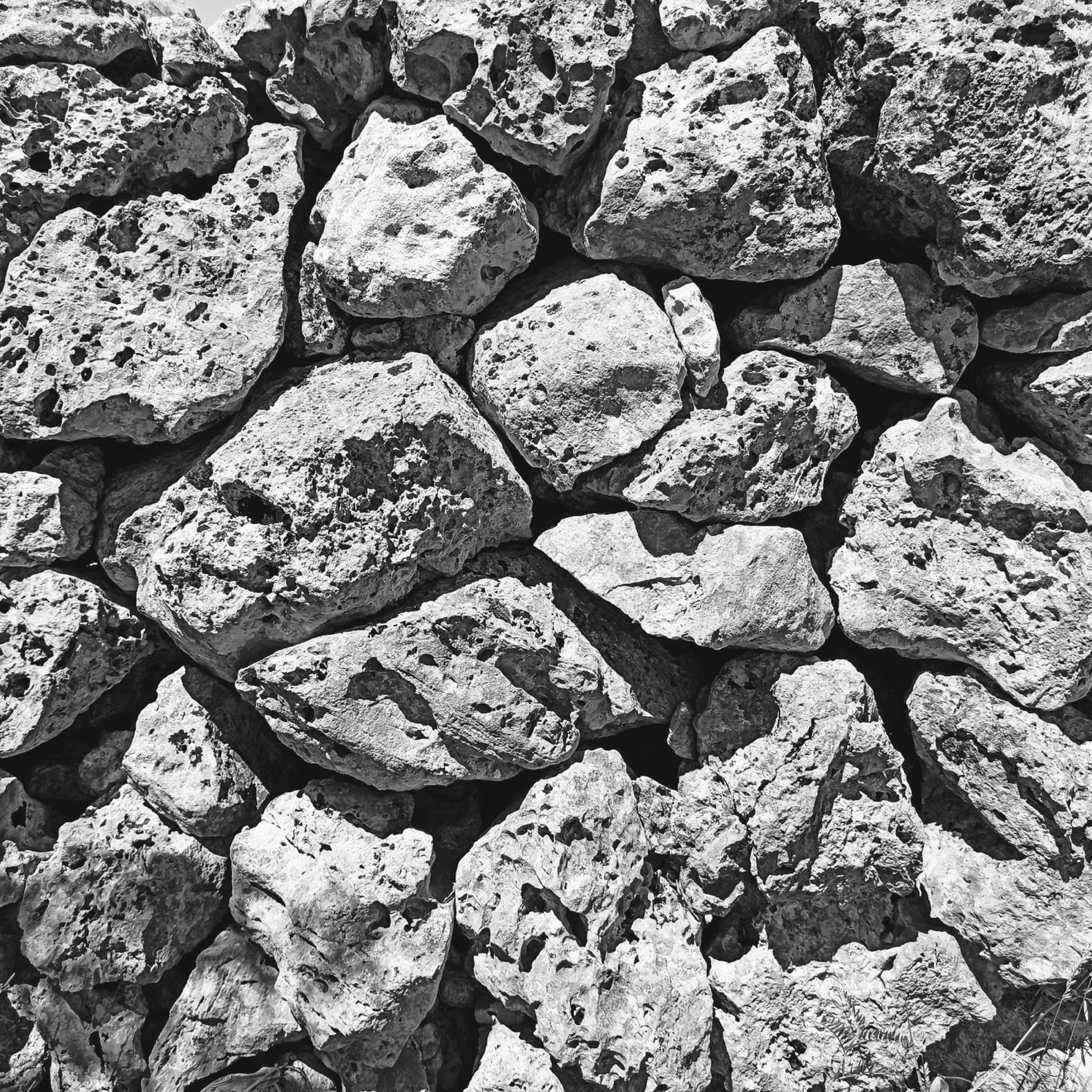
A hundred million years agoThere was a sea here. The limestone of every stone, from the walls to the trulli, is its seabed.
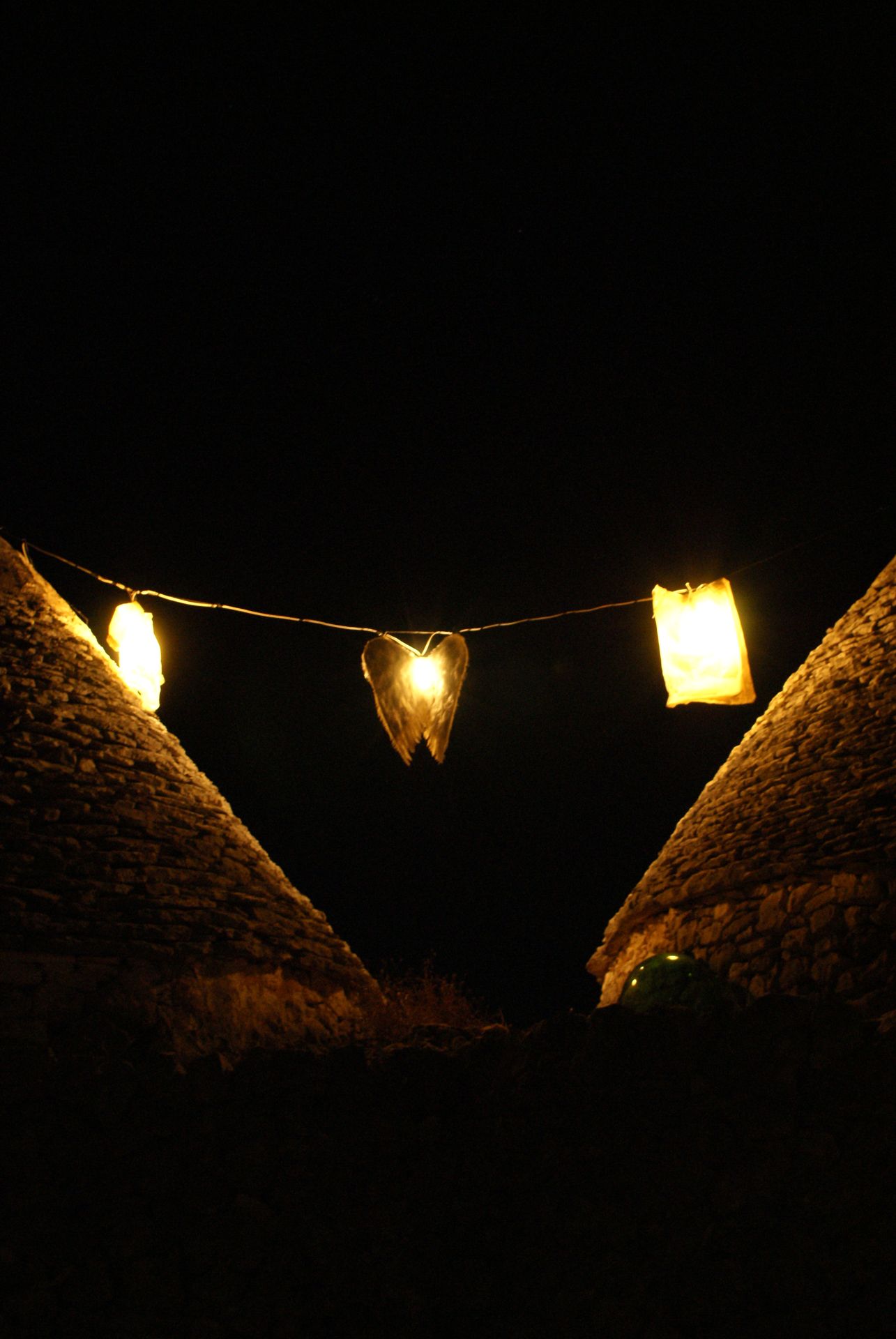
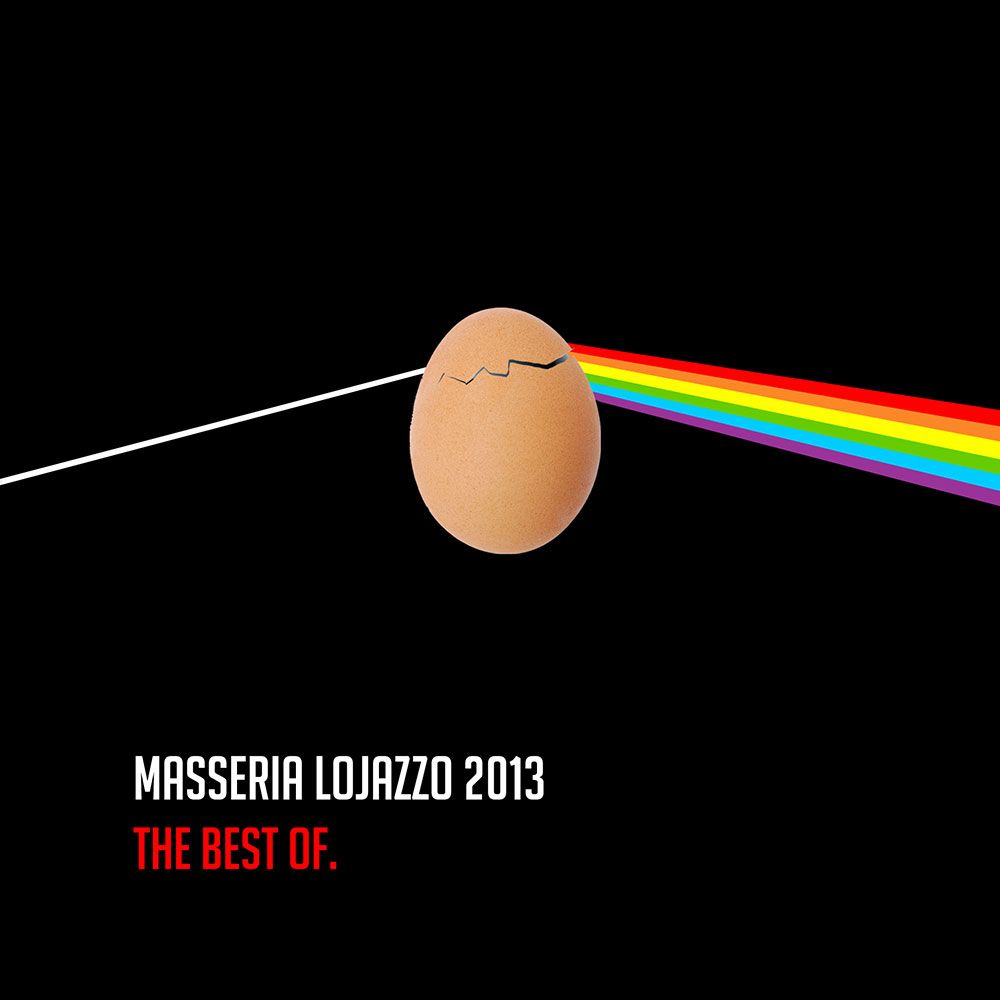
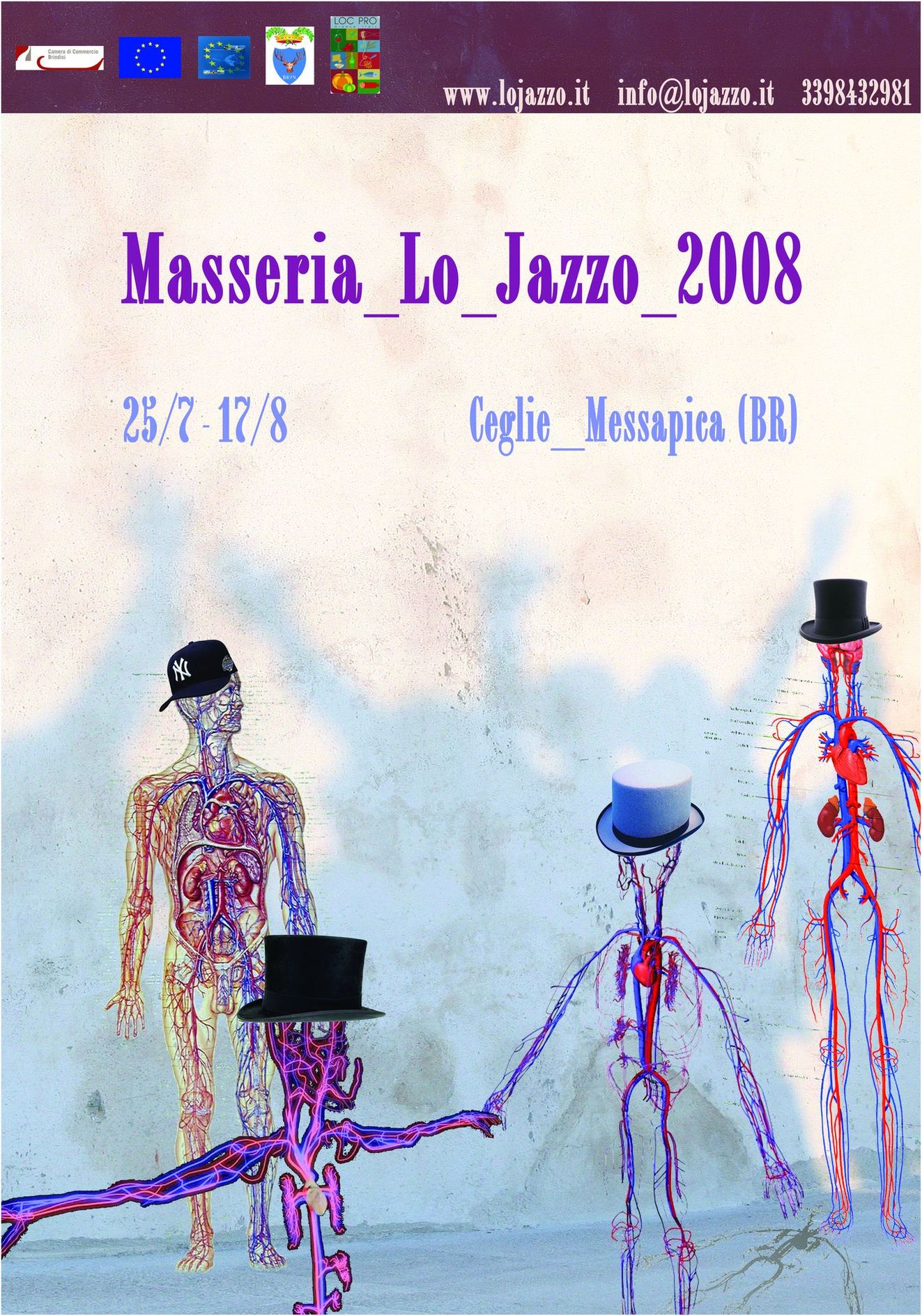
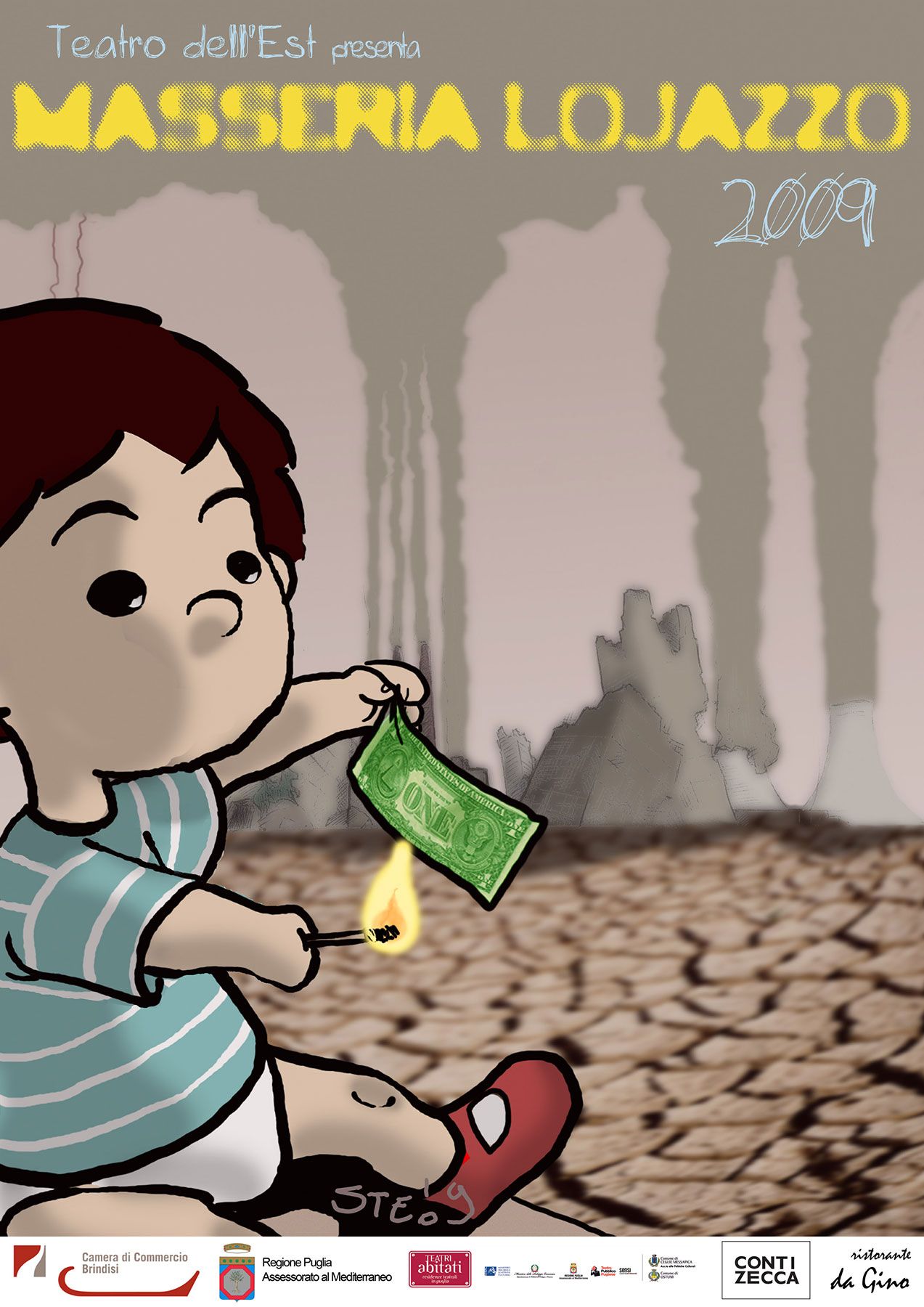
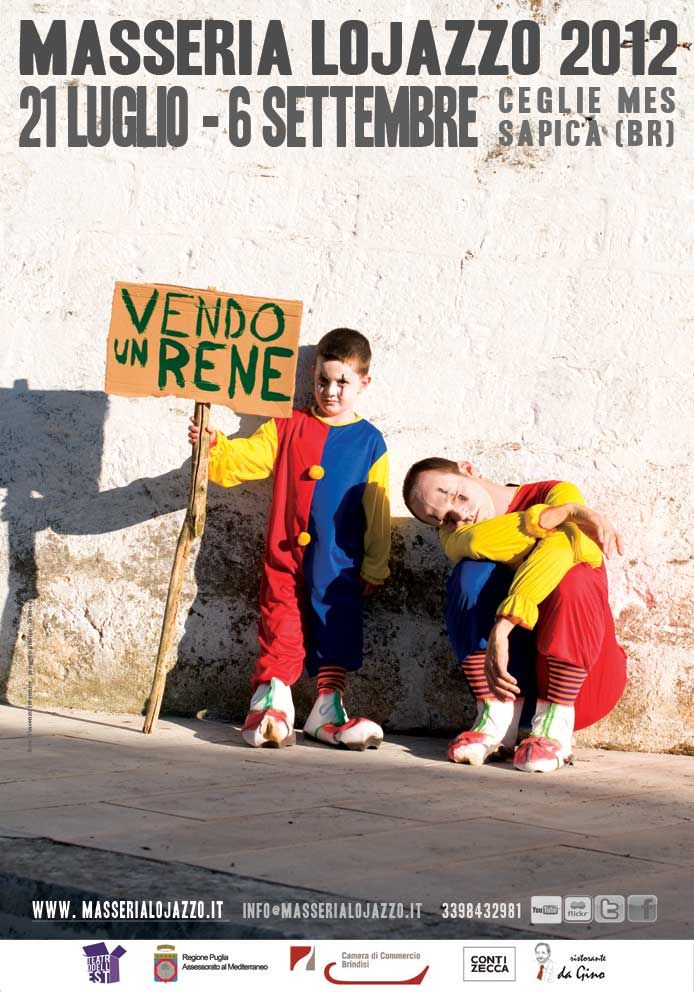
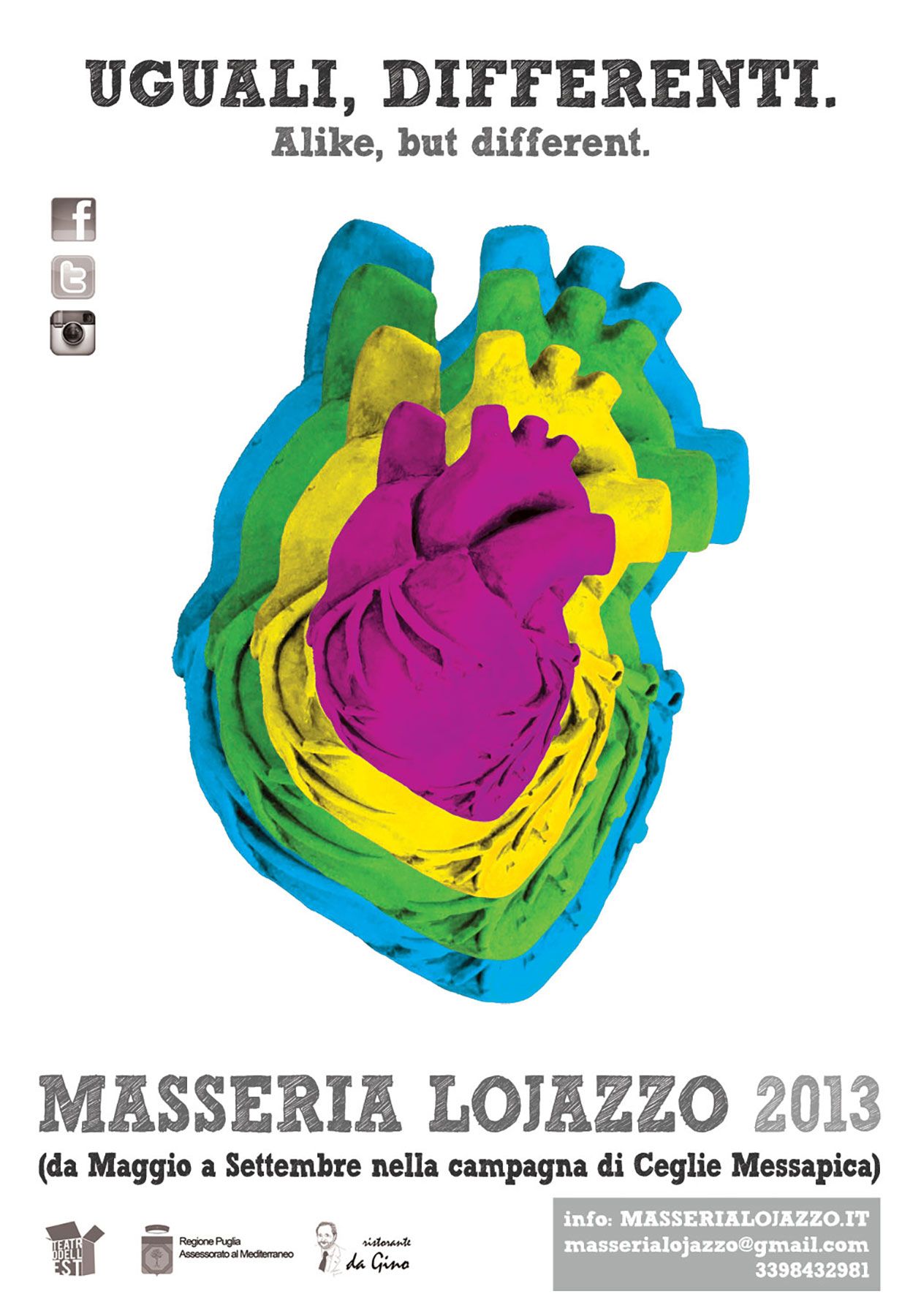
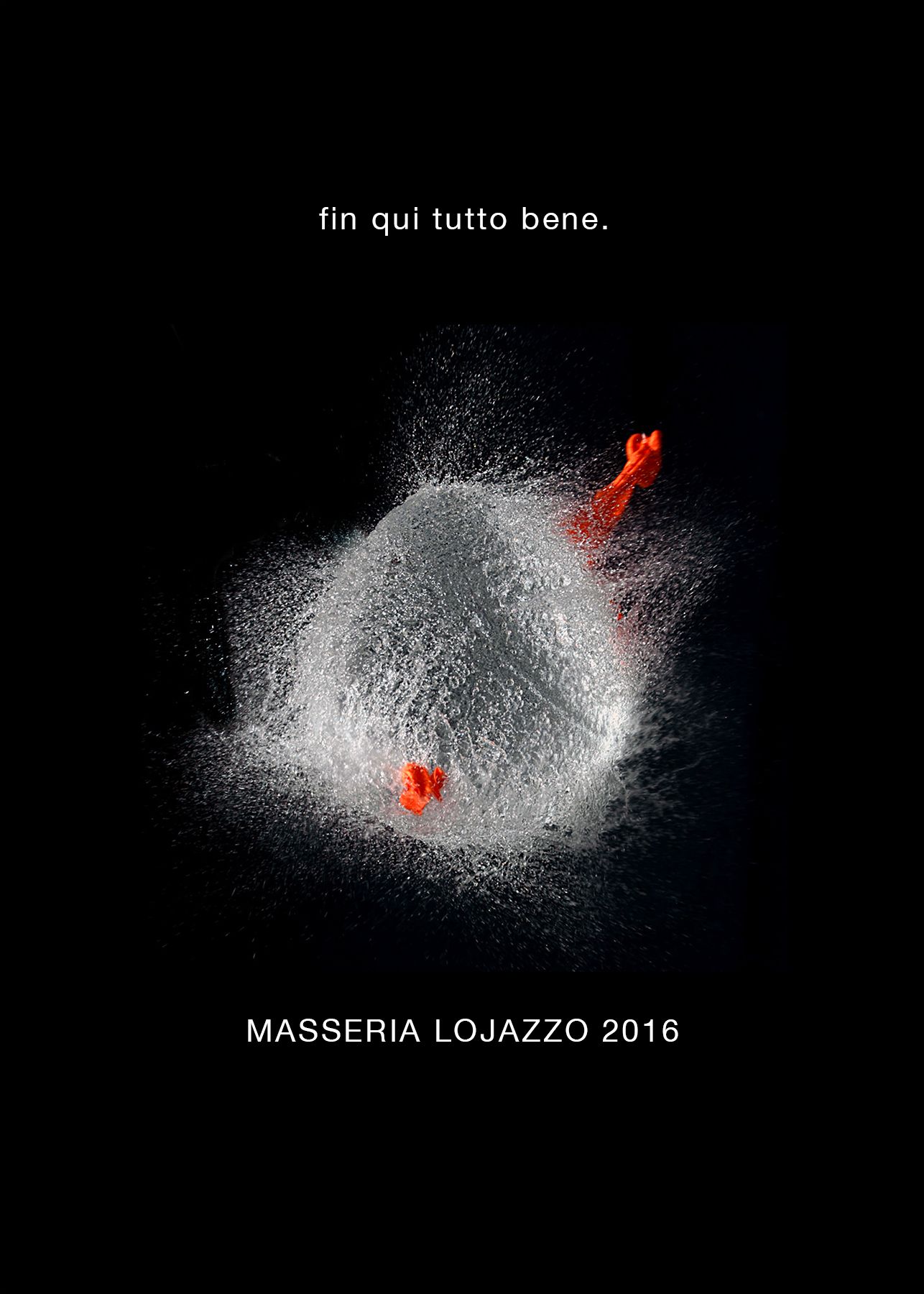
2013Festival nights: theatre, cinema, music and poetry, among the trulli and under the stars.
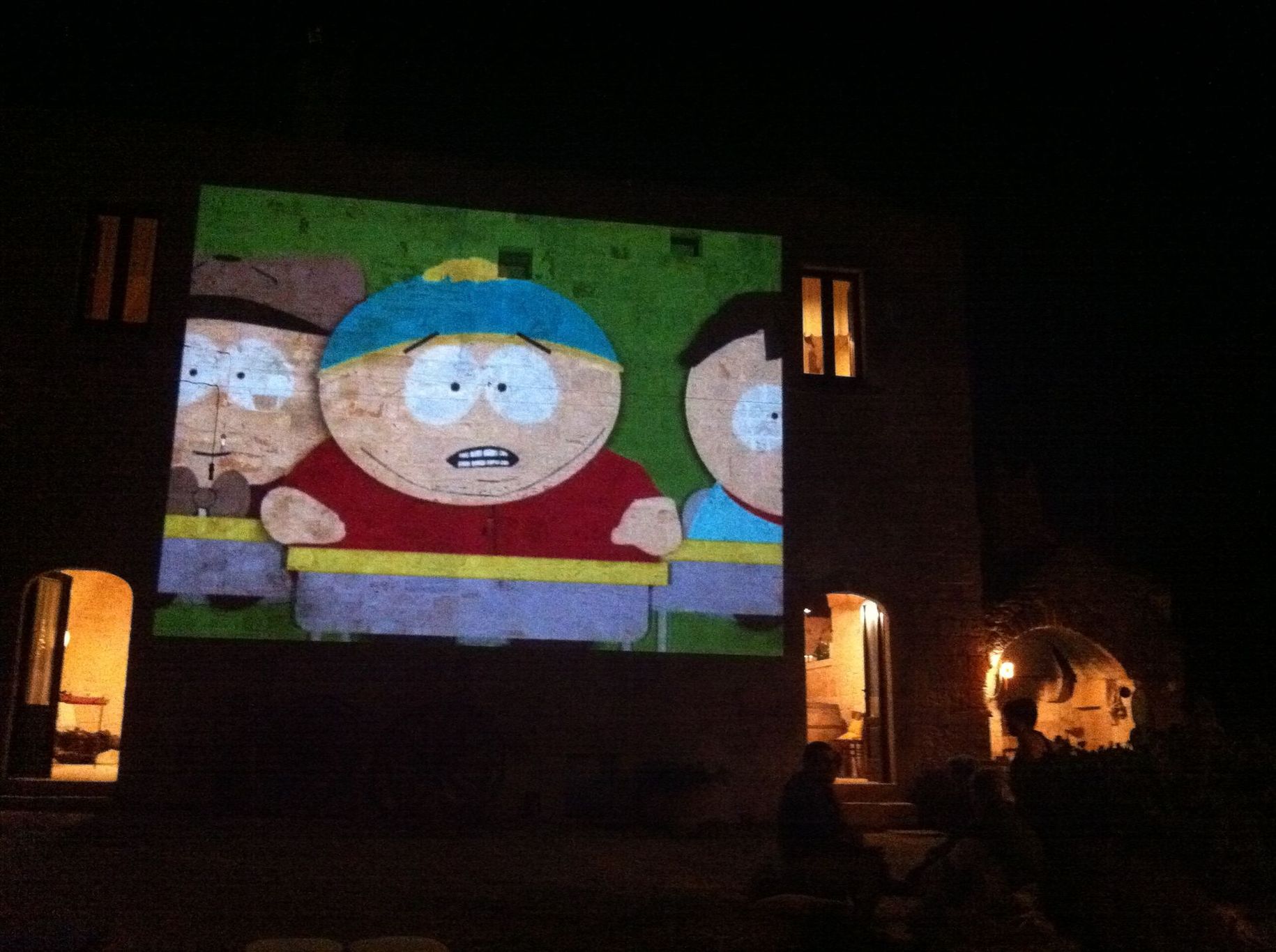
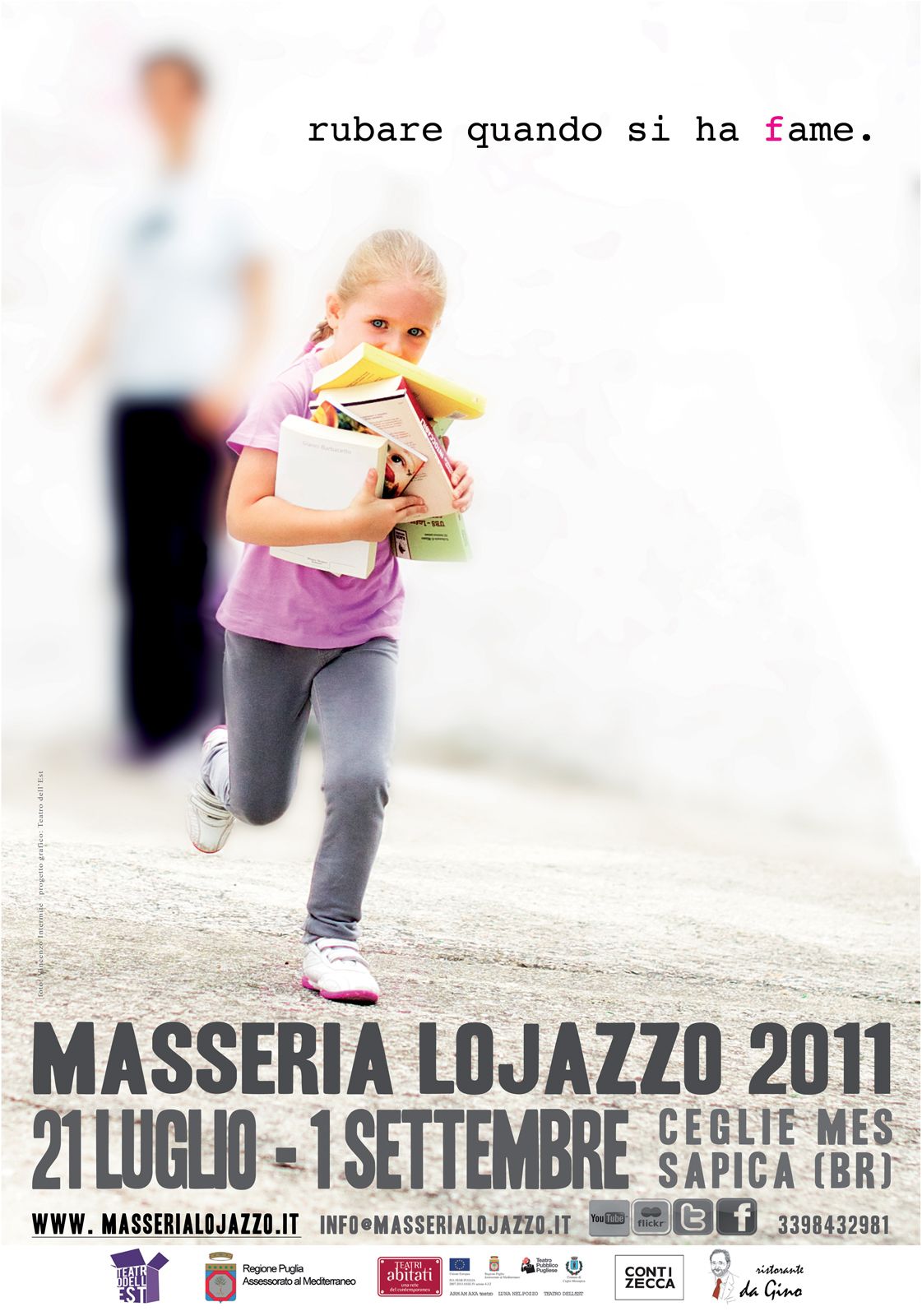
2011The masseria's façade becomes a screen. That night, South Park.
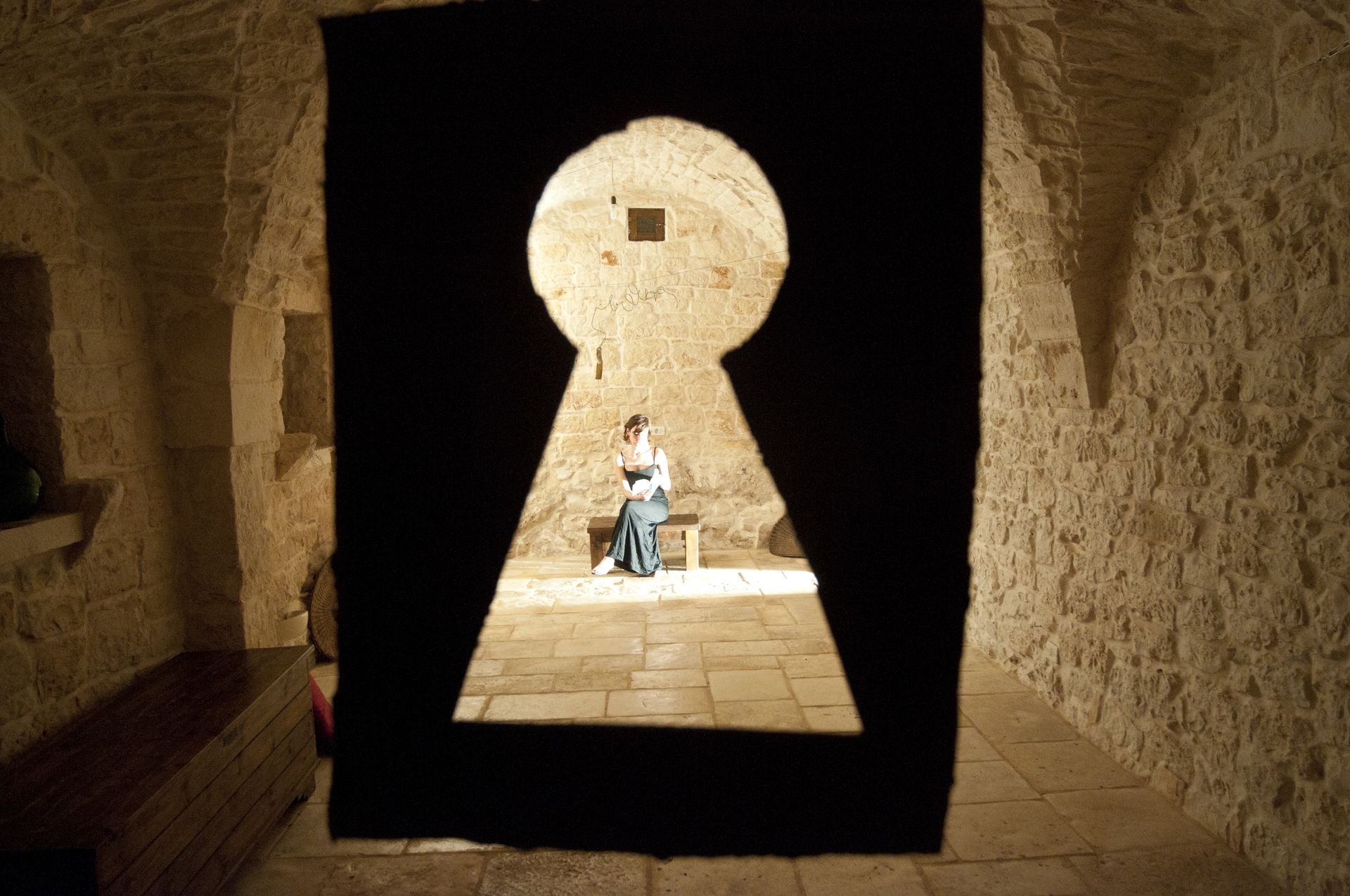
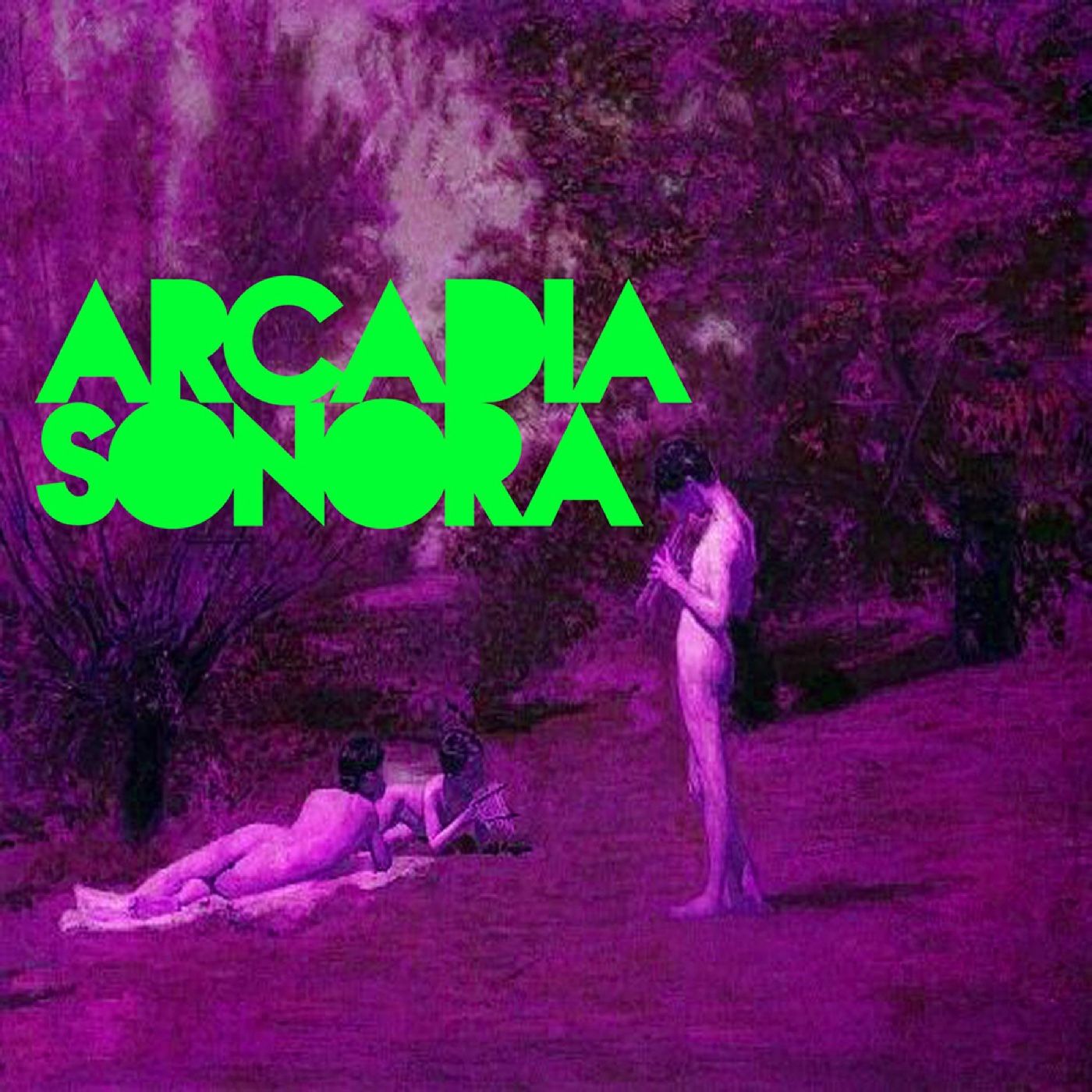
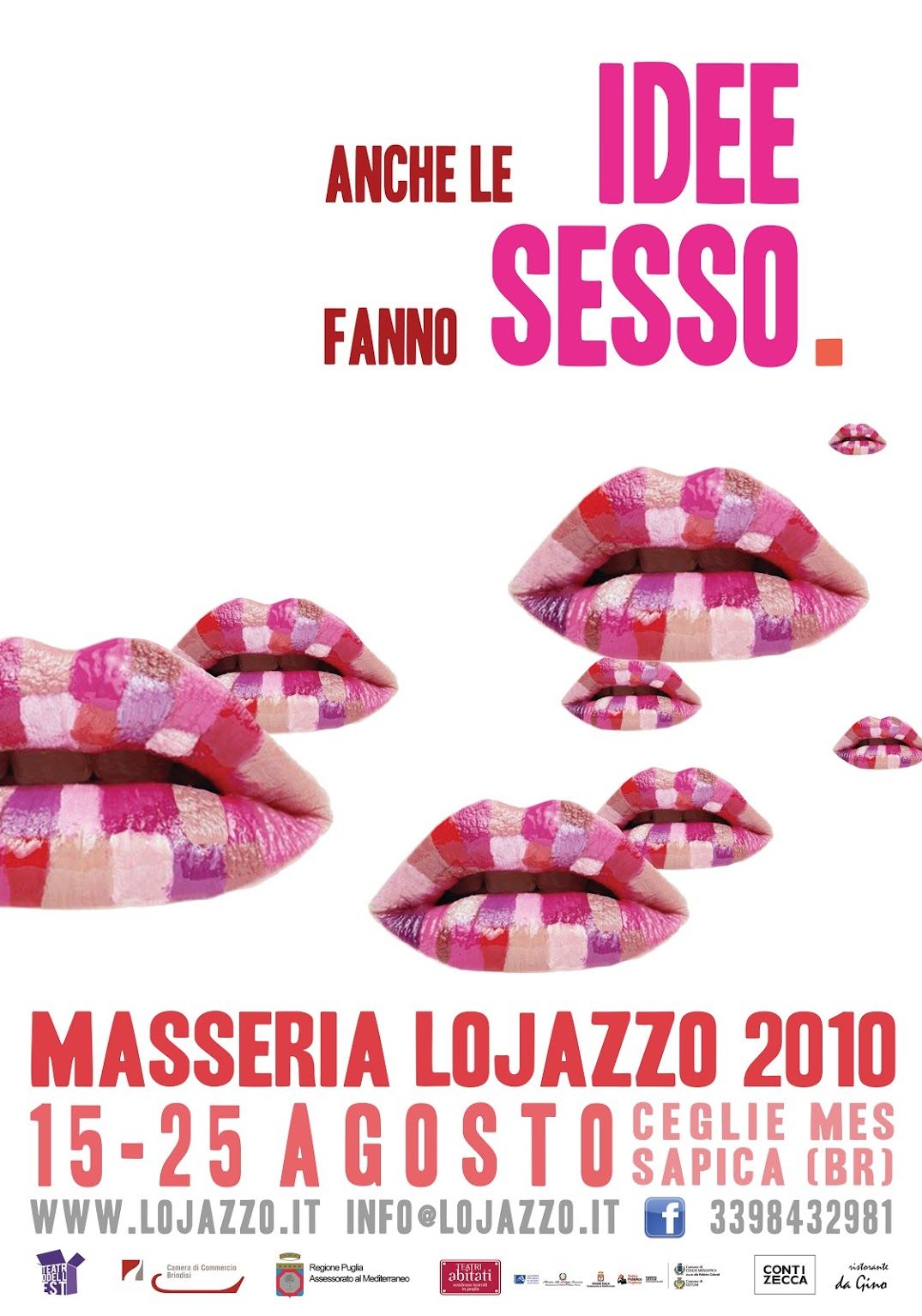
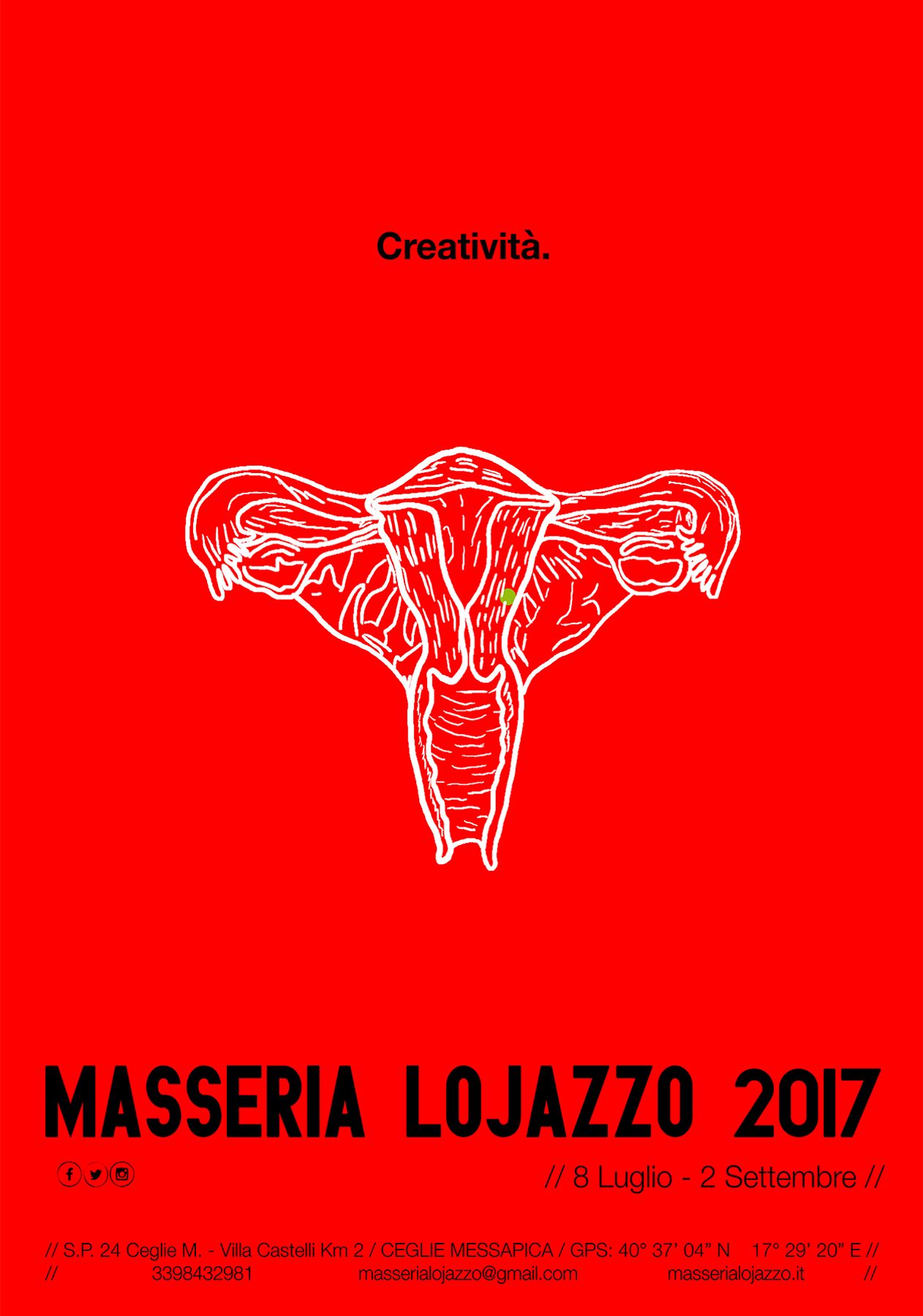
2013Lojazzo VM18: an erotic evening, adults only, to be watched through the keyhole.
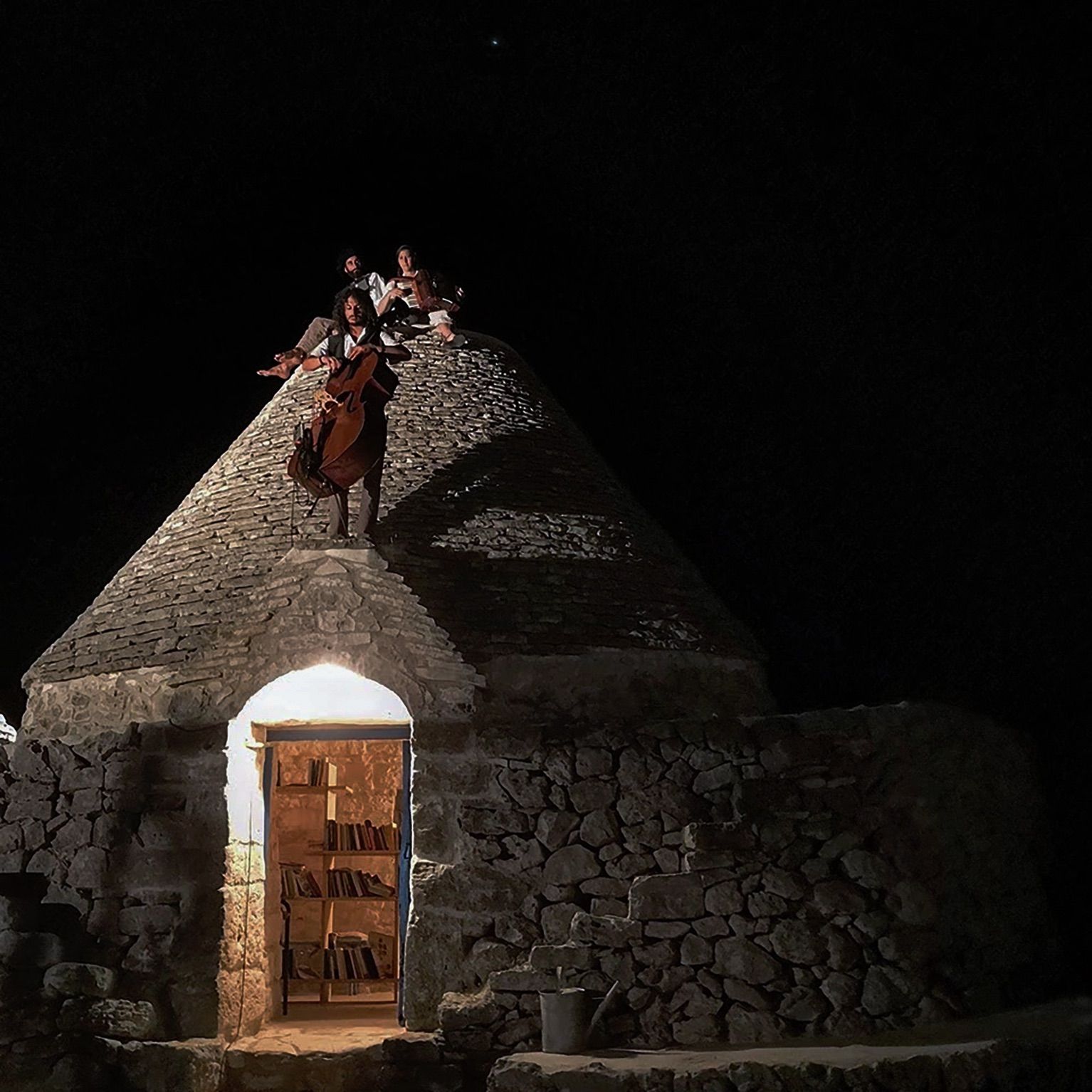
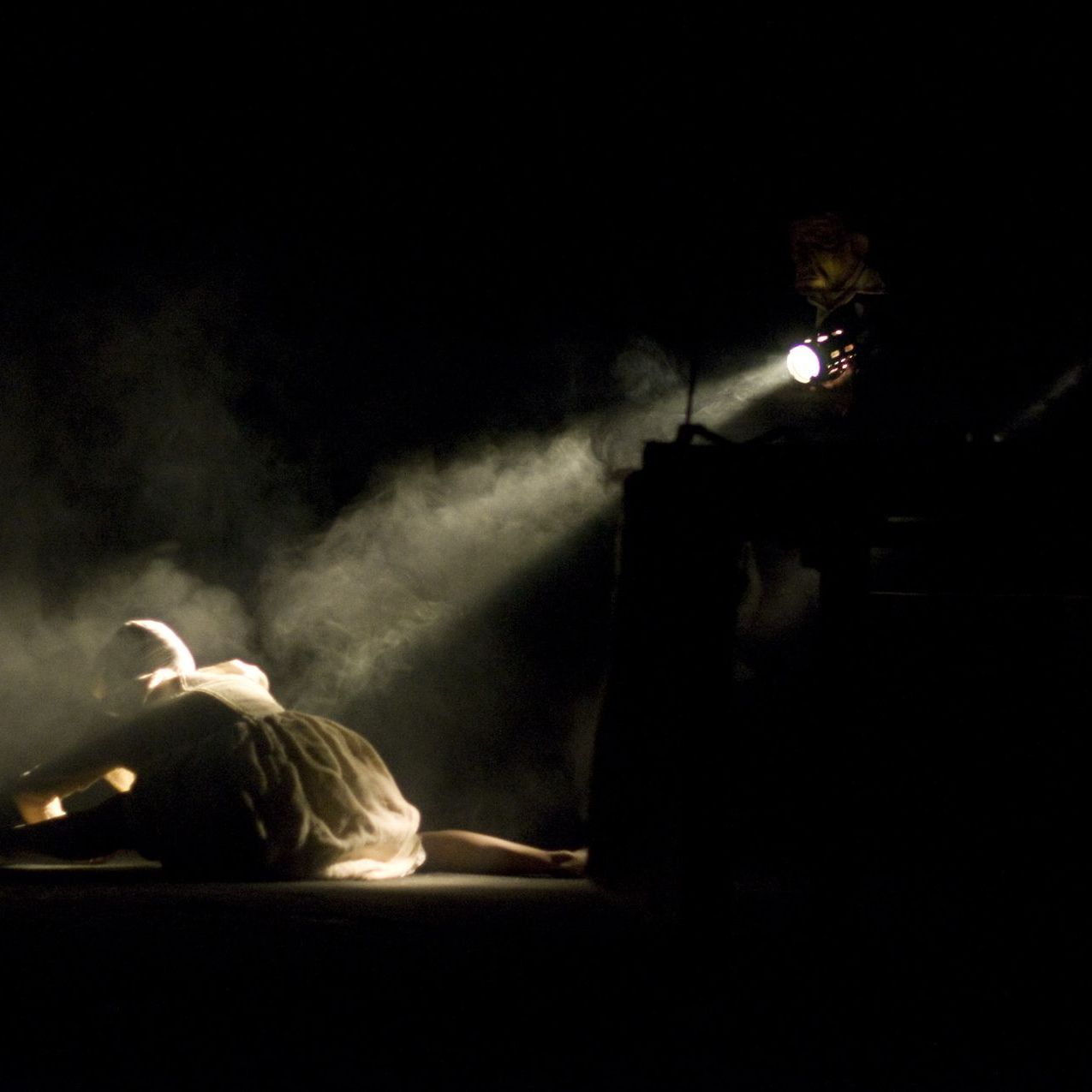
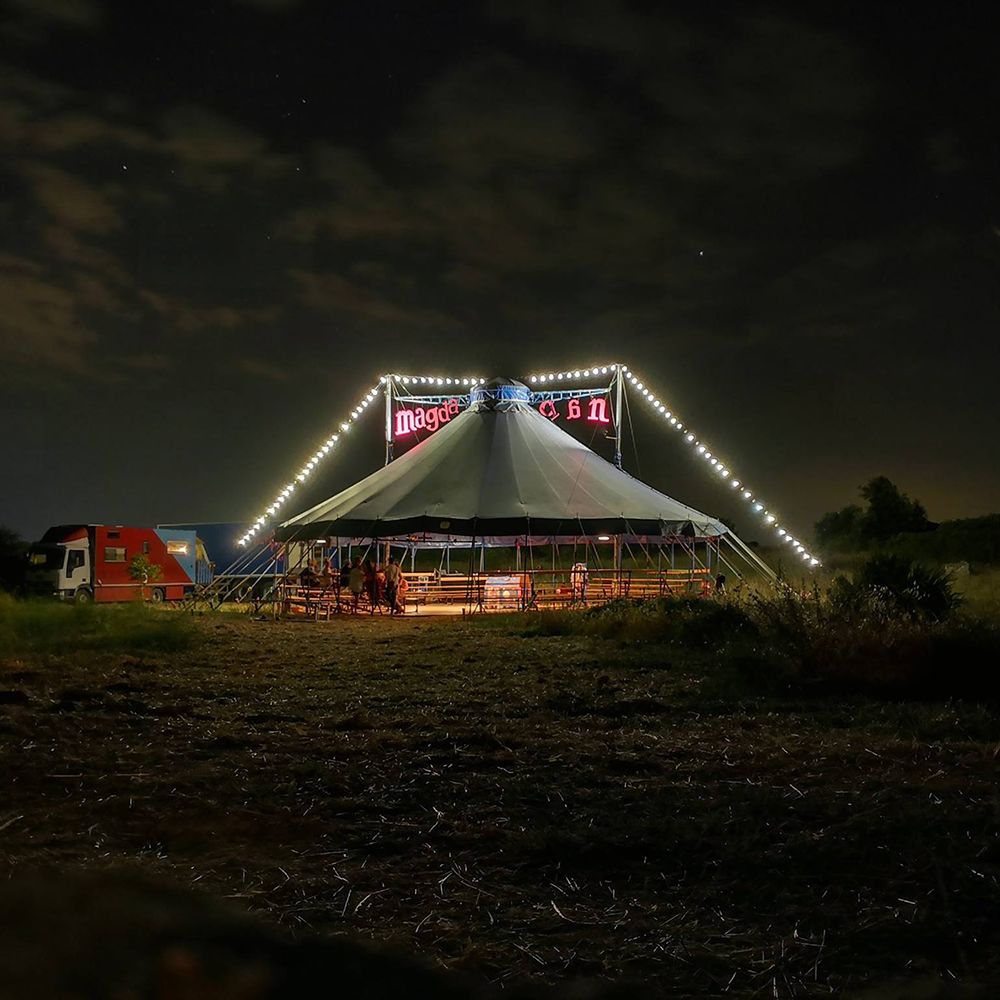
2018Circo MagdaClan plays on the roofs of the trulli. It is the last festival summer.
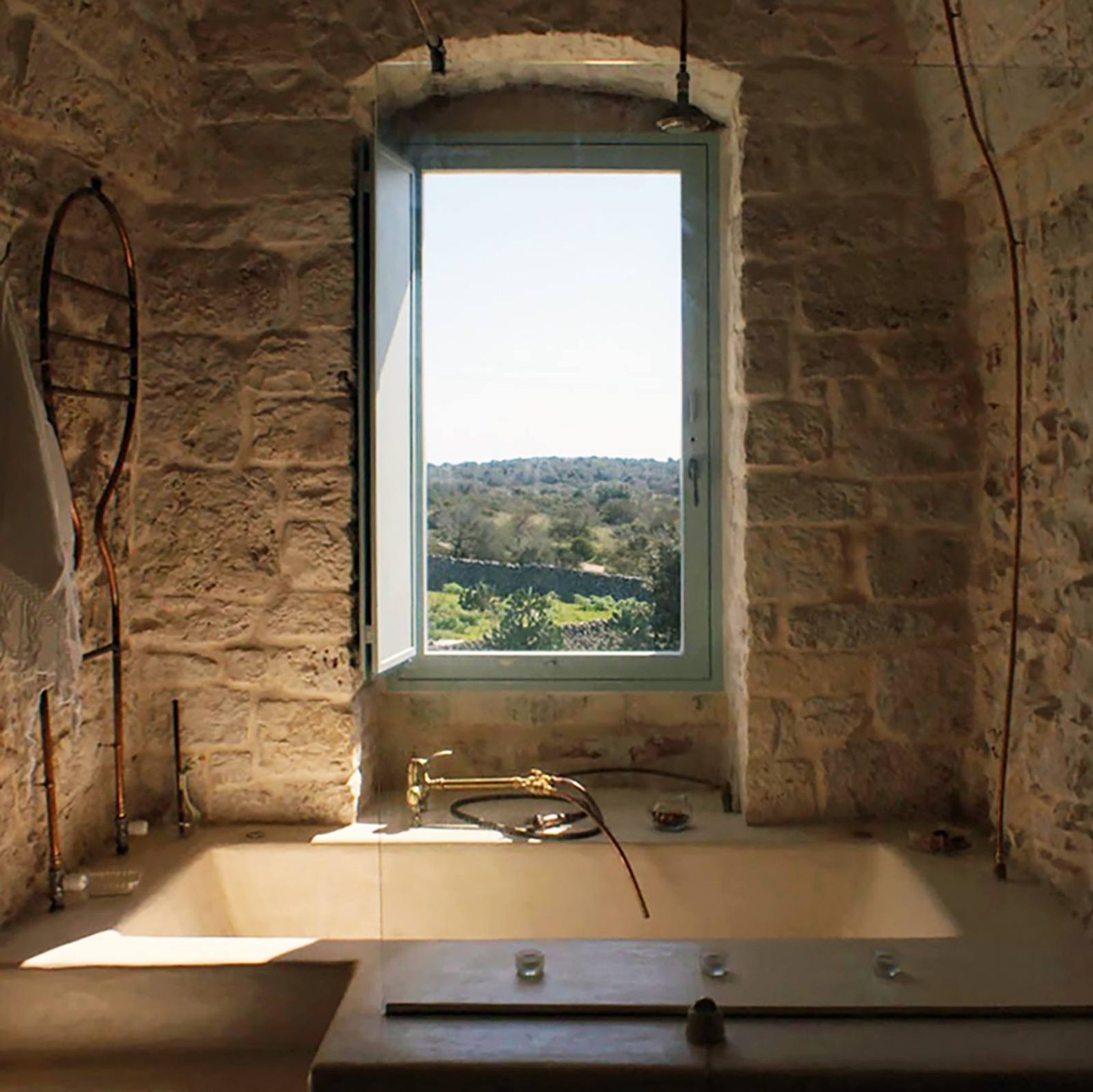
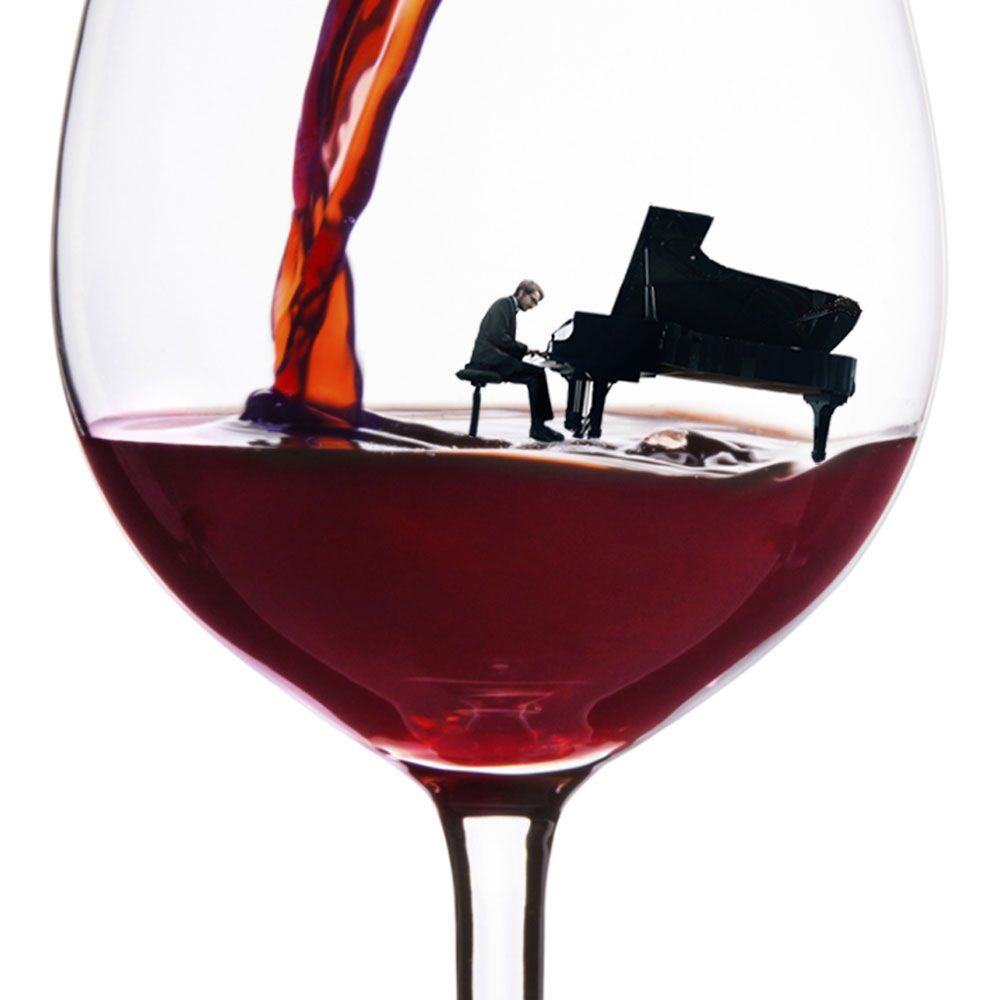
2021The rooms, designed and built here. From the shape of the courtyard, theHeartAI is born.
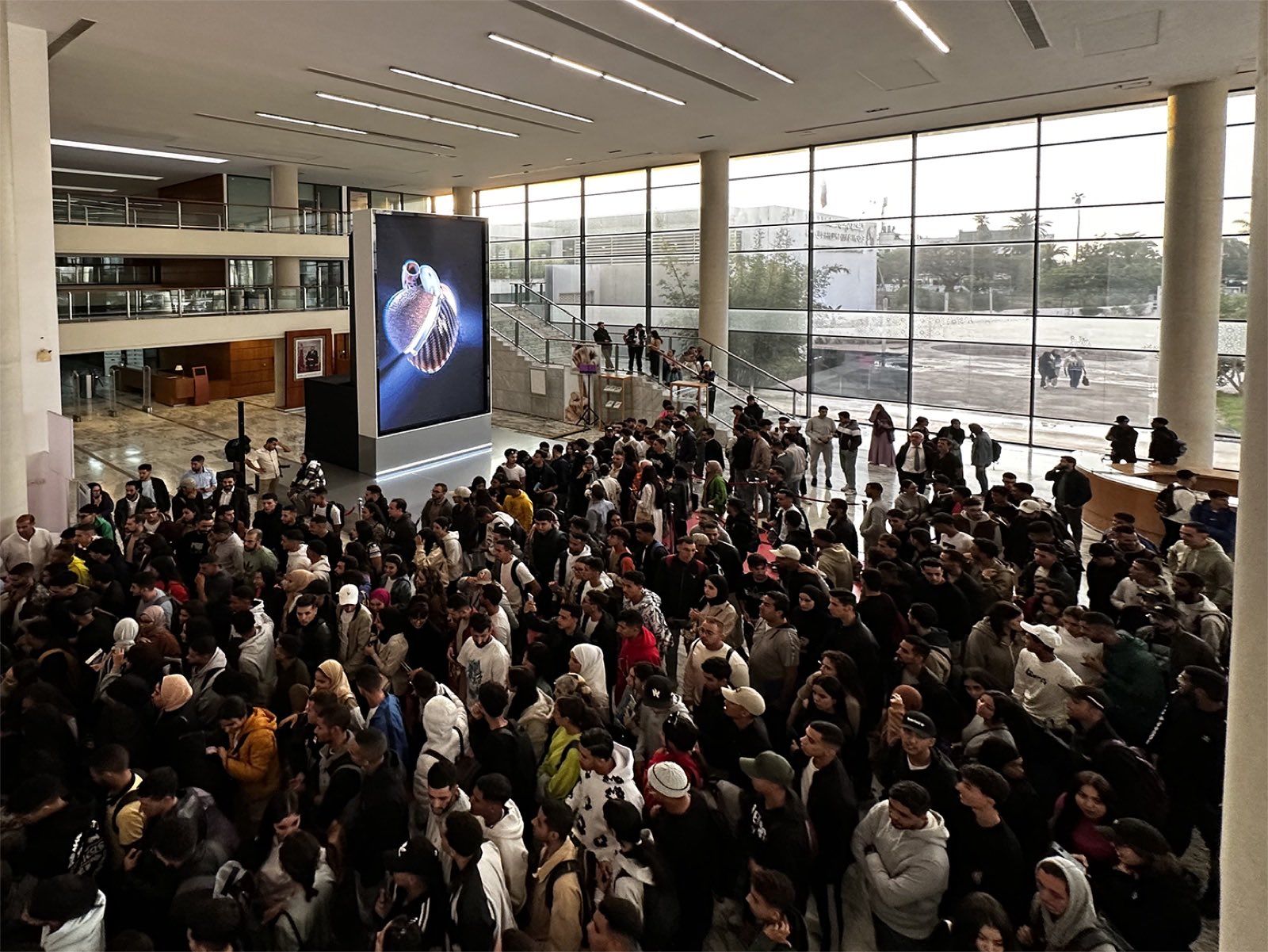
2024theHeartAI beats at the Royal Library of Rabat and at Dutch Design Week in Eindhoven.
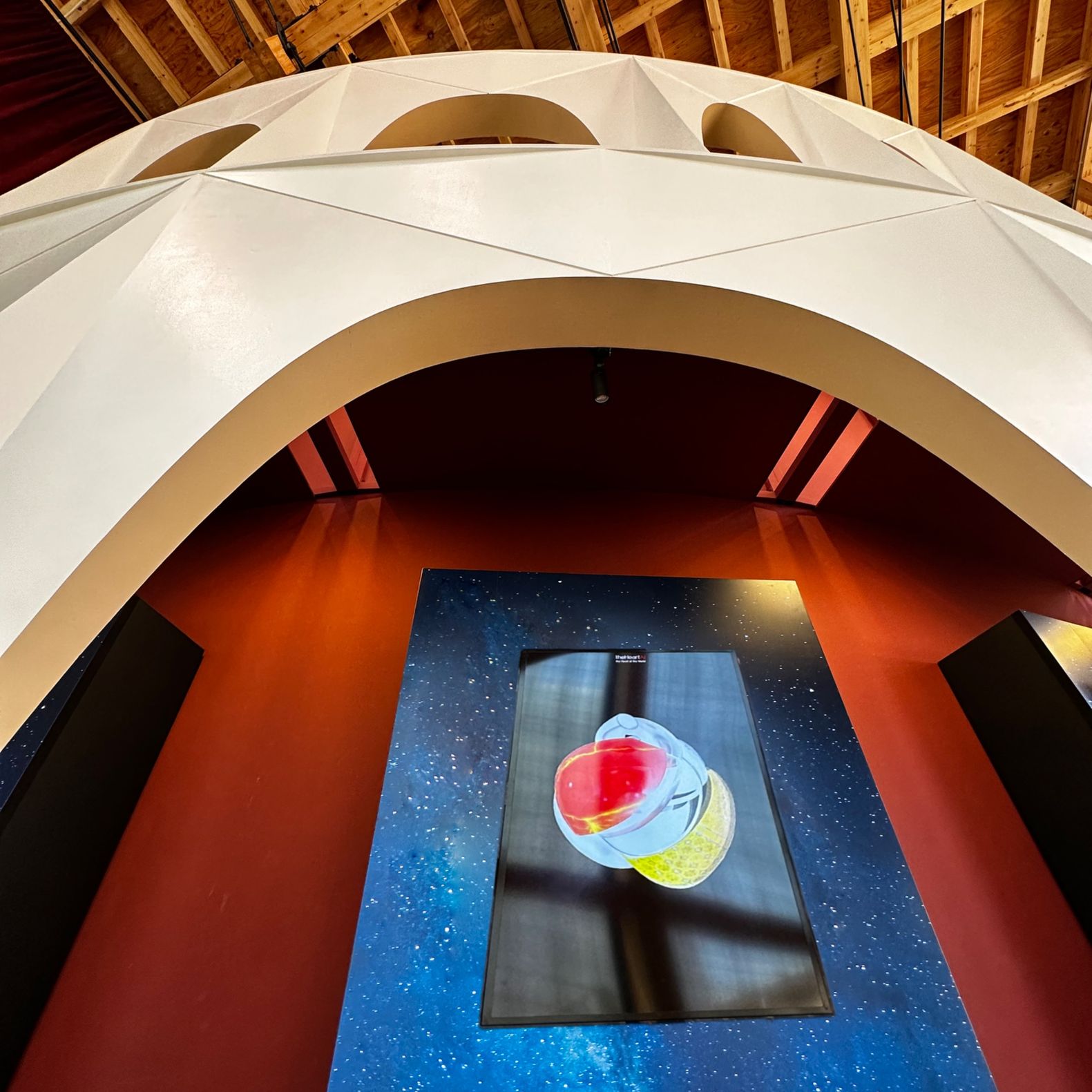
2025theHeartAI at the Italy Pavilion of Expo Osaka.
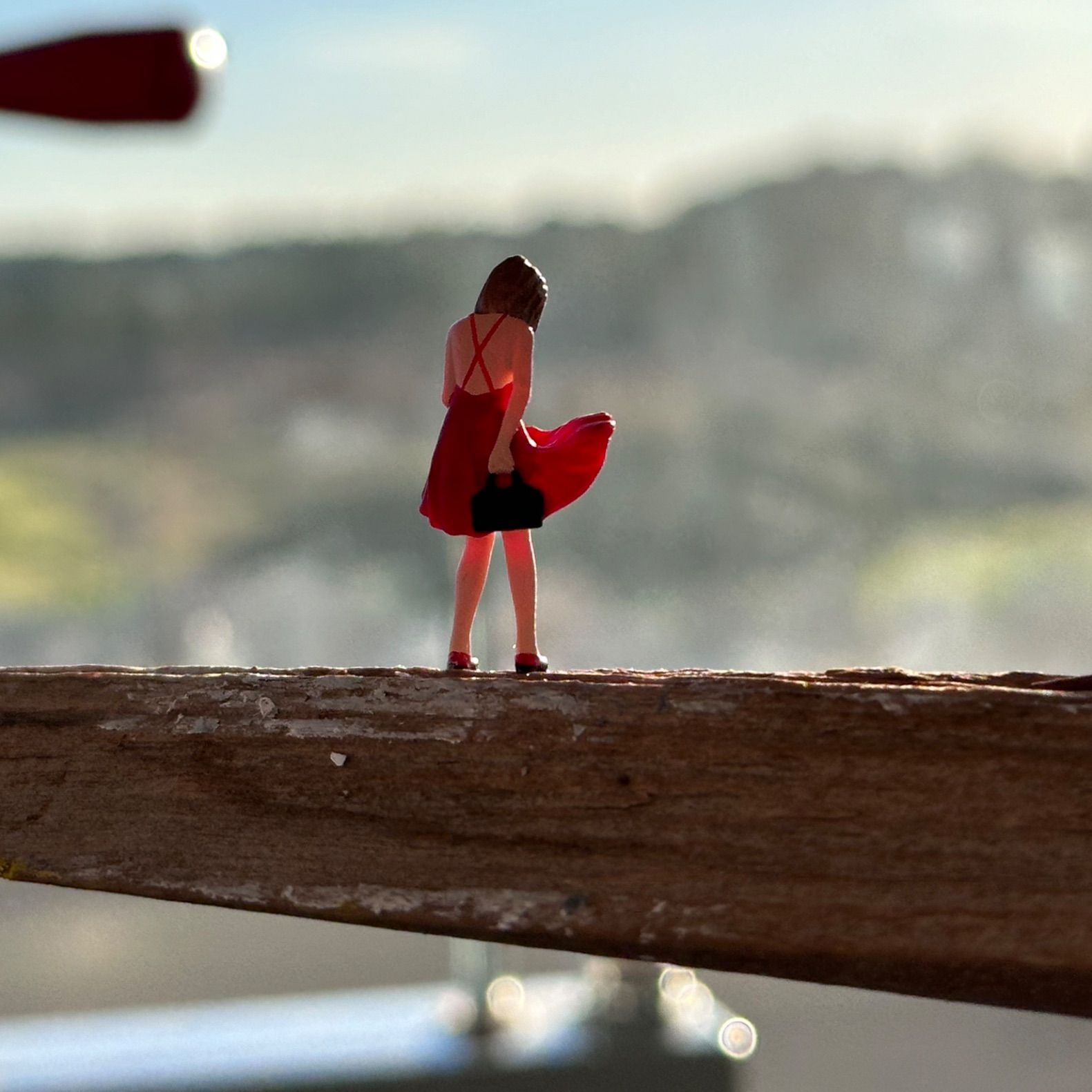
2026CHORA, the masseria's art gallery, and Fibonacci Books, its publishing house.
Looking back · History
Looking ahead · Art
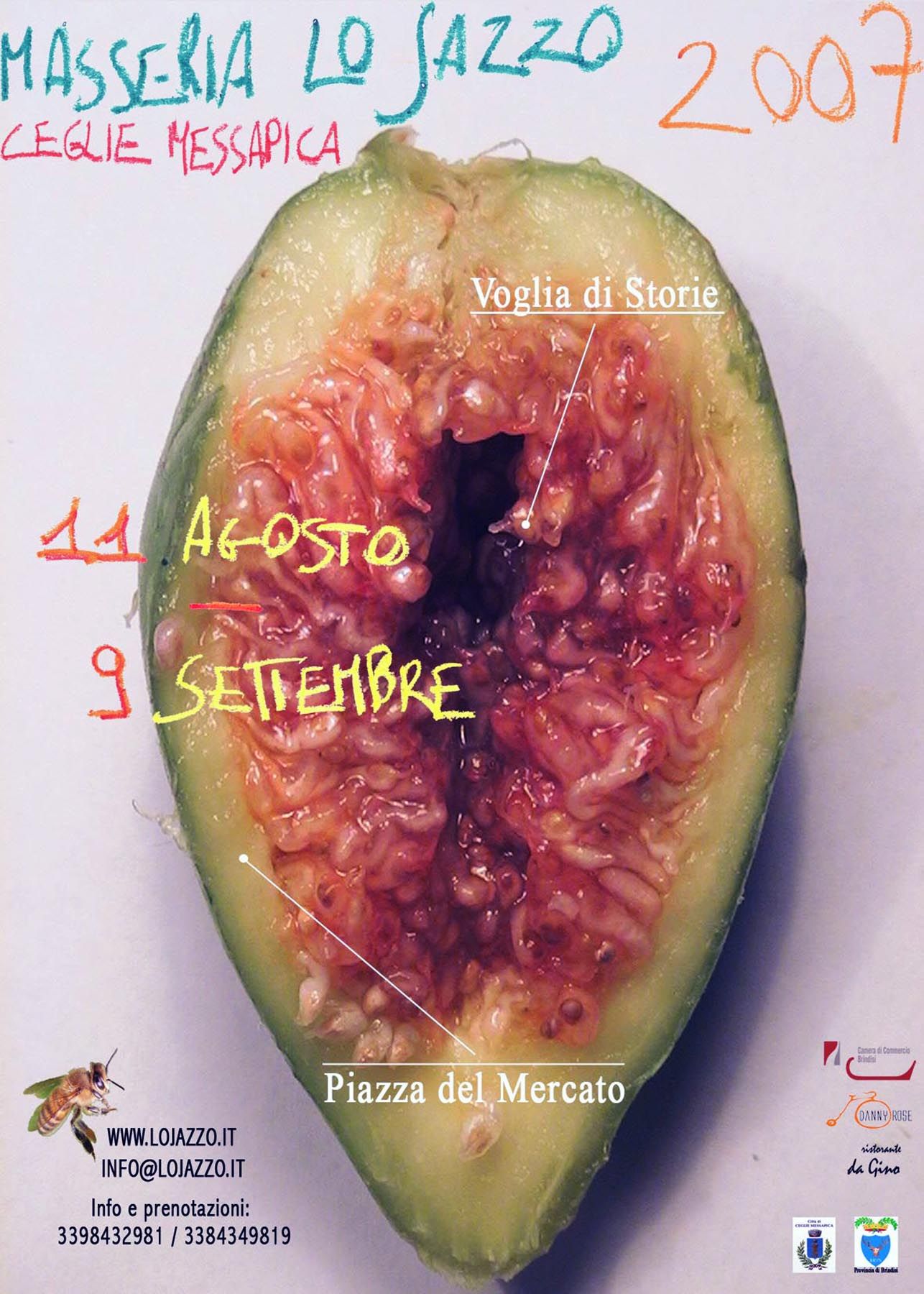
![“[Non-]artificial intelligence” · 2018](img/storia/locandine/2018.jpg)