1
Arrival
A walk through the masseria to choose your object. In the evening, by the fire, everyone tells in three sentences the story they want to write.
2
Who wants what
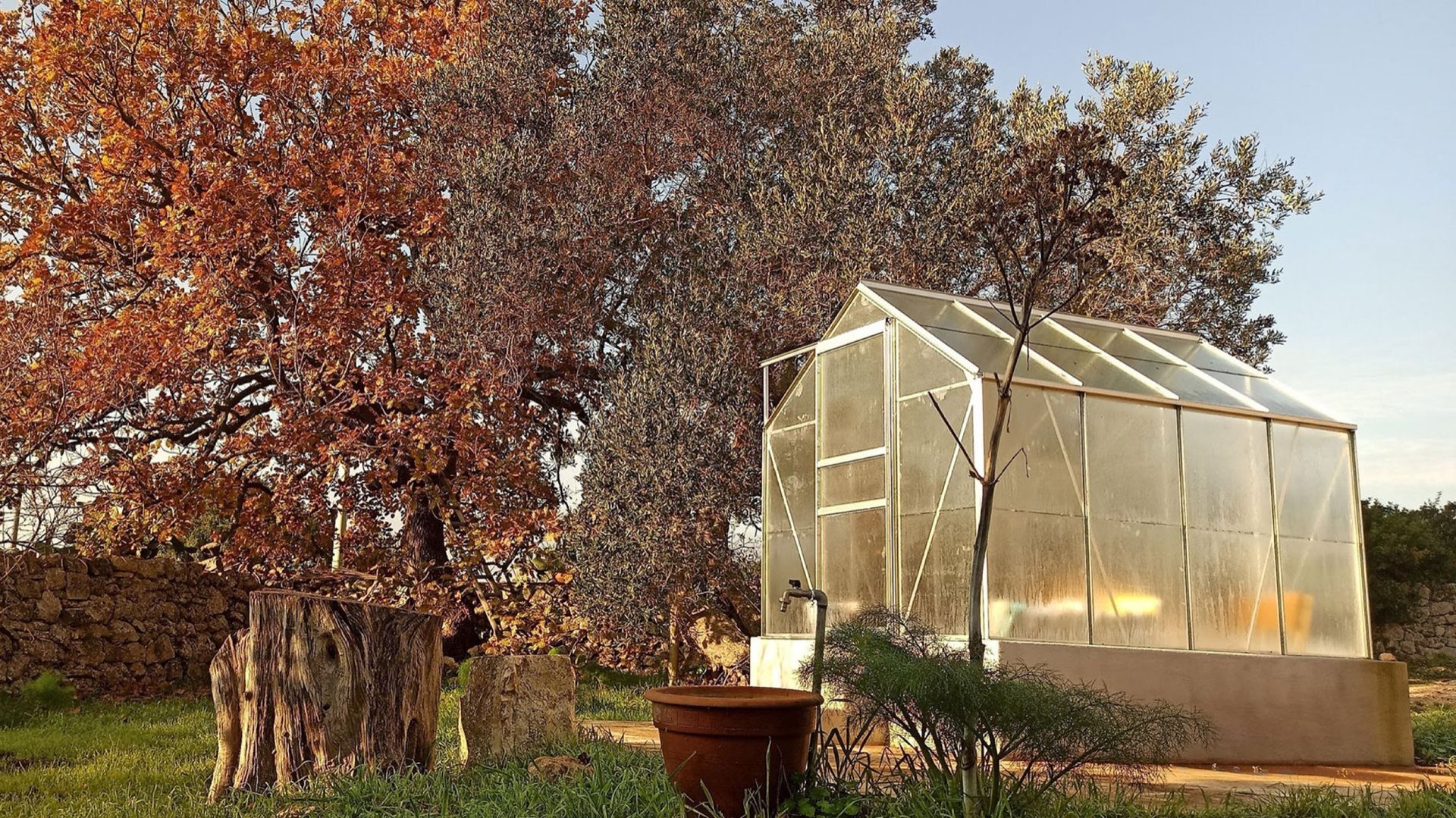
Morning lesson: a character is born of a desire and what stands in its way. In the afternoon you write alone, wherever you like — in the greenhouse, the orchard, your room.
3
Structure
The incident that sets the story going, the turning points, an ending that is inevitable without being predictable. The outline gets built.
4
Truce
No lesson. Ceglie on foot, an hour; or the sea. You write only if you want to.
5
An author who doesn't exist
The house exercise: you invent a writer, give them a life, a body of work, an end — and they sign a page of your story. That is how the authors of Fibonacci Books were born.
6
The scene
What the characters don't say. You rewrite the most important scene; in the evening, it is read aloud.
7
Departure
You leave with a complete outline, the first pages revised, and a method that works at home too.