1
Arrival
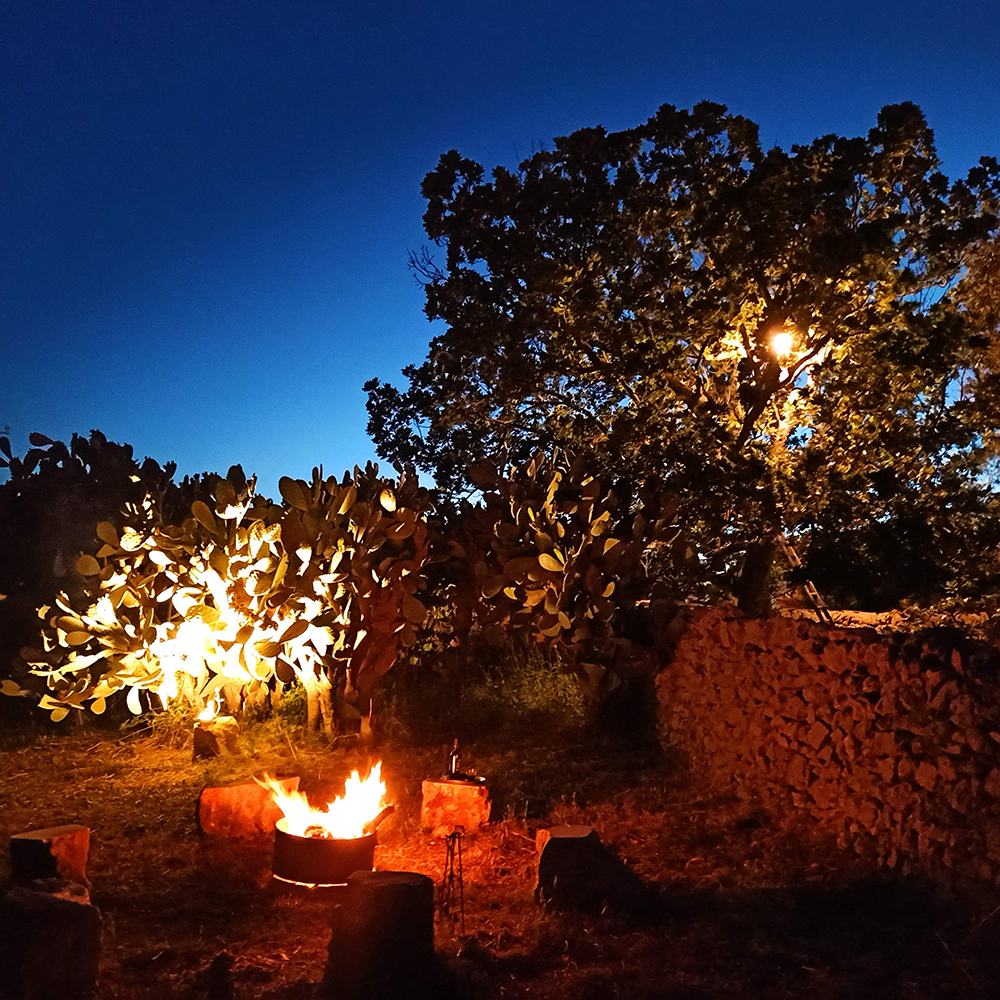
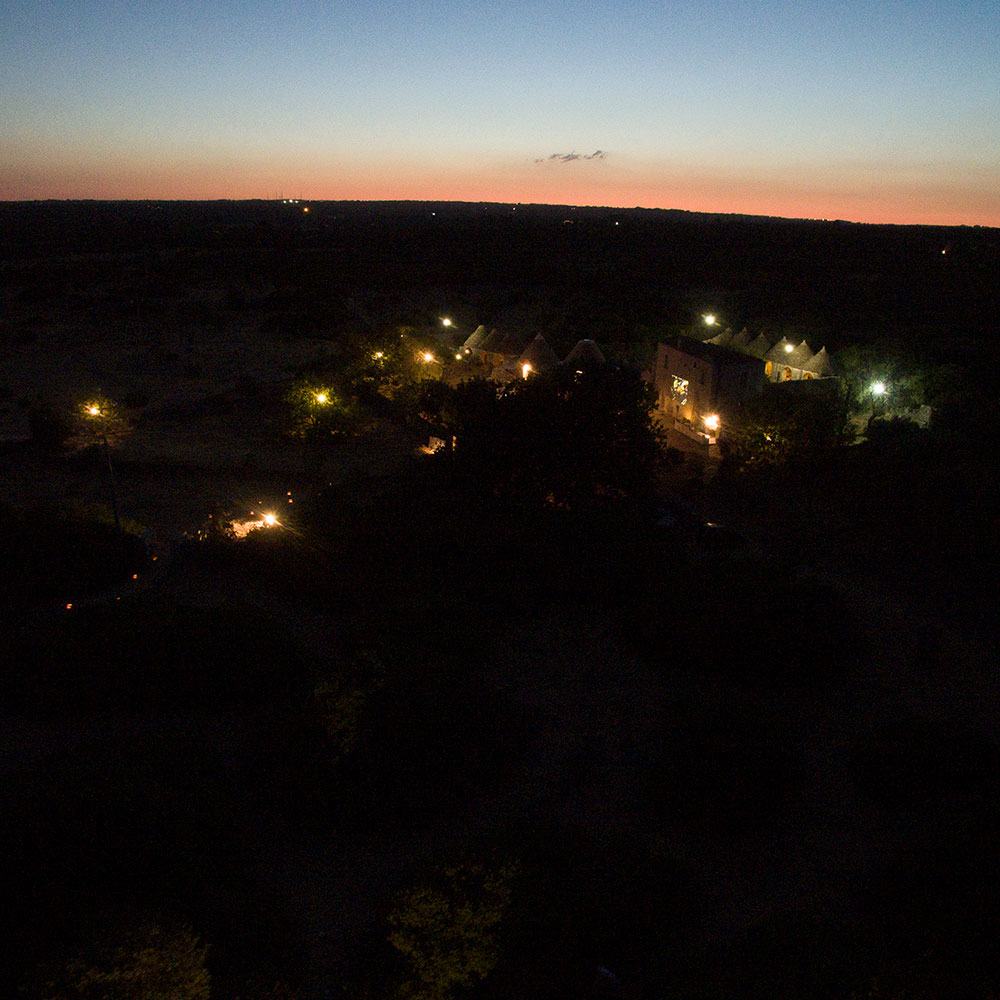
In the afternoon, a walk around the land: the walls, the courtyard, the specchie — which are not to be touched. Each person picks a spot in the scrub to return to every day. In the evening, the first fire.
2
Stone, on the ground
With a local dry-stone mason: how to read a stone, how to choose it, how to lay it so it holds by itself. A stretch of wall begins.
3
The wall
All day on the site, stone after stone. At sunset you measure how far it has risen.
4
Truce
Nothing scheduled. Ceglie on foot, an hour; the sea, half an hour; or sleeping late.
5
Stone, vertical
In a ravine, with a guide: an easy crag, meant for people who have never climbed. You read the rock the way you read the wall.
6
Silence
A morning without words, each in their spot in the scrub. At sunset, the sky; in the evening, by the fire, everyone tells a story, and the people who live here tell the story of the place.
7
Departure
Breakfast, one last look at the finished wall, and away by three.